Introduction to Balluff Photoelectric Sensing Technology
As a senior electrical engineer in the automation industry, I have worked extensively with various sensor technologies. Among them, Balluff photoelectric sensors from Germany stand out for their exceptional reliability and precision. These sensors are designed to detect objects without physical contact, using light beams to measure distance, presence, or absence. Balluff’s engineering leverages advanced optical principles, making them ideal for harsh manufacturing environments. Their robust construction ensures long service life, even in dusty, wet, or high-vibration settings. For engineers seeking consistent performance, Balluff sensors offer a trusted solution in conveyors, packaging lines, and robotic workcells.
Key Features and Technical Specifications
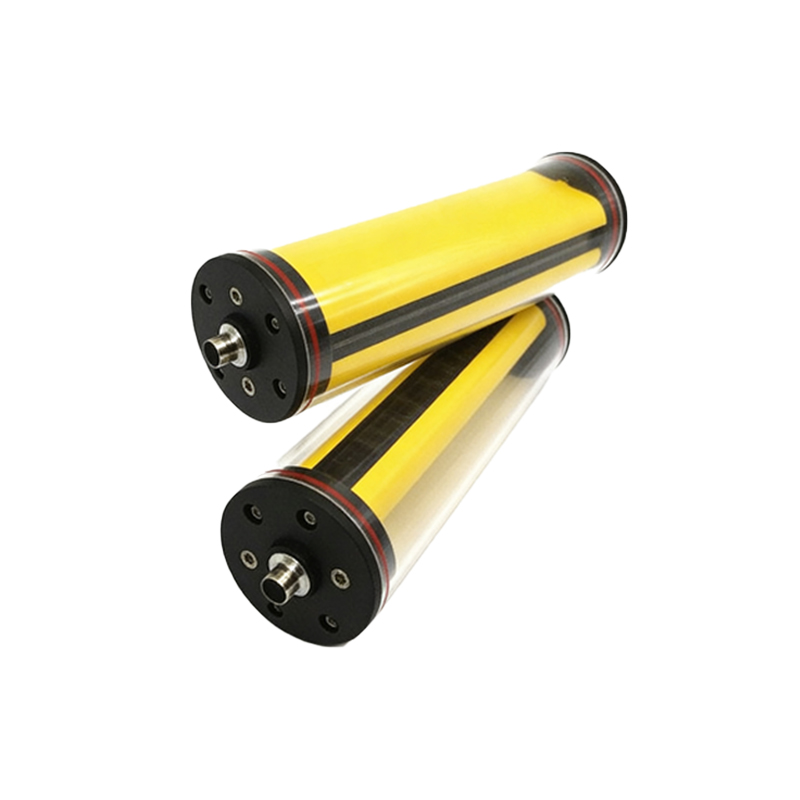
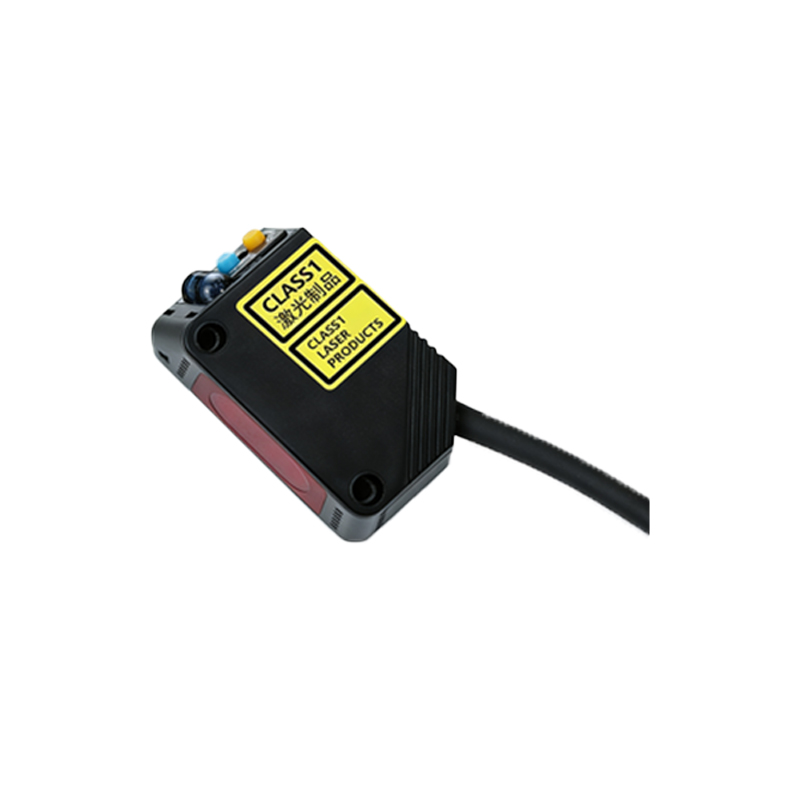
Balluff photoelectric sensors come in several variants, including through-beam, retro-reflective, and diffuse models. Through-beam sensors provide the longest detection range, often exceeding 30 meters, while retro-reflective models offer reliable detection up to 10 meters with a reflector. Diffuse sensors are perfect for short-range applications, typically up to 1 meter. All models feature IP67 or IP69K ratings, ensuring resistance to water and dust ingress. Advanced versions include IO-Link communication for real-time data exchange, enabling predictive maintenance and process optimization. The sensors operate on a wide voltage range (10-30 VDC) and output signals via PNP/NPN or analog interfaces.
Application Scenarios in Modern Manufacturing
In my practice, Balluff sensors excel in material handling systems. For instance, in automated warehouses, they monitor pallet positions with high accuracy, preventing collisions. In the automotive industry, they detect metal parts on assembly lines, even in oily environments. Food and beverage plants benefit from their stainless steel housings and hygienic design, meeting FDA and EHEDG standards. Additionally, Balluff sensors integrate seamlessly with PLCs like Siemens and Allen-Bradley, simplifying system integration. Their response time (as fast as 0.5 ms) ensures high-speed counting and sorting tasks.
Installation and Calibration Best Practices
Proper installation is critical for optimal performance. First, align the sensor and receiver (or reflector) precisely, using Balluff’s alignment tool or a laser pointer. For diffuse sensors, ensure the background is non-reflective to avoid false signals. Calibration involves adjusting the sensitivity potentiometer or using the teach-in function via IO-Link. In dusty environments, regular cleaning of the lens with a soft, lint-free cloth is essential. I recommend testing the sensor with actual process objects to confirm detection thresholds. Balluff provides detailed manuals, but field experience suggests starting with a conservative setting and fine-tuning based on real-world conditions.
Comparison with Competing Technologies
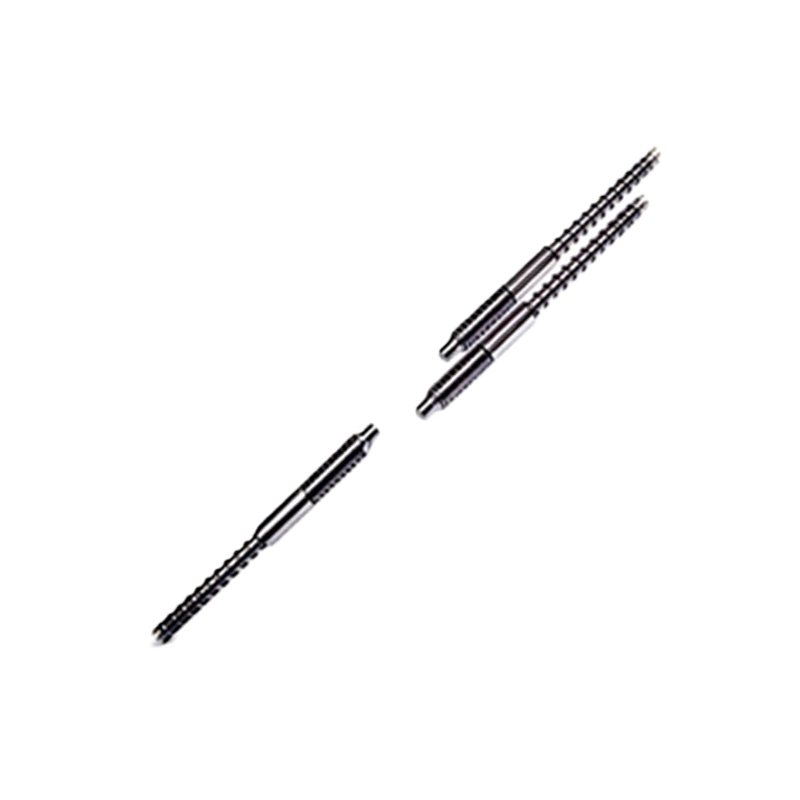
Compared to inductive or capacitive sensors, Balluff photoelectric sensors offer longer ranges and the ability to detect non-metallic objects like glass, plastic, or wood. They also outperform ultrasonic sensors in terms of precision, especially for transparent or shiny surfaces. However, they are susceptible to ambient light interference, so Balluff includes modulated light and filters to mitigate this. For extreme environments (e.g., high temperatures or corrosive chemicals), fiber optic adapters are available. Overall, Balluff’s German engineering provides a superior balance of cost, durability, and performance.
Maintenance and Troubleshooting Tips
Common issues include misalignment, dirty optics, or power supply fluctuations. To diagnose, use Balluff’s diagnostic LED indicators: green for power, yellow for output state, and red for error. For intermittent failures, check cable connections and ensure the sensor is within the rated temperature range (-25 to 60°C). When replacing, verify the model number and configuration—mismatched output types can damage the PLC input. I suggest keeping spare units on hand and performing routine checks every 6 months. Balluff also offers online training modules for deeper technical support.
Conclusion: Why Choose Balluff for Your Automation Needs
In conclusion, Balluff photoelectric sensors deliver the precision and reliability required for modern industrial automation. Their German engineering ensures compliance with international standards, while features like IO-Link and robust housing make them versatile for diverse applications. As an engineer, I value their straightforward installation and long-term stability. For projects demanding high accuracy and minimal downtime, Balluff is a proven choice. Investing in these sensors enhances production efficiency and reduces maintenance costs over the system’s lifecycle.