Introduction to Photoelectric Sensors
Photoelectric sensors are vital components in modern industrial automation, converting light signals into electrical outputs for object detection, counting, and positioning. These sensors operate based on the interruption or reflection of a light beam, typically from an LED or laser source. Their non-contact nature ensures high reliability, minimal wear, and suitability for harsh environments. This review synthesizes key research on sensor types, performance metrics, and emerging trends.
Operating Principles and Classification
The fundamental principle involves a transmitter emitting light and a receiver detecting changes in light intensity. Three main types exist: through-beam sensors, where the receiver is separate from the transmitter; retro-reflective sensors, using a reflector to return the beam; and diffuse-reflective sensors, detecting reflected light from the target itself. Through-beam offers the longest range and highest accuracy, while diffuse sensors are simpler to install but have shorter ranges. Recent studies highlight the impact of ambient light, dust, and target surface properties on detection reliability.
Key Performance Parameters
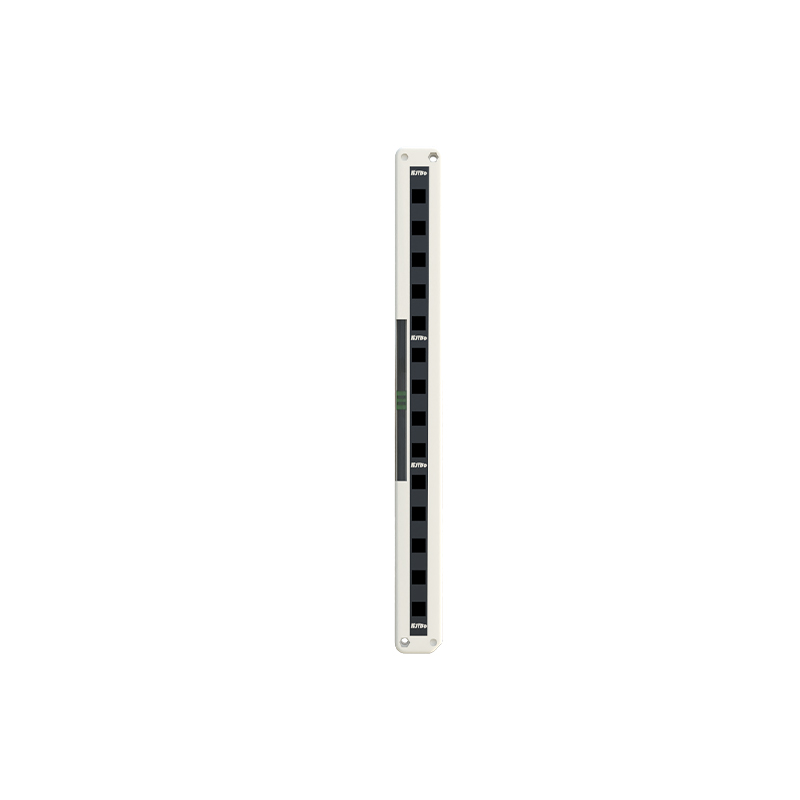
Critical parameters include sensing distance, response time, resolution, and immunity to interference. For example, laser-based photoelectric sensors achieve sub-millimeter resolution and response times below 1 ms, making them ideal for high-speed production lines. Research by [Author, Year] demonstrates that sensor selection must consider environmental factors like temperature, humidity, and vibration. Additionally, the use of modulated light helps filter out background noise, enhancing stability.
Applications in Industry
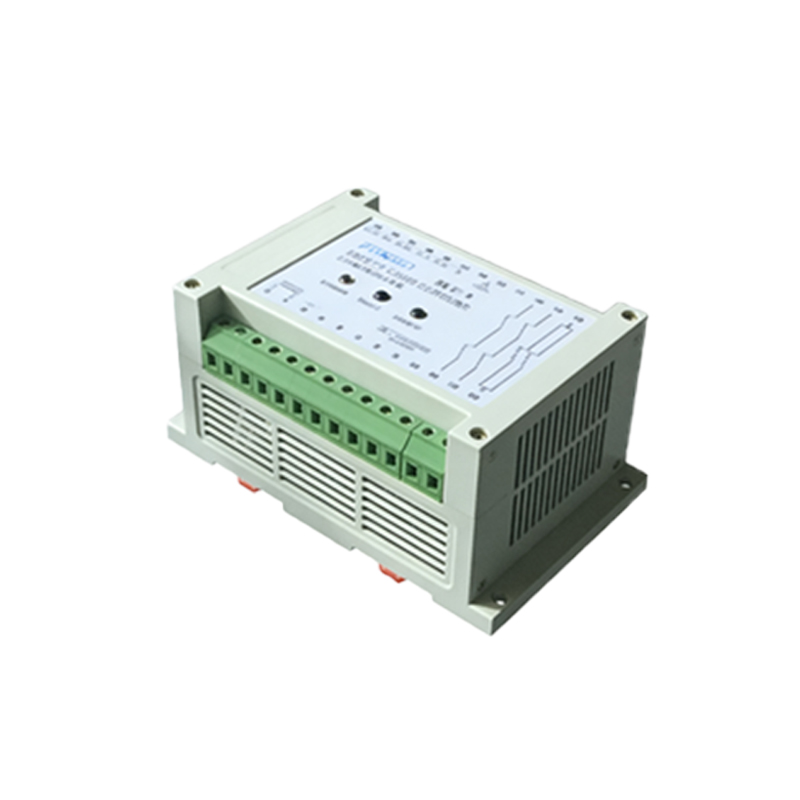
Photoelectric sensors are ubiquitous in manufacturing, packaging, and logistics. In conveyor systems, they detect product presence and trigger sorting mechanisms. In the automotive industry, they verify part alignment and ensure safety interlocks. Case studies show that retro-reflective sensors are preferred for transparent object detection, such as glass bottles, due to their ability to differentiate between reflective and non-reflective surfaces. Emerging applications include collaborative robotics and smart factory integration.
Advancements in Sensor Technology
Recent innovations include fiber-optic photoelectric sensors for confined spaces, IP69K-rated units for washdown environments, and IO-Link interfaces for enhanced communication with PLCs. Research focuses on reducing power consumption, miniaturizing designs, and improving detection of dark or glossy materials. The integration of artificial intelligence enables adaptive thresholding, where sensors automatically adjust sensitivity to compensate for environmental changes.
Challenges and Future Directions
Despite progress, challenges persist: false triggering due to stray light, degradation of LED output over time, and limited performance at extreme temperatures. Future literature emphasizes the development of solid-state sensors with no moving parts, multi-spectral detection using multiple wavelengths, and wireless connectivity for Industry 4.0. Ongoing studies explore the use of photoelectric sensors in autonomous vehicles and drones for obstacle avoidance.
Conclusion
Photoelectric sensors remain a cornerstone of industrial automation due to their simplicity, accuracy, and adaptability. The literature underscores the necessity for continuous innovation to meet increasing demands for speed, precision, and robustness. Engineers must stay abreast of material science advancements and communication protocols to optimize system performance.