Understanding Photoelectric Sensors and Their Industrial Importance
Photoelectric sensors are essential components in modern automation systems, widely used in manufacturing, packaging, logistics, and process control. These sensors detect objects, changes in light intensity, or distances without physical contact, ensuring high efficiency and reliability. Choosing the right manufacturer with immediate stock availability is crucial to minimize downtime and meet production deadlines. Experienced electrical engineers prioritize suppliers who offer consistent quality, fast shipping, and technical support for both standard and custom sensor models.
Key Features of High-Quality Photoelectric Sensors from Stock
When sourcing from manufacturers with ready stock, engineers should assess sensor specifications such as sensing range, response time, output type (e.g., NPN, PNP), and environmental ratings (IP67, IP69K). Reliable stock suppliers maintain diverse inventory including through-beam, retro-reflective, and diffuse reflective types. Additionally, they provide sensors with robust housings, LED indicators for easy troubleshooting, and compatibility with major PLC systems. Immediate availability reduces lead times, making these sensors ideal for urgent retrofits or line expansions.
Benefits of Choosing Manufacturers with Large Stock Capacities
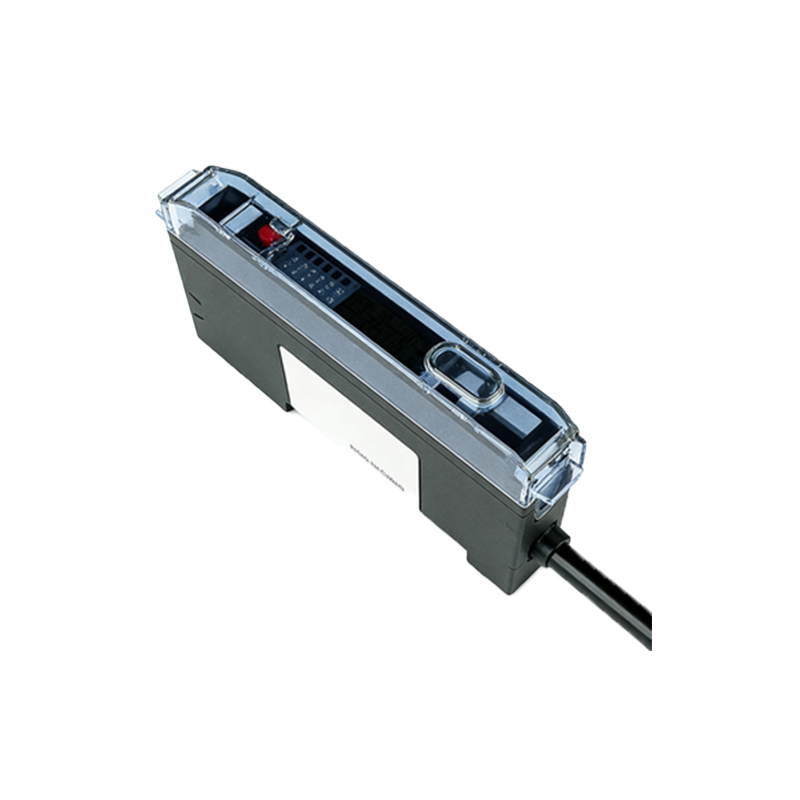
Manufacturers that hold substantial inventories offer distinct advantages: faster order fulfillment, lower risk of supply chain disruptions, and potential cost savings through bulk purchases. For engineers, this means accessing popular sensor models like M18 or M30 cylindrical sensors, fiber optic amplifiers, or miniature sensors without long waiting periods. Many top manufacturers also provide online catalogs with real-time stock levels, enabling quick selection and ordering. This operational agility supports lean manufacturing principles and just-in-time production schedules.
Technical Support and Customization Options from Stock Suppliers
Leading photoelectric sensor manufacturers not only offer stock items but also provide technical documentation, wiring diagrams, and application guides. Some even offer same-day shipping for standard products and quick turnaround on customized variants, such as angled connectors or special cable lengths. Engineers can rely on manufacturer expertise to select the correct sensor type based on target material, color, transparency, and ambient light conditions. This technical partnership ensures optimal system performance and reduces installation errors.