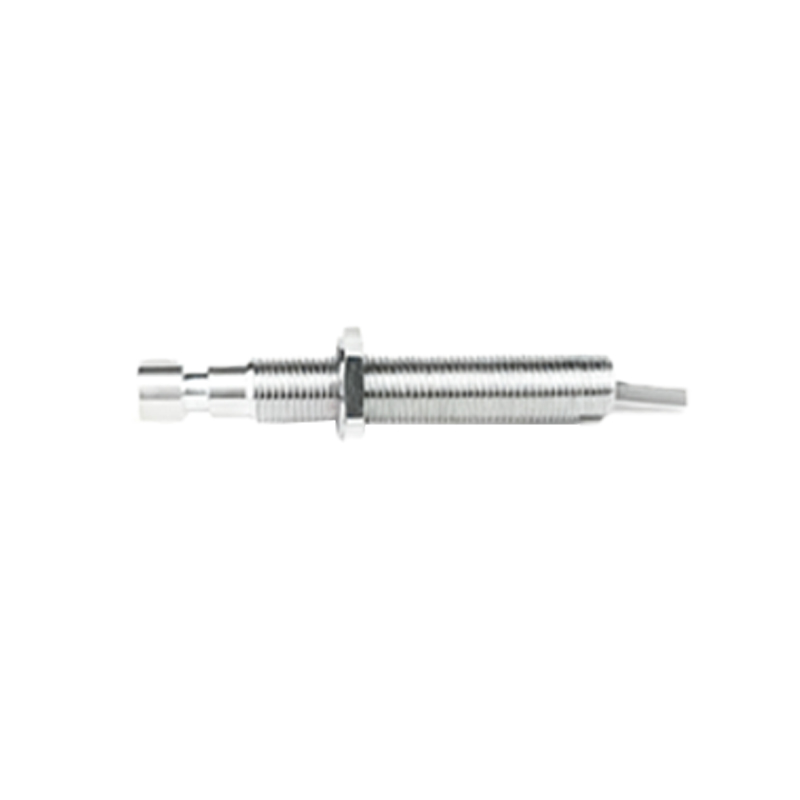
In the realm of automation and smart technology, the Proximity Sensor D stands as a pivotal component, enabling machines to perceive and interact with their environment without physical contact. This sophisticated device operates on the principle of detecting the presence or absence of an object within a specific range, providing critical data for control systems. Unlike mechanical switches, Proximity Sensor D offers a non-contact solution, which translates to higher reliability, longer operational life, and minimal maintenance requirements. Its design is tailored for robustness, often housed in durable casings that withstand harsh industrial environments, including exposure to dust, moisture, and temperature variations.
The core technology behind Proximity Sensor D typically involves electromagnetic, capacitive, or ultrasonic sensing methods. The inductive variant, one of the most common, generates an electromagnetic field. When a metallic object enters this field, it causes a change in the oscillation amplitude, which the sensor detects and converts into a digital output signal. This makes it exceptionally suitable for applications involving metal detection, such as in conveyor systems, machine tools, and automotive assembly lines. On the other hand, capacitive Proximity Sensor D can detect both metallic and non-metallic materials, including liquids and granular substances, by sensing changes in capacitance. This versatility opens doors to diverse sectors like food processing, packaging, and material handling.
A key advantage of Proximity Sensor D is its precision and speed. It can detect objects with high accuracy at rapid intervals, making it indispensable in high-speed manufacturing processes where timing is crucial. The sensor's output is usually in the form of a simple ON/OFF signal, easily integrated into Programmable Logic Controllers (PLCs) and other industrial control units. This seamless integration facilitates automated decision-making, such as starting or stopping a machine, counting items, or positioning components accurately. Furthermore, many models feature adjustable sensing ranges and built-in diagnostics, allowing for fine-tuning and easy troubleshooting, which enhances overall system efficiency.
The applications of Proximity Sensor D are vast and continually expanding. In industrial automation, it is used for object detection, limit switching, and part positioning. In the automotive industry, these sensors monitor gear positions, detect seat occupancy, and ensure safety in robotic welding arms. Consumer electronics also benefit greatly; for instance, in smartphones, a Proximity Sensor D is employed to disable the touchscreen during calls when the device is near the ear, preventing accidental inputs. Similarly, in home appliances like automatic faucets and soap dispensers, it provides touch-free operation, promoting hygiene and convenience.
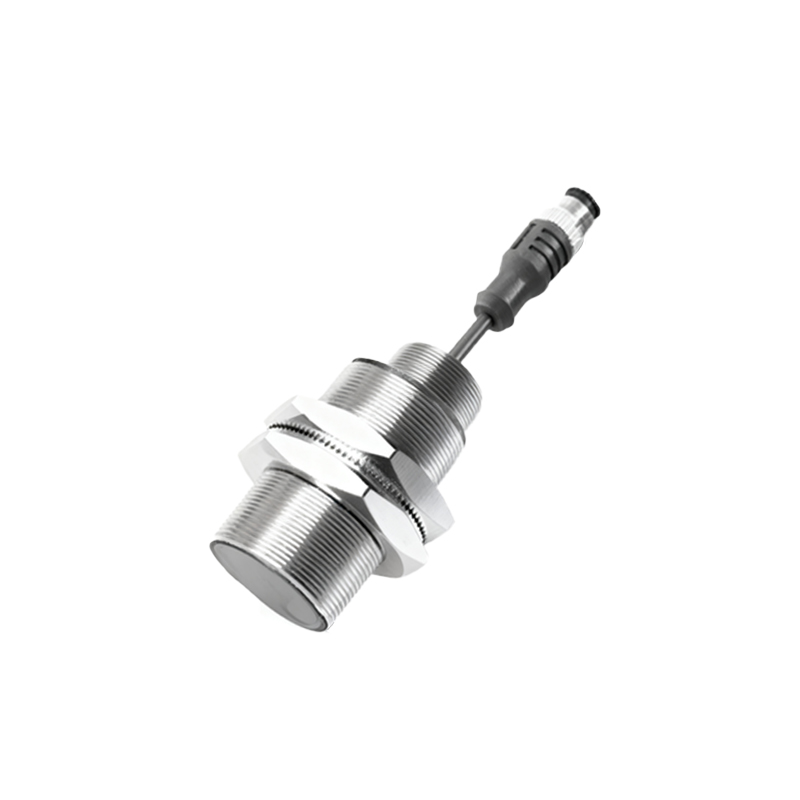
Installation and wiring of Proximity Sensor D are generally straightforward, but attention to detail is necessary for optimal performance. Factors such as sensor mounting, environmental interference from other electrical devices, and the material properties of target objects must be considered. Proper shielding and adherence to manufacturer guidelines on operating voltage and load current are essential to prevent malfunctions. Regular calibration and cleaning of the sensor face can also maintain detection accuracy over time.
Looking ahead, advancements in Proximity Sensor D technology focus on miniaturization, enhanced sensitivity, and smarter features like IO-Link communication, which enables digital data exchange beyond simple switching signals. This evolution supports the growth of Industry 4.0 and the Internet of Things (IoT), where sensors become intelligent nodes in a connected network, providing valuable analytics for predictive maintenance and process optimization. As industries strive for greater efficiency and automation, the role of Proximity Sensor D becomes increasingly critical, driving innovation across manufacturing, robotics, and smart infrastructure.
In conclusion, Proximity Sensor D is a fundamental element in modern sensing technology, offering reliable, non-contact detection for a multitude of applications. Its ability to operate in demanding conditions while delivering precise feedback makes it a cornerstone of automated systems. Understanding its working principles, types, and implementation best practices is key to leveraging its full potential in enhancing productivity and enabling smarter, more responsive technological solutions.