Understanding the Lifespan of Photoelectric Sensors
Photoelectric sensors are critical components in industrial automation, used for detecting objects, measuring distances, and ensuring process reliability. Their lifespan varies significantly based on factors such as operating environment, sensor type, maintenance practices, and quality of components. On average, a well-maintained photoelectric sensor can last between 5 to 10 years, but this can extend to 15 years in optimal conditions. However, harsh environments—such as those with extreme temperatures, humidity, dust, or vibration—can reduce lifespan to 2-3 years. For example, sensors exposed to constant washdown processes or chemical splashes may experience premature failure of seals or optics.
Key Factors Affecting Sensor Longevity
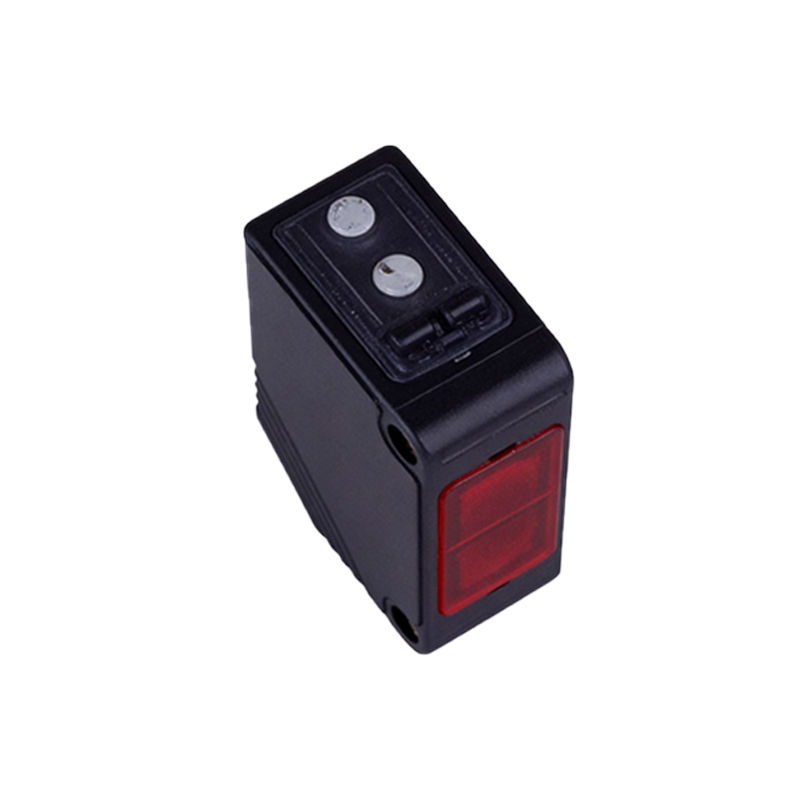
Several elements determine how long a photoelectric sensor will function reliably. First, the emitter and receiver components, typically LEDs or laser diodes, degrade over time. LEDs have a rated lifespan of 50,000 to 100,000 hours (about 5.7 to 11.4 years of continuous use), but high-power or pulsed operations can shorten this. Second, environmental factors like temperature extremes (-25°C to 55°C for standard sensors) accelerate aging of internal electronics and plastics. Third, mechanical stress from frequent alignment adjustments or cable strain can cause internal wire breakage. Finally, contamination of the lens or reflector surface (e.g., oil, dust, or condensation) reduces detection accuracy and forces the sensor to work harder, leading to faster degradation.
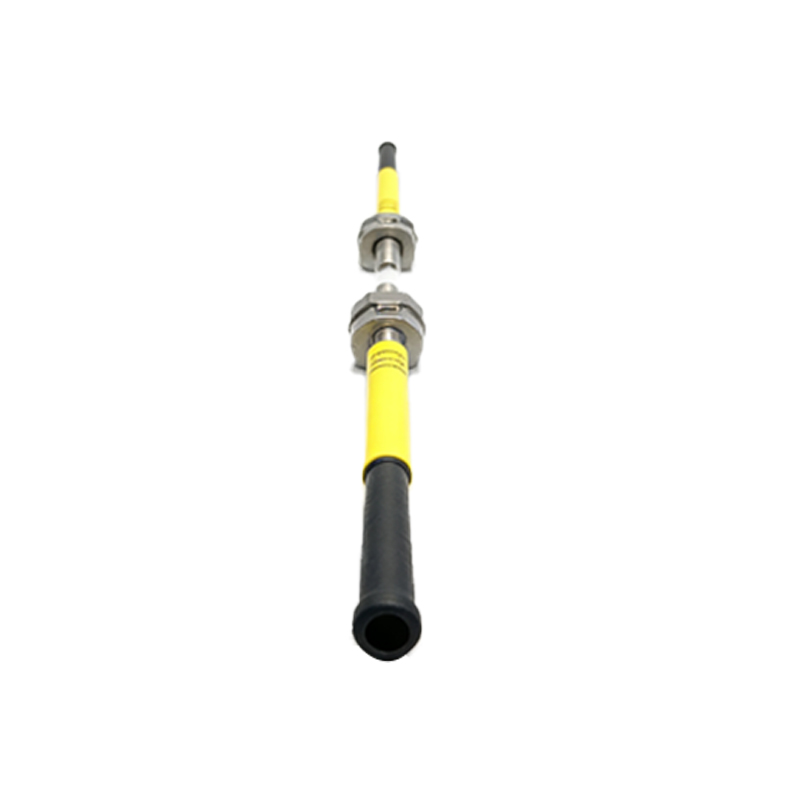
Types of Photoelectric Sensors and Their Typical Lifespan
Different sensor types have distinct lifespans due to their construction and application. Through-beam sensors often last the longest, up to 10-15 years, because they have no moving parts and the emitter and receiver are separate, reducing heat buildup. Retro-reflective sensors have a moderate lifespan (5-8 years) due to the integrated emitter-receiver unit, which is more susceptible to heat and vibration. Diffuse (proximity) sensors tend to have shorter lifespans (3-5 years) because they rely on reflected light from the target, making optics more sensitive to contamination. For laser-based sensors, the laser diode lifespan is typically 10,000 to 20,000 hours (1-2.3 years continuous use), so they require more frequent replacement in continuous operation.
Signs That a Photoelectric Sensor Is Failing
Early detection of degradation can prevent costly downtime. Common failure indicators include:
- Intermittent detection: The sensor fails to detect objects consistently, especially in varying light conditions.
- Reduced sensing range: The maximum distance for reliable detection decreases by more than 20% from the rated value.
- Increased response time: The sensor takes longer to output a signal, which can cause timing issues in fast production lines.
- Frequent false triggers: The sensor activates without a target present, often due to lens contamination or internal component drift.
- Physical damage: Cracks in the housing, corrosion on terminals, or discoloration of the lens indicate environmental stress.
How to Extend the Lifespan of Photoelectric Sensors
Proper maintenance and installation can significantly prolong sensor life.
- Environmental protection: Use sensors with appropriate IP ratings (e.g., IP67 for wet areas) and install protective covers or air purges to reduce dust and chemical exposure.
- Regular cleaning: Clean lenses and reflectors weekly with a soft, lint-free cloth and approved solvent. Avoid abrasive materials that scratch optical surfaces.
- Electrical considerations: Ensure stable power supply (±10% of rated voltage) and use surge protectors to prevent damage from voltage spikes.
- Mechanical isolation: Use vibration-dampening mounts and avoid excessive cable tension; consider using flexible conduits for cable runs.
- Replace proactively: Schedule replacement based on manufacturer’s mean time between failures (MTBF) data, typically every 5-7 years for standard sensors in moderate environments.
When to Consider Replacement vs. Repair
Given the relatively low cost of most photoelectric sensors (typically $50-$300), replacement is often more economical than repair. Repair is viable only for high-value sensors or specialized units where downtime costs justify the expense. For sensors with failed emitters (LED burnout), replacement is straightforward. For those with lens damage or corrosion, replacement is mandatory. Always check warranty terms—many industrial sensors have a 2-3 year warranty, and early failures may be covered. A best practice is to maintain spare sensors in inventory for critical applications, ensuring minimal disruption when failure occurs.