Understanding Photoelectric Sensors
Photoelectric sensors are critical components in industrial automation, used for detecting objects, distances, and material presence without physical contact. These sensors rely on light beams, often from LEDs or lasers, and are essential for applications in manufacturing, packaging, and logistics. When seeking to purchase these devices from a physical store, engineers and technicians must consider factors like sensor type (through-beam, retro-reflective, or diffuse), environmental conditions (dust, moisture, vibration), and compatibility with existing control systems. The global market for photoelectric sensors is dominated by brands such as SICK, Banner Engineering, Omron, and Keyence, which offer robust solutions for harsh industrial environments.
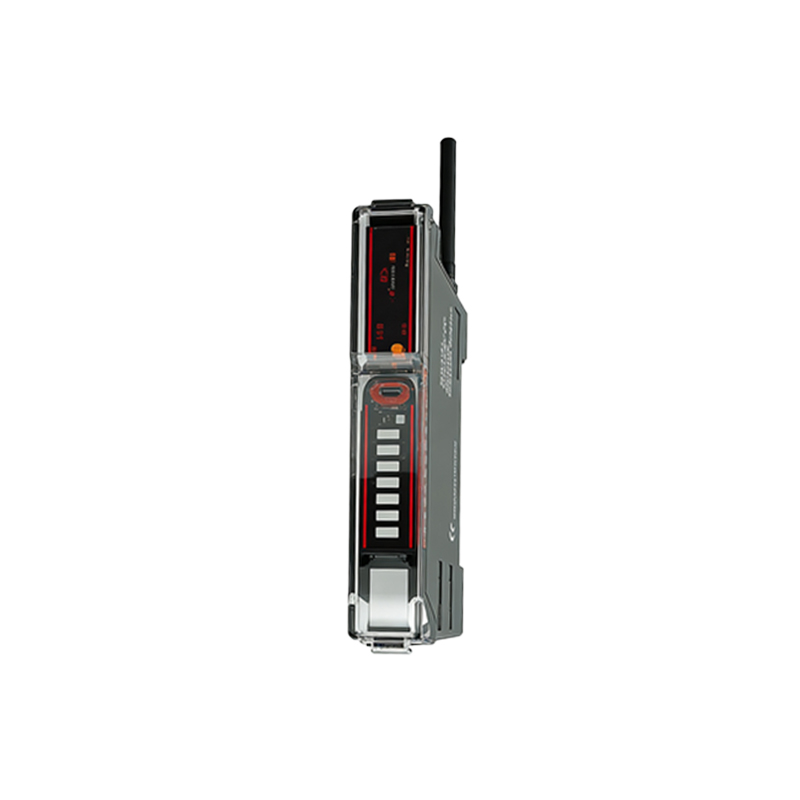
Industrial Distributors and Automation Supply Houses
The most reliable sources for buying photoelectric sensors in person are specialized industrial distributors and automation supply houses. Companies like Grainger, McMaster-Carr, and Motion Industries have physical branches in major industrial hubs, stocking a wide range of sensors from multiple manufacturers. For example, Grainger’s local branches in Chicago or Houston maintain inventory for same-day pickup. These distributors often provide technical support, allowing engineers to verify sensor specifications, such as sensing range (e.g., 0.1m to 20m) or output type (NPN, PNP, analog), before purchase. Additionally, regional automation supply stores, such as AutomationDirect’s showrooms in Atlanta or Dallas, offer hands-on demonstrations for popular models like the SICK W4-3 or Omron E3Z series.
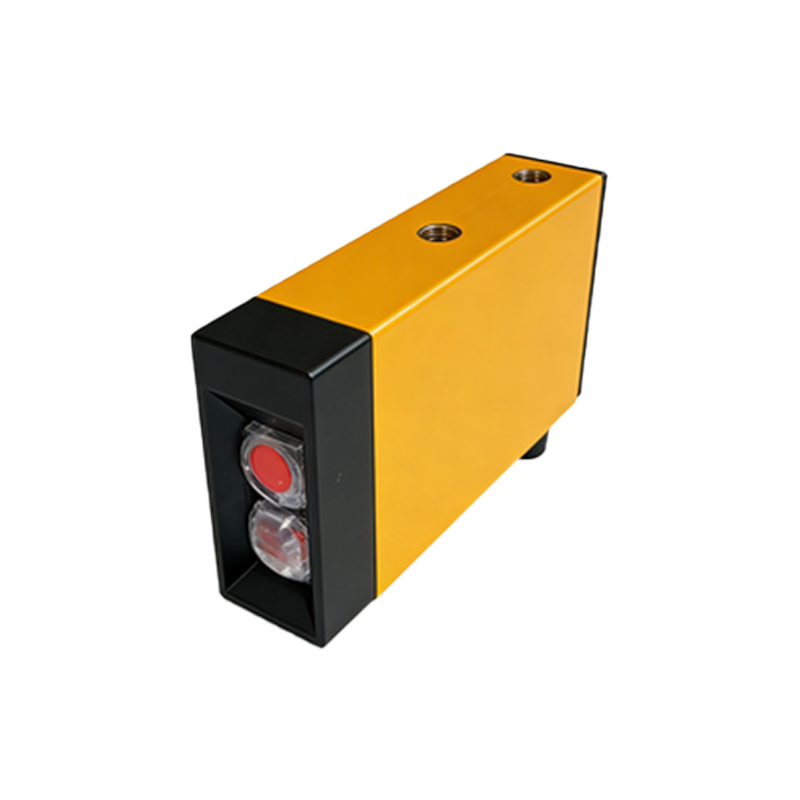
Electrical Wholesalers and Panel Builders
Electrical wholesalers, such as RS Components or Rexel, are another viable option, particularly for those in the construction or panel-building sectors. These stores often carry photoelectric sensors as part of their industrial control inventory, alongside circuit breakers and wiring components. For instance, Rexel locations in the UK or France stock Banner Engineering’s Q12 series for light-duty applications. Panel builders frequently purchase from these wholesalers to integrate sensors into custom control cabinets. Visiting these stores allows buyers to inspect sensor housings (e.g., stainless steel for food processing) and check ingress protection ratings (IP67 or higher).
Local Automation and Robotics Retailers
In cities with strong manufacturing ecosystems, such as Detroit, Shenzhen, or Stuttgart, specialized automation and robotics retailers serve the immediate needs of local factories. These stores, like RobotShop’s physical outlet in Quebec or Schenck’s in Germany, focus on advanced sensors including photoelectric models. They often stock niche variants, such as laser-based sensors for precision detection or fiber-optic units for confined spaces. Engineers can benefit from direct consultation with sales staff who understand real-world installation challenges, such as aligning through-beam sensors on conveyor systems.
Authorized Manufacturer Showrooms and Service Centers
Leading sensor manufacturers also maintain authorized showrooms or service centers in key regions. For example, Keyence has customer experience centers in Tokyo, Chicago, and Frankfurt, where buyers can test photoelectric sensors under controlled conditions. Similarly, Banner Engineering’s World Headquarters in Minneapolis offers a retail-like showroom with over 1,000 sensor models. These venues provide the advantage of expert guidance on selecting the right sensor for specific tasks, such as detecting transparent objects (e.g., using polarizing filters) or operating in high-temperature environments.
Trade Shows and Industry Events
While not permanent stores, trade shows and industry events are effective venues for purchasing photoelectric sensors directly from vendors. Events like the Hannover Messe in Germany or the Automation Fair in the US feature booths where manufacturers sell sensors at discounted rates. Engineers can physically compare multiple brands, such as ifm electronic’s O8 series versus Turck’s QS30, and negotiate bulk pricing. These events also offer immediate delivery options, making them a practical source for urgent project needs.
Key Considerations for In-Store Purchases
When buying from a physical store, verify the sensor’s datasheet for parameters like response time (e.g.,<1 ms for high-speed applications) and ambient light immunity. Check for certifications such as CE, UL, or FDA for food-contact applications. Always ask about return policies, as industrial sensors may require specific calibration tools. For example, a diffuse sensor with a background suppression feature must be correctly adjusted at the point of sale to ensure accurate detection in your specific setup.