Introduction to the EX23 Photoelectric Sensor
The EX23 photoelectric sensor is a high-performance device designed for precise object detection in industrial automation. It operates on the principle of modulated infrared light, ensuring reliable operation even in harsh environments. With its compact housing and robust construction, the EX23 is suitable for applications requiring long-range sensing, such as conveyor systems, packaging machinery, and material handling. Key features include a sensing distance of up to 10 meters for through-beam types and immunity to ambient light interference, making it a staple in modern factories.
Operating Principles and Types
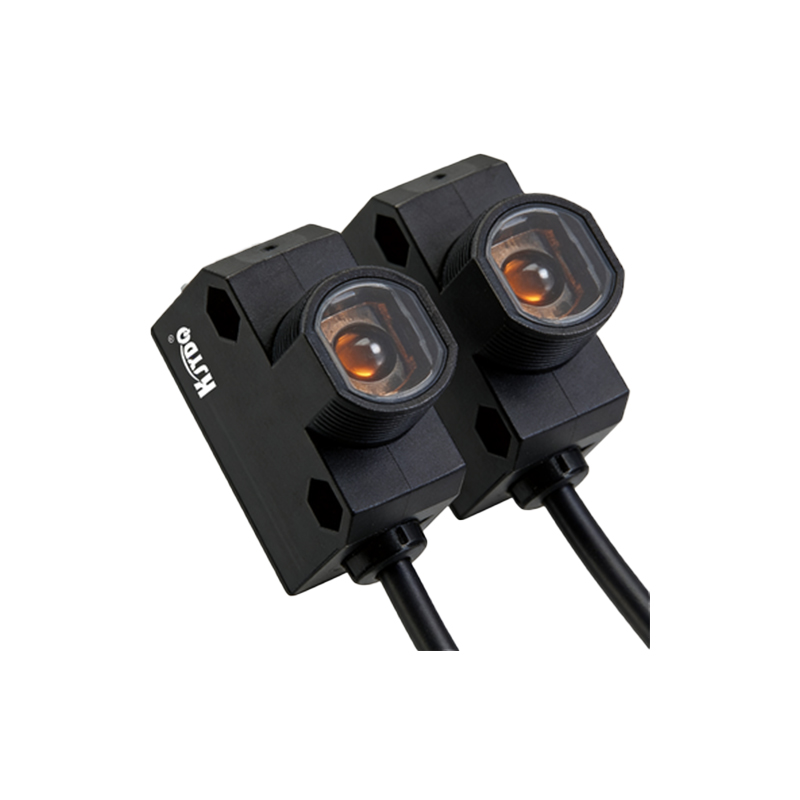
The EX23 sensor is available in three main configurations: through-beam, retro-reflective, and diffuse-reflective. Through-beam models consist of separate emitter and receiver units, offering the longest range and highest reliability for clean environments. Retro-reflective sensors use a reflector to bounce the beam back, simplifying wiring while maintaining solid performance. Diffuse-reflective versions detect objects directly, ideal for short-range applications. All models utilize advanced optical filters to minimize false triggers from dust or moisture, ensuring stable output signals in diverse conditions.
Key Specifications and Performance
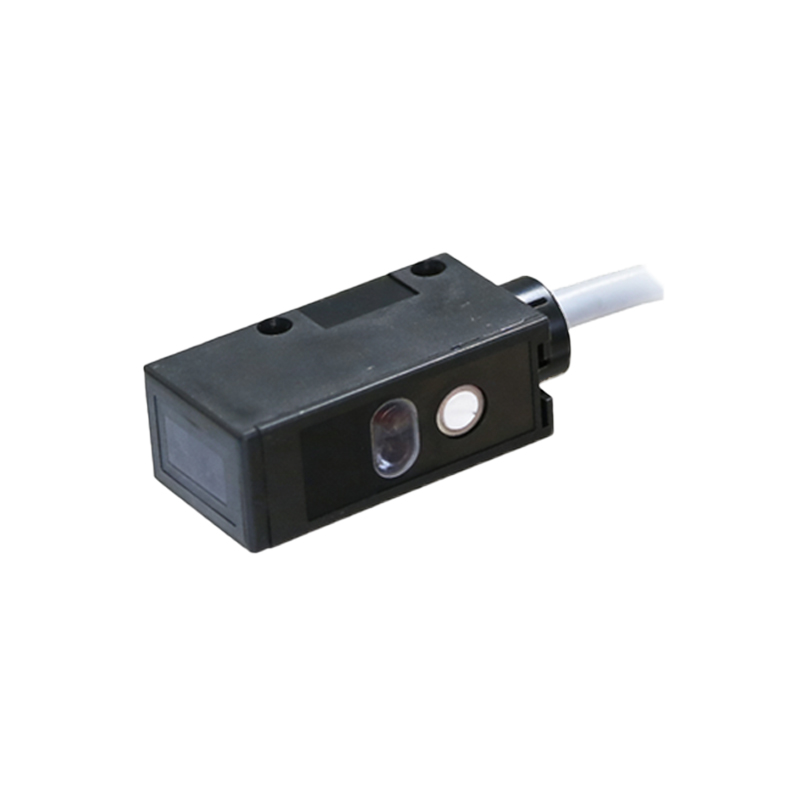
Technically, the EX23 operates on a 12-24V DC supply with a response time as low as 1 millisecond. It supports both NPN and PNP output configurations, compatible with most PLCs and controllers. The IP67 rating guarantees protection against dust ingress and temporary water immersion, critical for wet or dusty production lines. Temperature tolerance ranges from -25°C to +55°C, allowing deployment in cold storage or hot manufacturing zones. The sensor's red LED indicator provides immediate visual feedback for alignment and status monitoring.
Installation and Wiring Guidelines
Proper installation is vital for optimal performance. Mount the EX23 on a stable surface using the included bracket, ensuring the optical axis aligns with the target or reflector. For through-beam models, maintain a clear line-of-site between emitter and receiver. Wiring should follow the color-coded cable: brown for power, blue for ground, and black for output. Avoid routing cables near high-voltage lines to prevent electromagnetic interference. After installation, perform a sensitivity adjustment using the built-in potentiometer to fine-tune detection thresholds.
Troubleshooting Common Issues
If the EX23 fails to detect objects, first check for contamination on the lens—clean with a soft, lint-free cloth. Verify power supply stability within the specified range. Intermittent detection often results from misalignment; realign the sensor and reflector. In dusty environments, reduce sensitivity to prevent false triggers. For persistent problems, consult the manufacturer's manual for advanced diagnostics. Regular preventive maintenance, such as quarterly lens cleaning and connection checks, extends sensor lifespan.
Applications in Industry
The EX23 excels in automated assembly lines for part presence verification, conveyor belt jam detection, and elevator door safety systems. Its long-range capability suits warehouse automated guided vehicles (AGVs) and pallet positioning. In food processing, the IP67 rating allows washdown-resistant operation. The sensor's fast response time also enables high-speed counting in bottling plants. These versatile attributes make the EX23 a cost-effective solution for upgrading legacy systems to Industry 4.0 standards.
Conclusion and Best Practices
To maximize the EX23 photoelectric sensor's benefits, always match the sensor type to the application environment. Use through-beam for clean, long-distance tasks; retro-reflective for moderate conditions; and diffuse-reflective for short-range detection. Implement redundant sensors in critical safety systems. Leverage the EX23's compatibility with IO-Link for real-time diagnostics and configuration. By following these guidelines, engineers can achieve reliable, maintenance-free operation, reducing downtime and improving overall equipment effectiveness.