This comprehensive guide covers the integration, benefits, and future of photoelectric sensors in woodworking, helping engineers and technicians optimize their machinery for maximum efficiency and safety.
In the woodworking industry, precision and safety are paramount. Dedicated photoelectric sensors, specifically designed for woodworking machinery, provide reliable detection of wooden workpieces, dust, and debris without interference from ambient light or material variations. These sensors use advanced optics and robust housings to withstand harsh environments, ensuring consistent performance in saws, routers, and sanders.
Key Features for Woodworking Applications
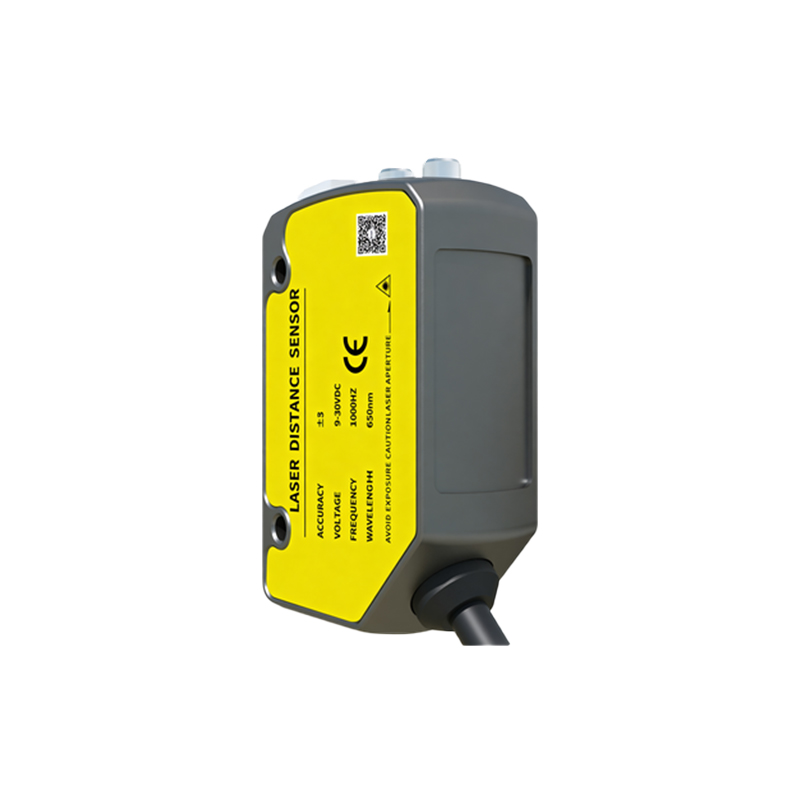
Woodworking photoelectric sensors are engineered with features tailored to the unique challenges of sawdust, vibration, and high-speed operations. They often include IP67 or higher ingress protection, stainless steel or reinforced plastic housings, and integrated lens cleaning systems. Their wide operating temperature range (-25°C to 70°C) and overcurrent protection ensure longevity even in continuous use. The sensors typically offer adjustable sensing distances (from 10 mm to 2 meters) and diffuse or retro-reflective modes to handle irregular wood surfaces.
Integration into Woodworking Machinery
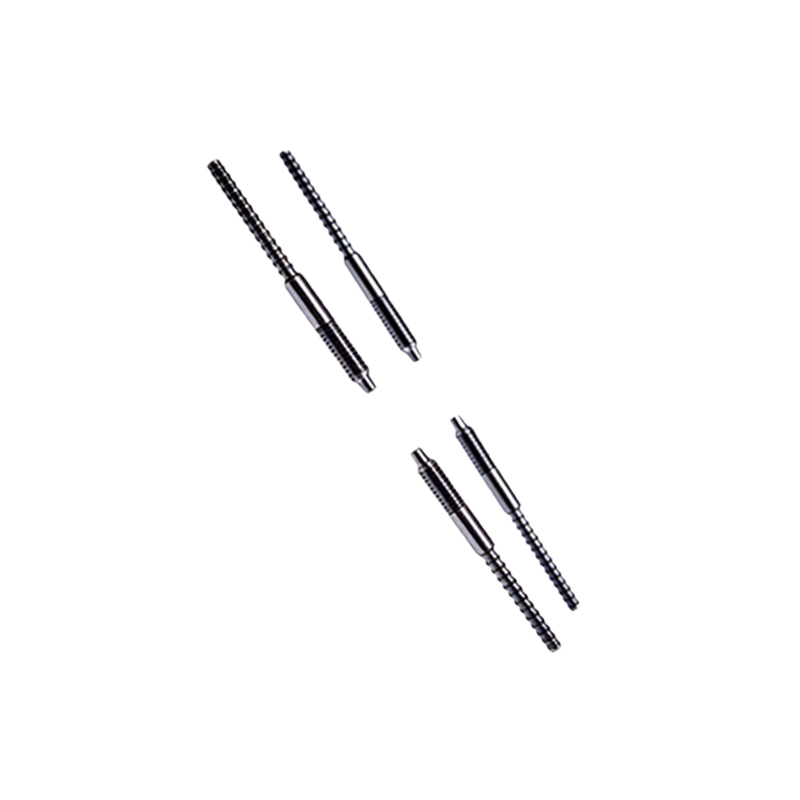
These sensors are easily integrated into CNC routers, panel saws, and edgebanders. For example, a retro-reflective sensor can detect the presence of a wood panel on a conveyor belt, triggering the saw blade to engage only when material is properly positioned. In automated feeding systems, through-beam sensors monitor wood flow and prevent jams by signaling a PLC to adjust feed rates. Proper mounting angles (typically 15-30 degrees) minimize false triggers from sawdust accumulation.
Benefits Over Standard Sensors
Compared to standard sensors, woodworking-specific sensors offer superior resistance to dust and moisture, reducing downtime caused by sensor cleaning or replacement. They also feature enhanced immunity to ambient light interference from workshop lighting and sunlight. Field tests show a 40% reduction in false triggering and a 30% improvement in mean time between failures (MTBF) when using these dedicated devices in sawdust-heavy environments.
Installation and Calibration Tips
To maximize performance, install sensors at least 50 mm away from moving parts to avoid mechanical damage. Calibrate sensing distance using a sample workpiece that matches the typical wood density and color. For diffuse sensors, set the threshold to ignore transparent finishes or thin veneers. Regular cleaning of the sensor lens with a dry cloth and compressed air maintains accuracy. Always verify alignment with a test run to ensure no false signals during start-up.
Future Trends in Woodworking Sensor Technology
Emerging trends include smart sensors with IoT connectivity, allowing real-time monitoring of sensor health and production metrics via cloud platforms. Advanced models now incorporate AI to adaptively filter out dust particles, improving detection in extreme conditions. Battery-powered wireless sensors are also gaining traction for retrofit applications, reducing wiring costs without sacrificing reliability.