Introduction to Zhongchuan Photoelectric Sensors
Zhongchuan photoelectric sensors are critical components in modern industrial automation systems, delivering high-precision detection and robust performance across diverse environments. Designed for reliability, these sensors utilize advanced optical technology to detect objects, measure distances, and monitor positions with minimal error. Their compact form factor and resistance to harsh conditions make them ideal for manufacturing lines, packaging, and material handling. Engineers trust Zhongchuan sensors for consistent output, reducing downtime and enhancing operational efficiency.
Core Technology and Operating Principles
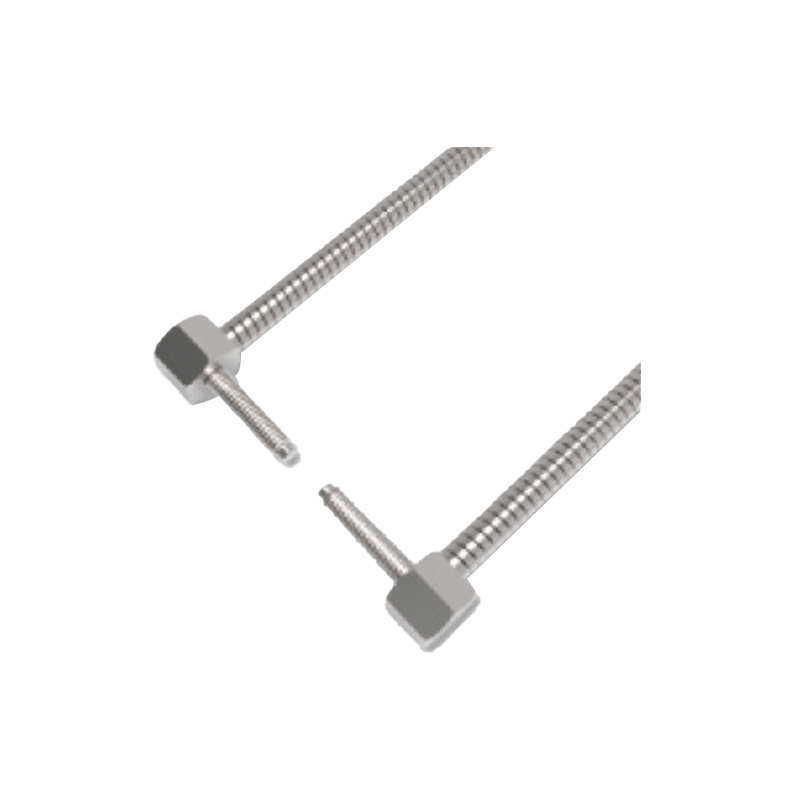
These sensors operate on the principle of light emission and reception, using infrared or visible light to sense target presence. The key components include an emitter, detector, and signal processor. When an object interrupts or reflects the light beam, the sensor triggers an electrical signal. Zhongchuan models feature both through-beam and reflective configurations, allowing adaptation to specific application needs. Digital filtering and ambient light suppression ensure stable performance even in dusty or high-glare settings.
Key Features and Industrial Benefits
Zhongchuan photoelectric sensors offer superior detection range, typically from a few centimeters to several meters, with rapid response times under one millisecond. They support various output types, including NPN, PNP, and analog signals, facilitating integration with PLCs and controllers. Enhanced IP67 ratings provide dust and water resistance, while optional stainless steel housings withstand corrosive environments. These features reduce false triggers and maintenance costs, boosting overall system reliability.
Application Examples in Automation
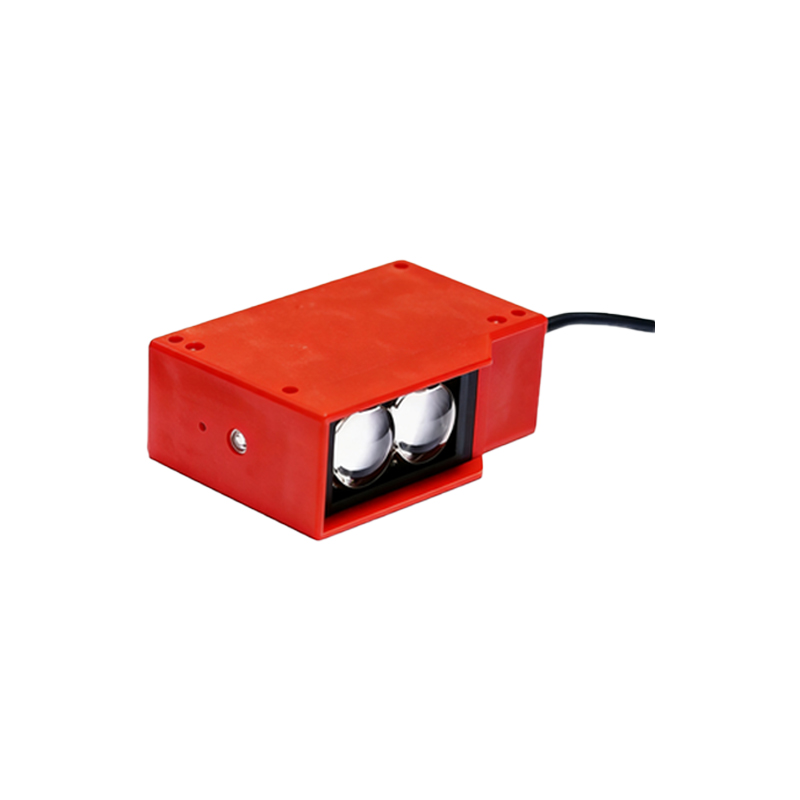
In assembly lines, Zhongchuan sensors detect part presence for robotic pick-and-place operations. In conveyor systems, they monitor package flow and sorting accuracy. For liquid level monitoring, reflective models sense transparent containers. Their ability to handle opaque, translucent, or reflective targets expands utility across automotive, food processing, and logistics sectors. Users report improved cycle times and reduced waste through precise detection.
Installation and Calibration Best Practices
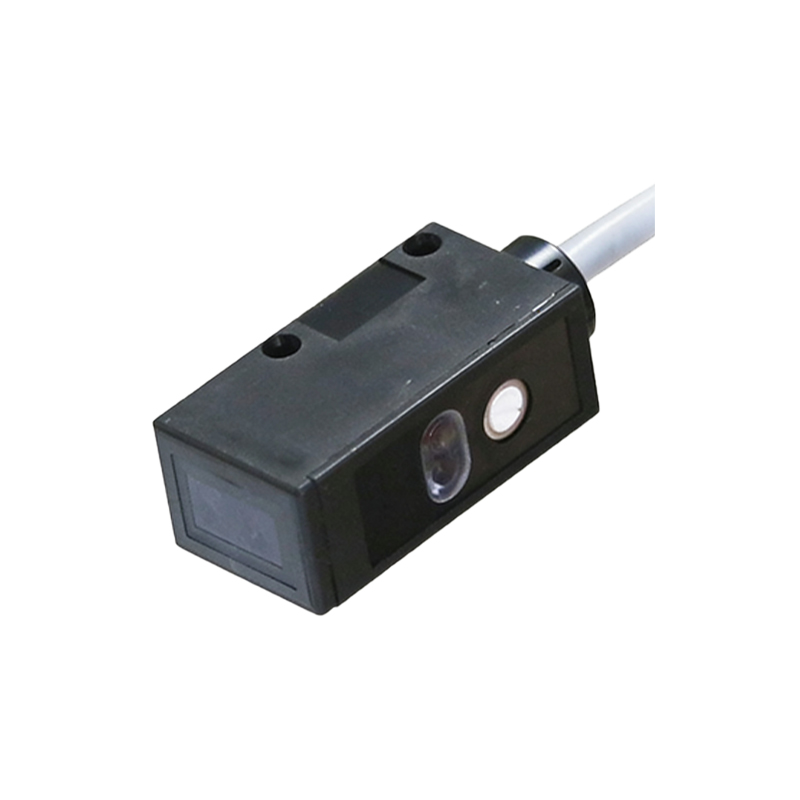
Proper mounting is crucial for optimal performance. Align the emitter and receiver axis within 0.5 degrees for through-beam types. For reflective sensors, maintain a clean target surface and avoid overhead lighting interference. Calibration involves adjusting sensitivity using the onboard potentiometer or software interface. Document settings for repeatability. Regular cleaning of optical lenses with non-abrasive cloth extends sensor lifespan.
Comparison with Competing Technologies
Compared to inductive or capacitive sensors, Zhongchuan photoelectric units excel in long-range detection and non-contact measurement. They outperform ultrasonic sensors in accuracy for small objects but can be affected by transparent media. In high-speed applications, their response time surpasses mechanical limit switches. For extreme temperatures, specialized models with polarized filters maintain performance, offering a cost-effective alternative to laser-based systems.
Future Trends and Upgrades
Emerging trends include IO-Link communication for real-time diagnostics and adaptive sensitivity algorithms. Zhongchuan is integrating smart sensors with Ethernet connectivity for Industry 4.0 compatibility. Enhanced miniaturization and lower power consumption are expected, enabling battery-operated mobile applications. These innovations will further streamline predictive maintenance and data-driven process optimization.