Introduction to Large-Size Reflectors in Photoelectric Sensing
In the realm of industrial automation, photoelectric sensors rely heavily on reflectors to ensure consistent and accurate detection. Large-size reflectors, specifically designed for long-range or wide-beam applications, are critical in environments where standard reflectors fall short. These components enhance signal return by providing a broader reflective surface, reducing alignment sensitivity and extending detection distances in harsh conditions such as dusty or vibrating assembly lines. For engineers, selecting the appropriate large reflector is a matter of optimizing system reliability and minimizing maintenance downtime.
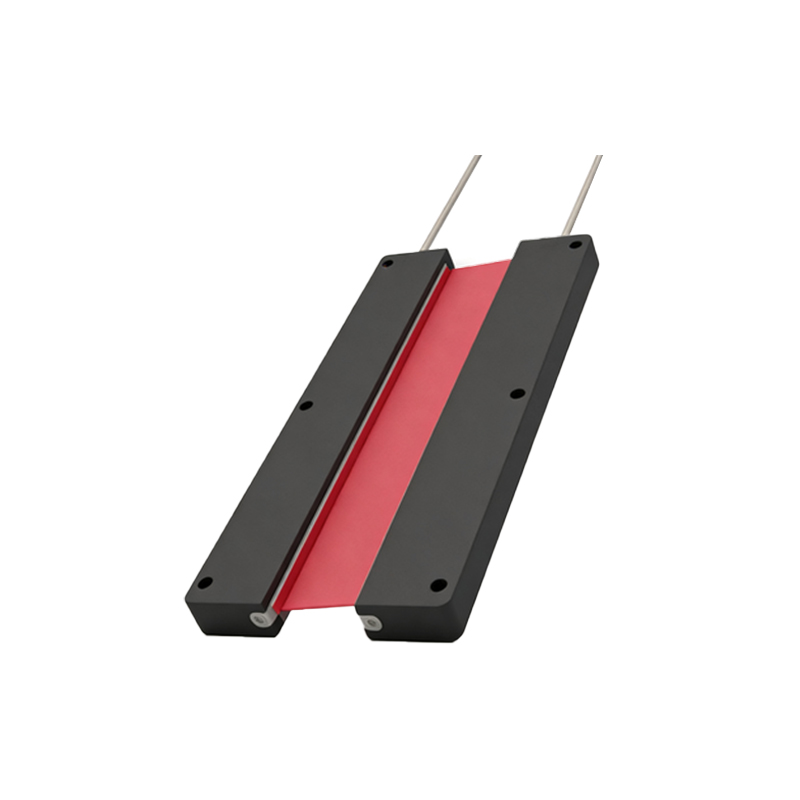
Key Technical Parameters for Large-Size Reflectors
When specifying large-size reflectors, engineers must consider several technical parameters to match sensor performance. First, the reflector’s effective reflective area directly influences the sensor’s maximum detection range; a larger area typically improves signal strength for diffuse or retro-reflective modes. Second, the material composition—often polycarbonate or acrylic with protective coatings—affects durability against UV exposure, chemical splashes, and temperature extremes. Third, the mounting design must accommodate vibration resistance and angular adjustment, especially for large reflectors used in conveyor systems or material handling. Common sizes range from 100mm x 100mm to 500mm x 500mm, with custom dimensions available for specialized applications.
Applications Driving Demand for Larger Reflectors
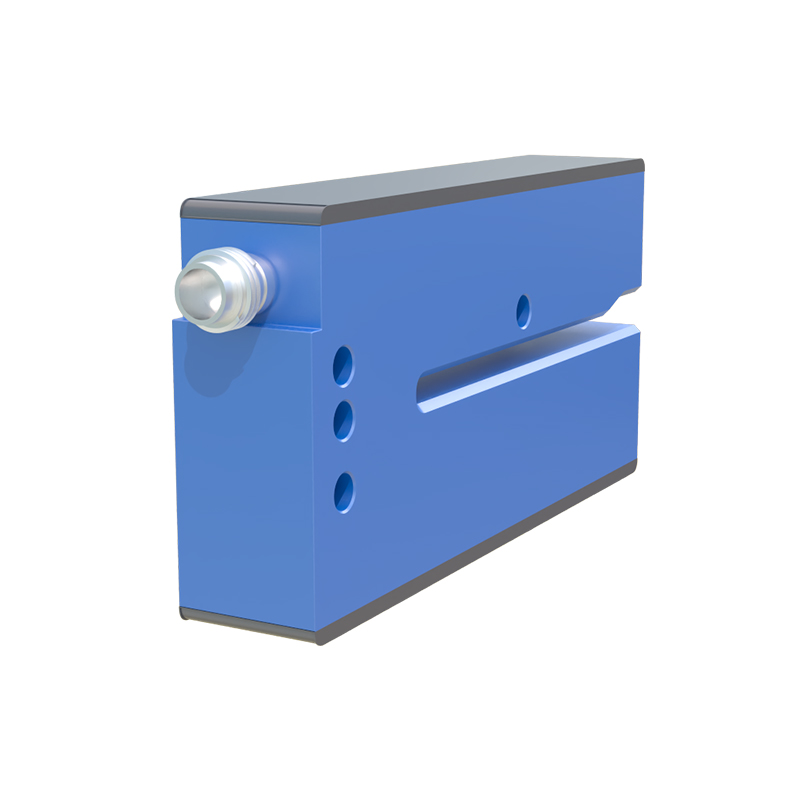
Large-size reflectors are increasingly demanded in sectors like automotive manufacturing, logistics, and heavy machinery. In automotive paint shops, for instance, sensors must detect vehicles through mist and overspray; a larger reflector ensures reliable echo signals without frequent cleaning. In warehouse automation, wide-beam retro-reflective sensors with large reflectors enable precise pallet detection over distances exceeding 10 meters. Additionally, in outdoor crane systems, these reflectors compensate for misalignment caused by structural flexing, offering stable performance in wind and rain. The trend toward Industry 4.0 further pushes the need for robust, large-area reflectors that integrate with smart sensor networks.
Installation and Maintenance Best Practices
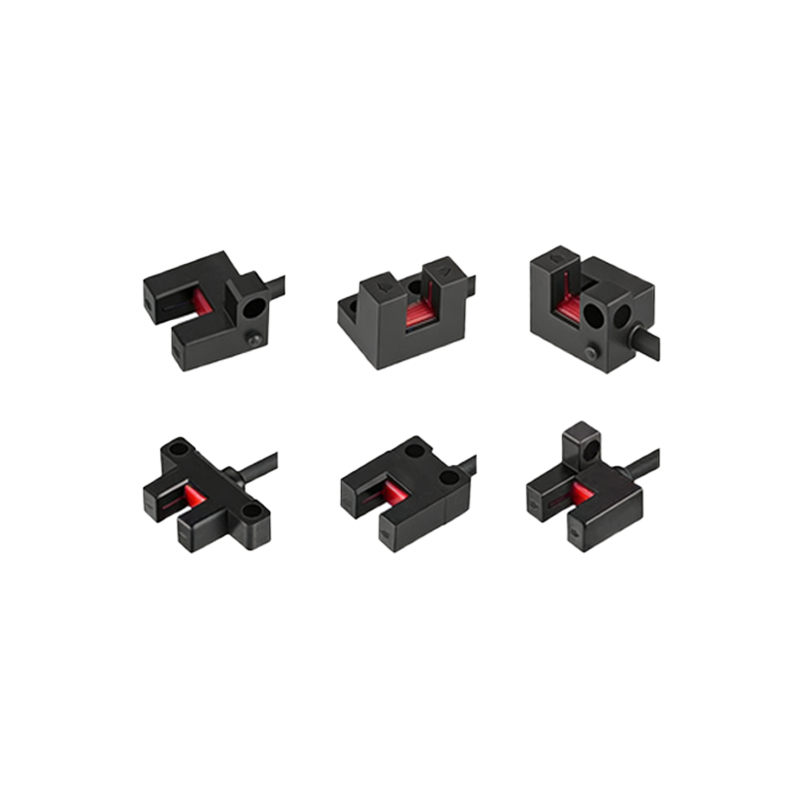
Proper installation of large-size reflectors is crucial for achieving optimal sensor performance. Engineers should mount the reflector perpendicular to the sensor beam, using adjustable brackets to fine-tune alignment. For heavy-duty environments, reinforce the mounting with anti-vibration pads to prevent drift over time. Maintenance involves routine inspection for scratches, dirt, or discoloration on the reflective surface, as even minor damage can attenuate the return signal. In high-temperature zones, select reflectors with heat-resistant adhesives or stainless steel housings. Regularly cleaning the reflector with non-abrasive solutions can extend its lifespan and maintain detection accuracy.
Future Trends in Reflector Technology
The evolution of large-size reflectors is moving toward smarter designs, including integrated RFID tags for asset tracking and self-cleaning surfaces using hydrophobic coatings. Advances in micro-prism technology allow for more efficient light return, reducing the required reflector size for equivalent performance. As laser-based sensors become more prevalent, reflector designs are adapting to handle narrow bandwidths and higher power densities. For engineers, staying updated with these innovations is key to designing next-generation automation systems that are both cost-effective and highly reliable.