2026-06-02
Tech Hub
By 创始人
Vertical Photoelectric Sensors: Principles, Applications, and Selection Guide
Introduction to Vertical Photoelectric Sensors
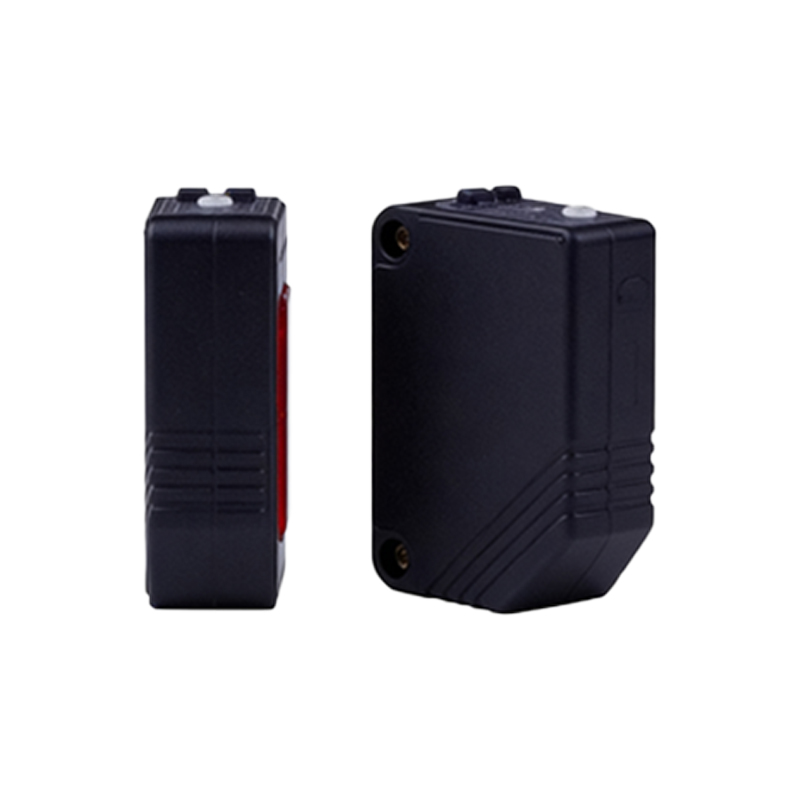
Vertical photoelectric sensors are critical components in modern industrial automation, designed to detect objects, distances, and positions with high precision. Unlike conventional sensors, these devices emit and receive light beams in a vertical orientation, making them ideal for space-constrained environments or applications requiring accurate vertical alignment. Their robust design ensures reliable performance in dusty, humid, or high-vibration settings, common in manufacturing lines, packaging systems, and material handling.
Working Principle and Key Technologies
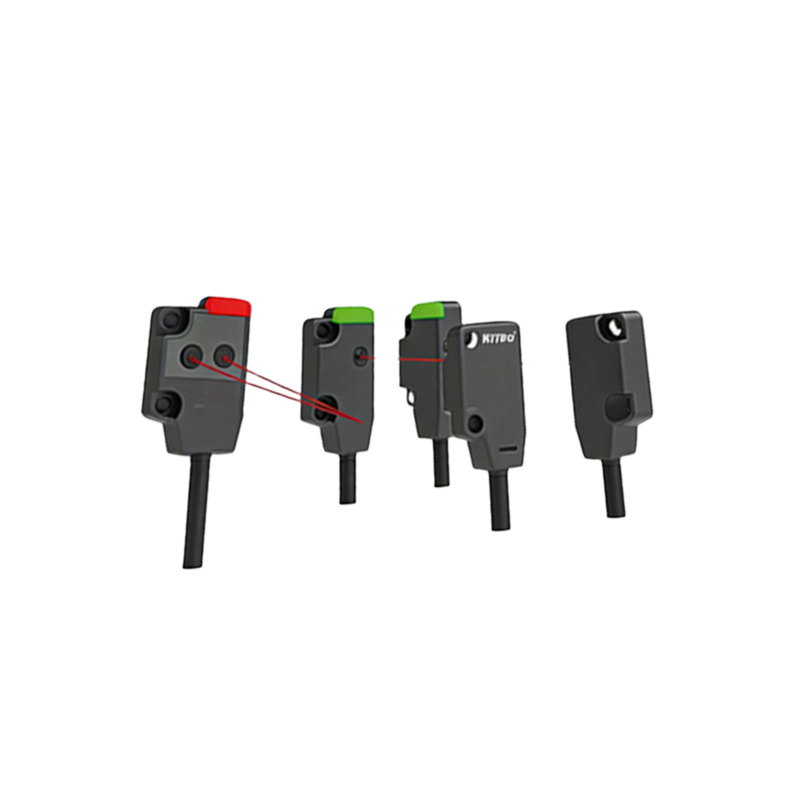
These sensors operate based on the interruption or reflection of a light beam. A typical vertical photoelectric sensor consists of an emitter and a receiver, aligned vertically. When an object passes through the beam, the receiver detects the change in light intensity, triggering a signal. Key technologies include through-beam, retro-reflective, and diffuse sensing modes. Through-beam offers the longest range and highest accuracy, while retro-reflective simplifies installation with a single unit. Diffuse sensors are cost-effective for short-range detection. Advanced models now incorporate infrared or laser diodes for enhanced performance.
Applications in Industrial Automation
Vertical photoelectric sensors are widely used in conveyor systems to detect package presence or jams. In automotive assembly, they verify component placement during vertical lifts. They are also essential in elevator door safety systems, ensuring no obstructions exist. In the pharmaceutical industry, these sensors monitor vial alignment and liquid levels. Their vertical orientation minimizes false triggers from side reflections, improving reliability in high-speed production lines.
Selection Criteria for Engineers
When selecting a vertical photoelectric sensor, consider the sensing range, response time, and environmental factors. For clear glass or shiny metal objects, choose a sensor with polarized light to avoid false signals. The output type (NPN, PNP, or analog) must match the control system. Additionally, the housing material (e.g., stainless steel or plastic) and IP rating (e.g., IP67) should align with the operating environment. Engineers should also evaluate cable length and connector types for easy integration.
Installation and Troubleshooting Tips
Proper alignment is crucial. Use a laser alignment tool to ensure the emitter and receiver are parallel. Avoid placing sensors near strong electromagnetic fields. For retro-reflective models, clean the reflector regularly. If false triggers occur, adjust the sensitivity pot or use a background suppression feature. Testing with a calibration object before full-scale deployment reduces downtime.
Future Trends and Innovations
The industry is moving toward smart sensors with IO-Link communication for real-time diagnostics. Miniaturization allows integration into compact robotics. Additionally, dual-beam sensors are emerging for redundant safety applications. Enhanced resistance to ambient light and temperature extremes will expand their use in outdoor logistics and harsh manufacturing.