Introduction to Photoelectric Sensors in Curtain Control
Photoelectric sensors are integral components in modern smart home and industrial automation systems, offering precise, non-contact detection of objects. In curtain control applications, these sensors replace traditional mechanical switches, enabling automatic opening and closing based on light intensity, proximity, or obstruction. For electrical engineers, understanding the operational principles, installation considerations, and calibration methods is critical for optimizing system reliability. This guide explores the technical implementation of photoelectric sensors in curtain switches, focusing on through-beam, retro-reflective, and diffused sensor types.
Operating Principles of Photoelectric Sensors
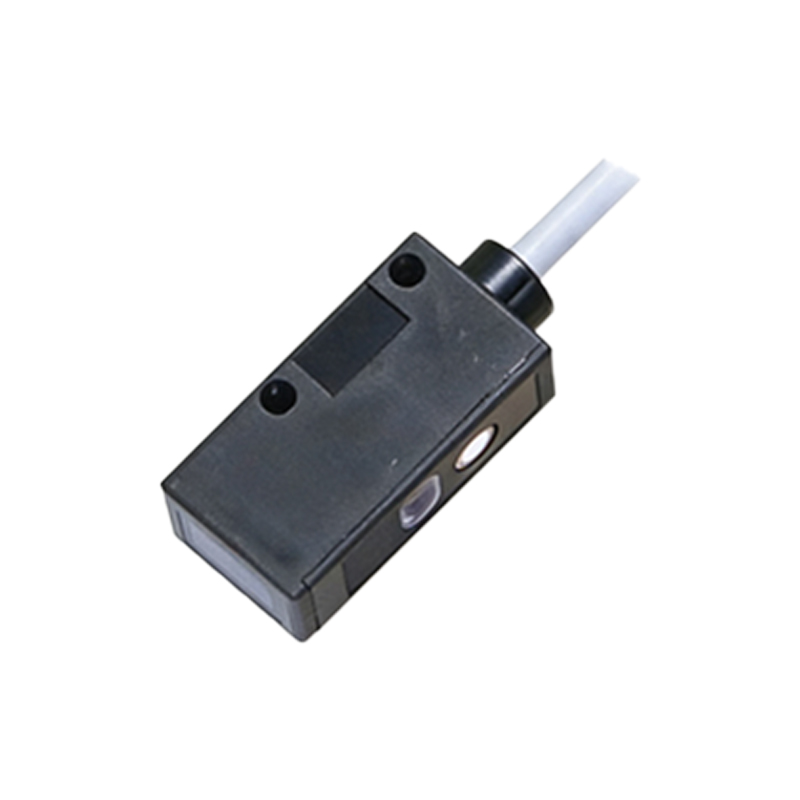
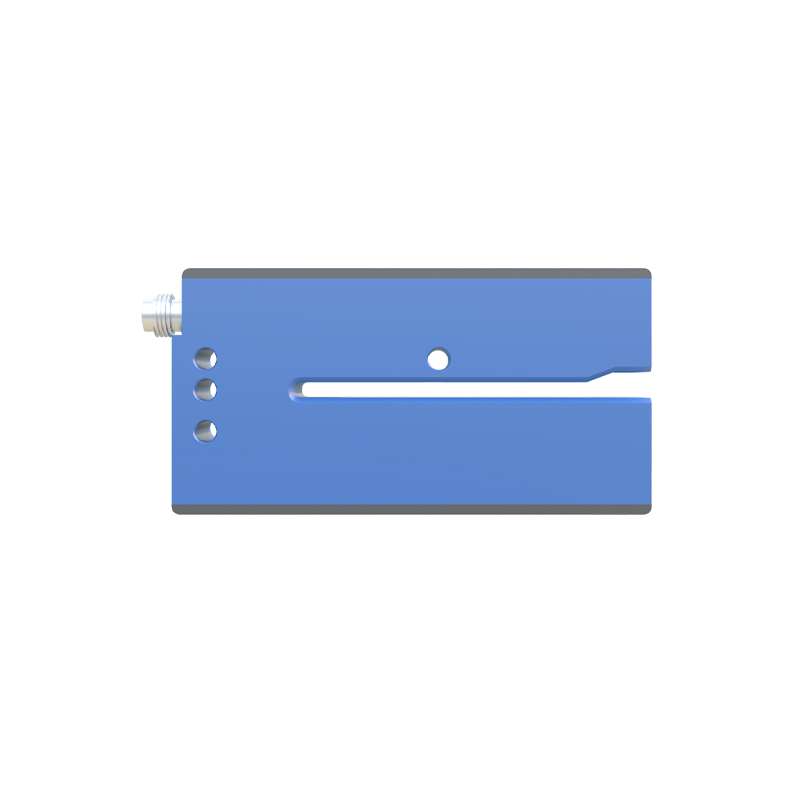
Photoelectric sensors function by emitting a light beam (usually infrared or visible red) and detecting changes in the received signal. In through-beam sensors, the emitter and receiver are separate units; when an object breaks the beam, the receiver triggers a switch. Retro-reflective sensors use a reflector, while diffused sensors rely on the target’s reflectivity. For curtain control, diffused sensors are often preferred due to their simplicity, as they detect the curtain fabric’s presence without requiring alignment. The sensor outputs a logic signal (e.g., 24V DC or NPN/PNP) to a relay or microcontroller, which actuates the motor driving the curtain rail.
System Architecture and Integration
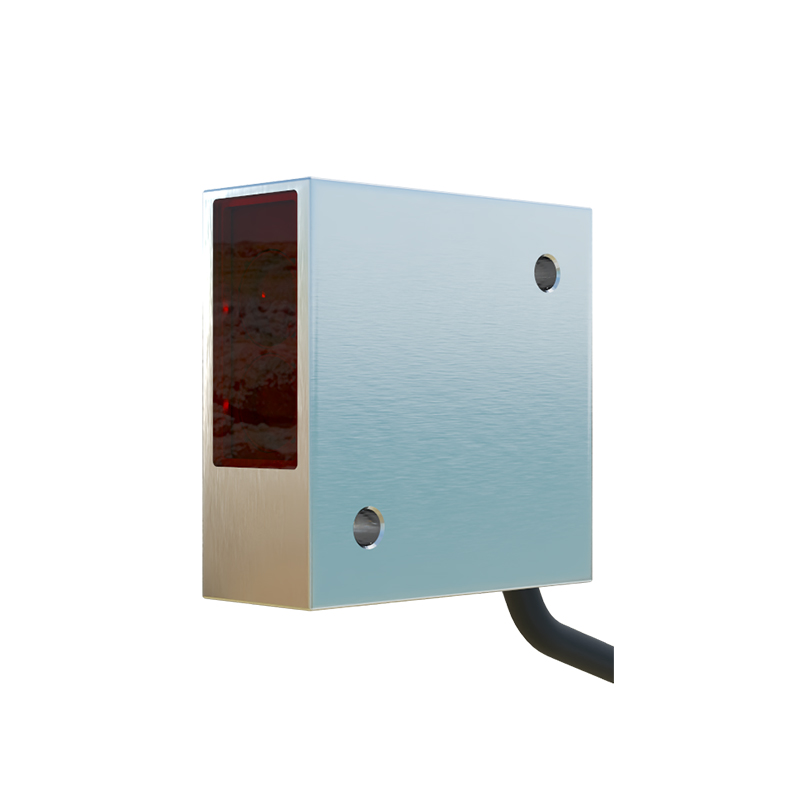
A typical photoelectric curtain control system includes a sensor module, a control unit (PLC or microcontroller), a motor driver (e.g., H-bridge), and the curtain motor. The sensor is mounted near the curtain’s endpoints (fully open or closed positions). When the curtain reaches the end, it blocks the sensor beam, causing the control unit to stop the motor. For dual-direction operation, two sensors are used: one for the open limit and one for the closed limit. Engineers must consider wiring distance, noise immunity (via shielded cables), and power supply stability to prevent false triggers. Communication protocols like RS-485 or CAN bus can be implemented for centralized control in larger installations.
Calibration and Sensitivity Adjustment
Calibration is essential for reliable operation, especially in environments with ambient light interference. Most photoelectric sensors feature a potentiometer or digital interface to adjust sensitivity. For curtain control, set the sensitivity threshold so that the sensor only responds to the curtain material (typically fabric or plastic) and ignores dust, shadows, or light reflections. A common practice is to perform a “teach-in” procedure: manually move the curtain to the desired position, then adjust the sensor’s output until it switches reliably. Engineers should also use a delay timer (e.g., 50-100 ms) to debounce the sensor signal, preventing false triggers from curtain movement oscillations.
Common Applications and Troubleshooting Tips
Photoelectric curtain control is widely used in conference rooms, hospitals, and residential smart homes. For instance, in an office setting, sensors can automate blinds based on sunlight intensity, reducing energy costs. Troubleshooting common issues includes: (1) False triggering due to reflective surfaces near the sensor—install a shield or adjust the mounting angle. (2) No response when the curtain is present—check the sensor’s alignment or replace a damaged lens. (3) Intermittent operation—verify the power supply voltage (e.g., 10-30V DC) and inspect for loose connections. Additionally, use an oscilloscope to analyze the sensor’s output waveform for noise anomalies.
Future Trends and Design Considerations
Advancements in photoelectric technology include fiber-optic sensors for harsh environments and IO-Link sensors for real-time diagnostics. When designing a new system, engineers should select sensors with an IP rating suitable for the location (e.g., IP67 for outdoor curtains) and consider fail-safe modes: in case of sensor failure, the curtain should default to a safe position (e.g., open for fire safety). By integrating photoelectric sensors with IoT platforms, engineers can enable remote monitoring and predictive maintenance, enhancing system longevity.