Introduction to Photoelectric Sensors in Harsh Environments
In modern industrial automation, photoelectric sensors play a critical role in object detection, positioning, and counting. However, standard sensors often suffer from performance degradation due to ambient light noise, electromagnetic interference (EMI), and dust or fog. Stable anti-interference photoelectric sensors are specifically engineered to maintain reliable operation under such challenging conditions. As an electrical engineer, I have seen how these sensors reduce false triggers and downtime in production lines, making them indispensable for high-precision applications.
Key Design Principles for Anti-Interference Capability
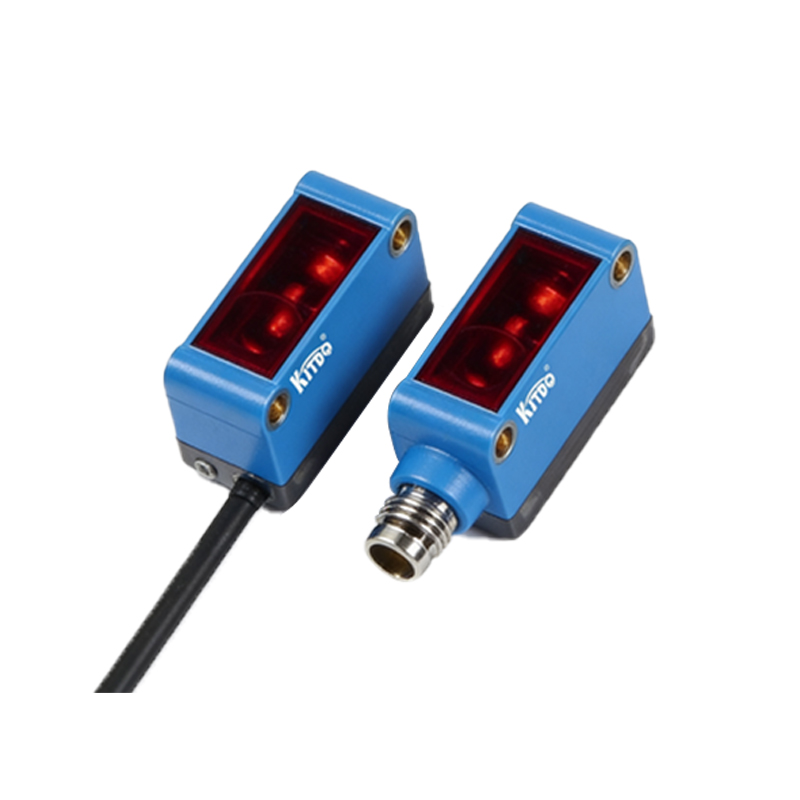
The core of a stable anti-interference sensor lies in its optical and electronic design. First, modulated infrared or visible light is used to distinguish the sensor’s emission from background light sources. Second, advanced digital filtering algorithms, such as adaptive threshold control, eliminate noise from power supply fluctuations and nearby machinery. Third, a shielded housing and twisted-pair wiring minimize EMI pickup. These combined features ensure that the sensor outputs a clean, consistent signal even in factories with welding arcs, variable lighting, or motor drives.
Common Interference Sources and Mitigation Techniques
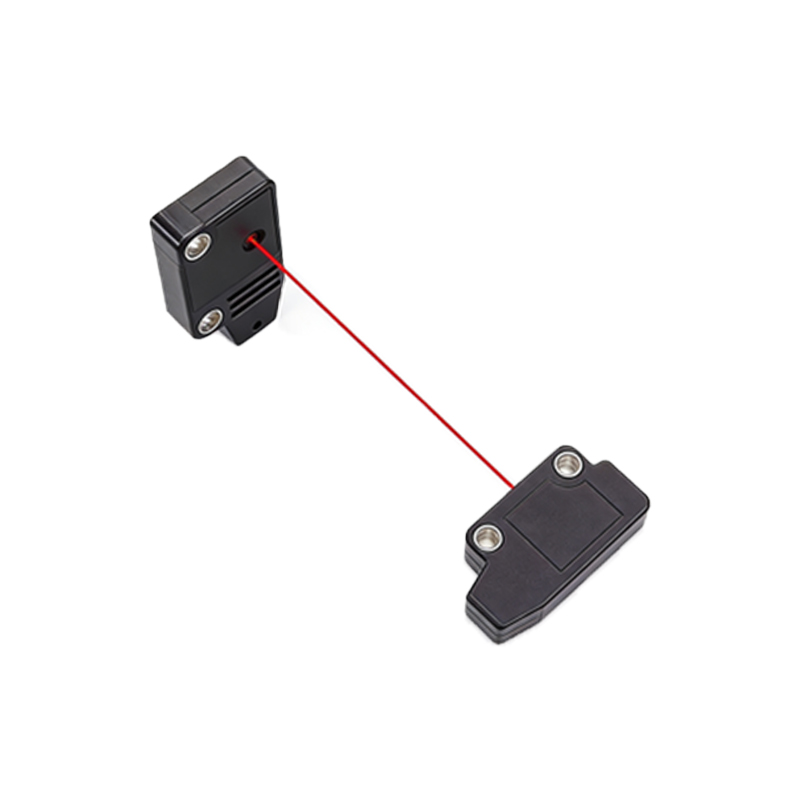
Typical interference sources include sunlight, incandescent lamps, fluorescent ballasts, and high-frequency switching power supplies. For stable operation, sensors employ synchronous detection, where the receiver only responds to light pulses matching the transmitter’s frequency. Additionally, some models incorporate a built-in lens hood to block off-axis stray light. For severe EMI environments, adding ferrite cores on sensor cables or using fiber-optic extensions can further suppress noise. These techniques result in a high signal-to-noise ratio (SNR), ensuring reliable detection from 0.1 meters to over 30 meters depending on the sensor type.
Selecting the Right Sensor for Your Application
When choosing a stable anti-interference photoelectric sensor, consider the sensing range, output type (NPN/PNP, analog, IO-Link), and environmental rating (IP67 or higher). For dusty environments, a diffuse reflective sensor with a strong beam works best. For transparent object detection, a retro-reflective model with a polarizing filter is recommended. Always verify the sensor’s immunity to ambient light (e.g., 50,000 lux for sunlight) and its compliance with industrial standards such as IEC 60947-5-2. Proper selection prevents frequent maintenance and improves overall system stability.
Real-World Performance and Maintenance Tips
In field installations, I advise performing a noise floor test during commissioning to check for interference. Mount sensors away from direct sunlight or cooling fans, and use shielded cables with proper grounding. For long-term stability, clean the lens regularly and inspect for vibration-related misalignment. Modern sensors with IO-Link capability allow remote diagnostics, helping engineers quickly identify intermittent interference. The payoff is a significant reduction in false trips and increased productivity, as observed in automotive assembly and packaging lines.
Conclusion: Enhancing Reliability with Advanced Sensors
Stable anti-interference photoelectric sensors are not just a luxury but a necessity for modern industrial environments. By incorporating modulation, filtering, and robust physical design, these sensors deliver accurate detection without being deceived by ambient light or electrical noise. Investing in high-quality sensors and following best installation practices will save time and costs in the long run. As technology evolves, we can expect even smarter sensors with adaptive algorithms to further enhance industrial reliability.