Introduction to Photoelectric Sensors in Military Applications
Photoelectric sensors are critical components in modern military systems, enabling precise detection, ranging, and communication in harsh environments. Unlike civilian variants, military-grade sensors operate at specific wavelengths optimized for stealth, resilience, and compatibility with defense infrastructure. This article explores the technical nuances of military wavelengths for photoelectric sensors, focusing on infrared (IR) and ultraviolet (UV) bands, and their deployment in target acquisition, surveillance, and countermeasure systems.
Key Military Wavelengths: Why 1.55 µm and 3-5 µm Dominate
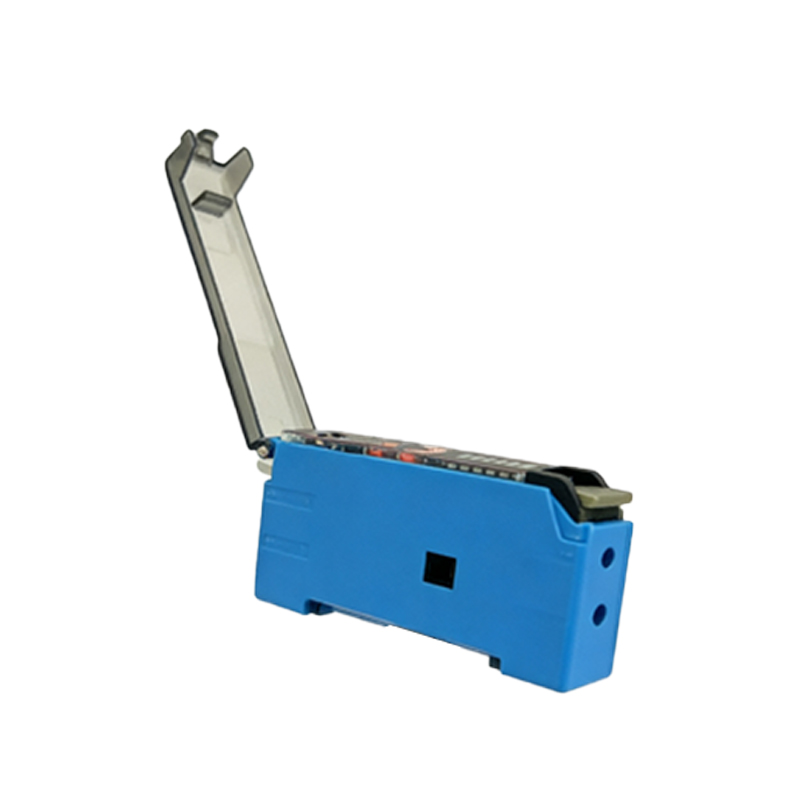
The 1.55 micrometer wavelength is a staple in military photoelectric sensors due to its eye-safe properties and low atmospheric attenuation. This wavelength aligns with fiber-optic communication standards, allowing integration with existing military networks. For long-range detection, the mid-wave infrared (MWIR) band (3-5 µm) is preferred, as it penetrates smoke, dust, and fog better than shorter wavelengths. Additionally, these wavelengths are less susceptible to jamming from common laser dazzlers, enhancing operational security.
Stealth and Low-Probability-of-Intercept (LPI) Requirements
Military sensors must avoid detection by enemy electronic warfare systems. Wavelengths like 1.54 µm and 10.6 µm (CO2 laser band) are chosen for their low probability of interception, as they mimic natural background radiation. For example, 10.6 µm sensors are used in thermal imaging and laser designators, as their long-wave infrared (LWIR) signature blends with ambient thermal noise, making them challenging for enemy sensors to distinguish.
Integration with Night Vision and Thermal Systems
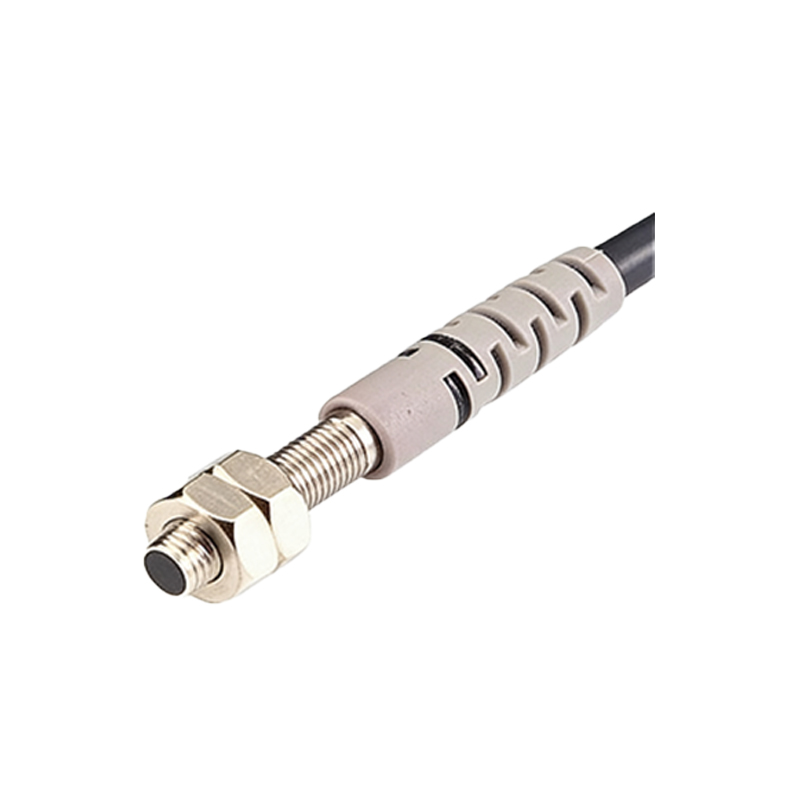
Military photoelectric sensors often operate in the near-infrared (NIR) band (0.8-1.2 µm) to complement night vision goggles (NVGs) and thermal cameras. Systems using 0.85 µm or 1.06 µm wavelengths allow covert illumination without visible light. However, these wavelengths require careful power management to avoid saturating sensitive detectors. Advanced sensors now incorporate dual-band capability (e.g., 1.55 µm and 3-5 µm) to switch between active and passive modes based on mission needs.
Countermeasure Resistance and Hardening Techniques
Military sensors must withstand enemy countermeasures like laser dazzlers and smoke screens. Wavelengths in the short-wave infrared (SWIR) band (1-2.5 µm) are less affected by obscurants and can be tuned to avoid known jamming lasers. For instance, sensors operating at 1.57 µm are resistant to common 1.06 µm counter-laser systems. Additionally, frequency-hopping techniques and narrowband filters are employed to reject interference while maintaining detection accuracy.
Future Trends: Quantum and Multi-Spectral Sensors
Emerging military photoelectric sensors are exploring quantum cascade lasers (QCLs) at 4.3 µm and 8-12 µm for multi-spectral targeting. These wavelengths enable simultaneous detection of biological agents, explosives, and thermal signatures. The trend is toward adaptive wavelength selection using micro-electromechanical systems (MEMS) that can switch between 1.55 µm, 3-5 µm, and 8-12 µm bands in real-time, providing unmatched versatility in contested environments.
Conclusion
The choice of military wavelength for photoelectric sensors is a balance of physics, stealth, and operational requirements. From eye-safe 1.55 µm for communication to stealthy 10.6 µm for targeting, each band serves a distinct purpose. As threats evolve, multi-spectral and quantum-based sensors will redefine the battlefield, offering greater resilience against electronic warfare. Engineers must stay abreast of wavelength-specific limitations and advantages to design next-generation defense systems.