Introduction to Photoelectric Sensors
Photoelectric sensors are critical components in modern industrial automation, used to detect the presence, absence, or distance of objects through light emission and reception. As an electrical engineer, I have seen how selecting the right sensor type can optimize production efficiency and reduce downtime. This guide focuses on the three primary categories: through-beam, retro-reflective, and diffuse reflective sensors. Each has unique principles and applications, suited for different environments and object characteristics.Through-Beam Sensors: High Reliability for Long-Distance Detection
Through-beam sensors consist of a separate emitter and receiver, aligned face-to-face. The emitter sends a continuous light beam to the receiver. When an object interrupts this beam, the sensor triggers an output. This design offers the longest sensing range, often up to 30 meters, and high immunity to contamination, such as dust or fog, because the light path is direct. Key applications include counting boxes on conveyors, detecting small parts in assembly lines, and safety barriers in high-speed packaging. However, installation requires precise alignment, and the emitter and receiver need separate cabling, which can be a drawback in tight spaces. For instance, in a automotive plant, through-beam sensors are ideal for monitoring part flow on long tracks where reliability is paramount.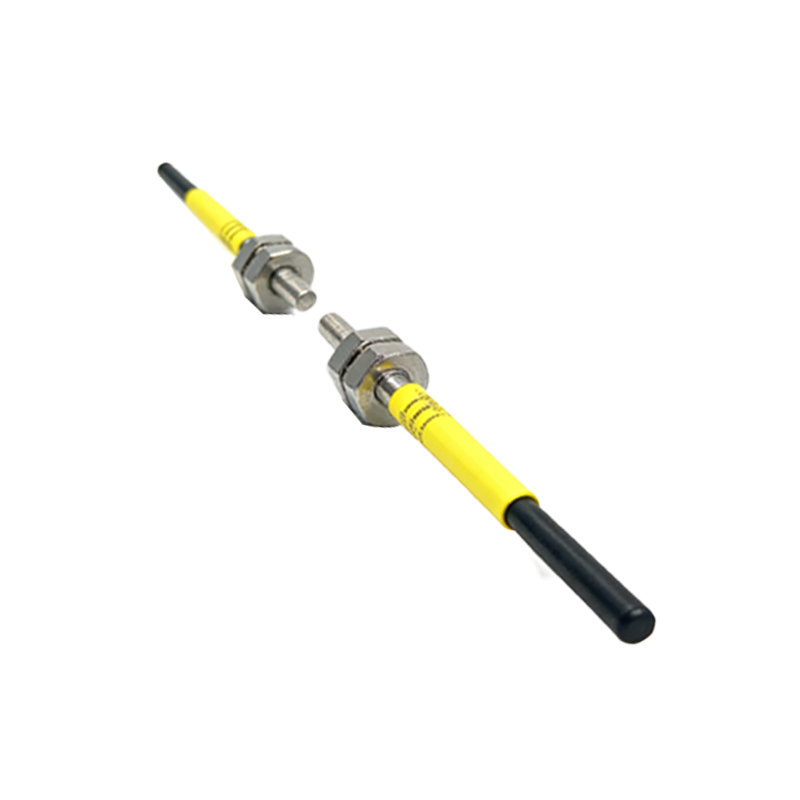
Retro-Reflective Sensors: Versatile and Easy to Install
Retro-reflective sensors combine the emitter and receiver in a single housing, using a reflector placed opposite to bounce the light beam back. When an object blocks the reflected light, detection occurs. This type offers a moderate sensing range, typically up to 10 meters, and simplifies installation compared to through-beam, as only one power cable and a reflector are needed. It is highly effective for transparent objects, like glass bottles or plastic films, due to polarization filters that reduce false triggers from shiny surfaces. Common uses include detecting packages on conveyor belts in food processing or guiding robots in warehouse automation. For example, in a beverage filling line, retro-reflective sensors reliably count clear bottles without interference from ambient light.Diffuse Reflective Sensors: Compact and Flexible for Close-Range Tasks
Diffuse reflective sensors also have the emitter and receiver in one unit, but they detect light reflected directly off the object’s surface, requiring no separate reflector. This makes them compact and easy to mount in confined spaces. Their sensing range is limited, usually up to 1 meter, and depends on the object’s color, reflectivity, and texture. Dark or matte objects reduce range, while bright or glossy surfaces extend it. These sensors excel in applications like detecting small components on vibratory feeders, counting bottles in a labeling machine, or trigger presence in pick-and-place robots. For instance, in an electronics assembly line, diffuse sensors precisely detect circuit boards on a conveyor, despite varying colors, by fine-tuning sensitivity settings.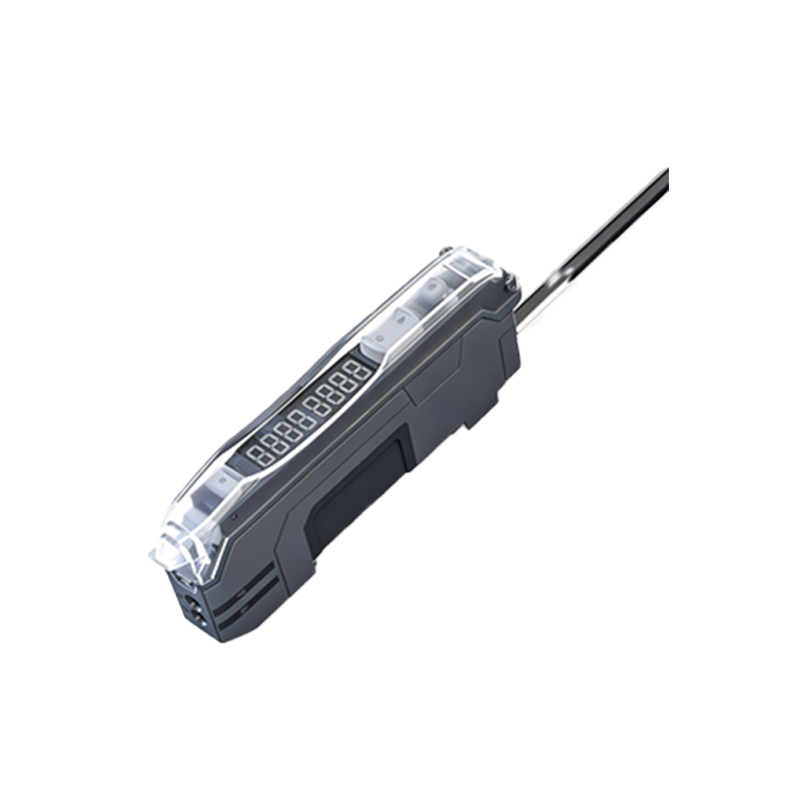
Selecting the Right Sensor for Your Application
Choosing among these three types requires analyzing your specific needs:- For long distances and harsh environments, use through-beam sensors.
- For transparent objects and easy installation, opt for retro-reflective sensors.
- For compact spaces and close-range detection, choose diffuse reflective sensors.
Consider factors like ambient light, target material, and required response time. As an engineer, I always test with actual components to confirm performance before full deployment, ensuring minimal maintenance and maximum uptime.