Introduction to Powder-Compact Photoelectric Sensors
In the rapidly evolving field of industrial automation, sensor reliability and space efficiency are paramount. Powder-compact photoelectric sensors, often referred to as "powder box" sensors, represent a specialized class of sensing devices designed for confined spaces and harsh environments. Unlike traditional bulky sensors, these units utilize advanced optical and electronic packaging to deliver high performance in minimal footprint. Their robust construction makes them ideal for applications in conveyor systems, packaging machinery, and material handling.
Key Design Features and Working Principle
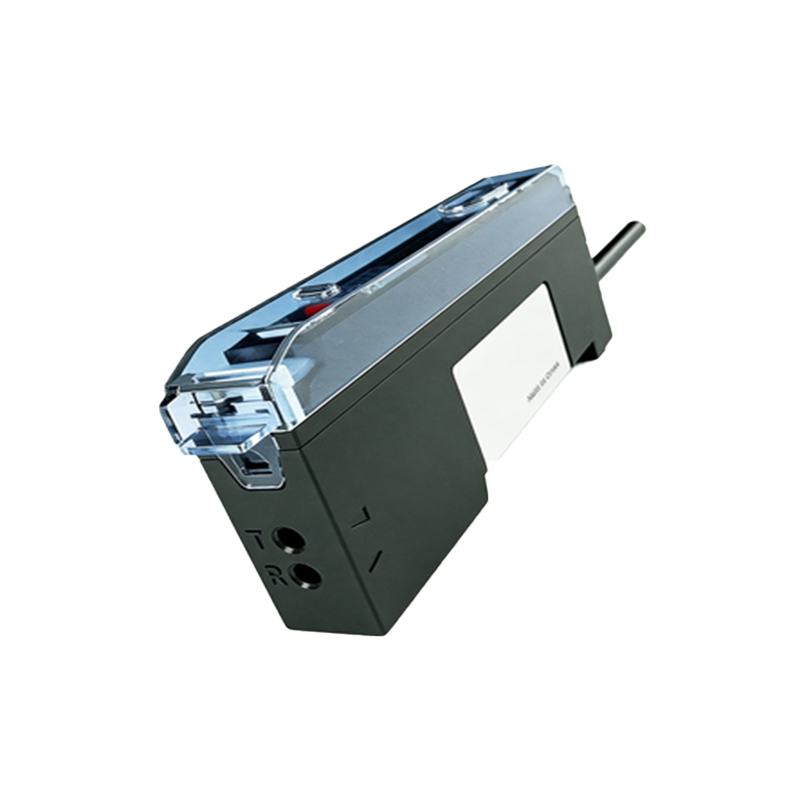
These sensors operate on the principle of either through-beam, retro-reflective, or diffuse sensing. The "powder box" design integrates a high-intensity LED emitter and a phototransistor receiver into a single, sealed housing with IP67 or higher ingress protection. The compact form factor is achieved through surface-mount technology and miniaturized optics, allowing for detection ranges from 100mm to 2 meters depending on the model. A key characteristic is the use of modulated infrared or visible red light to filter out ambient light interference, ensuring stable detection even in dusty or low-light conditions.
Application Scenarios in Industrial Settings
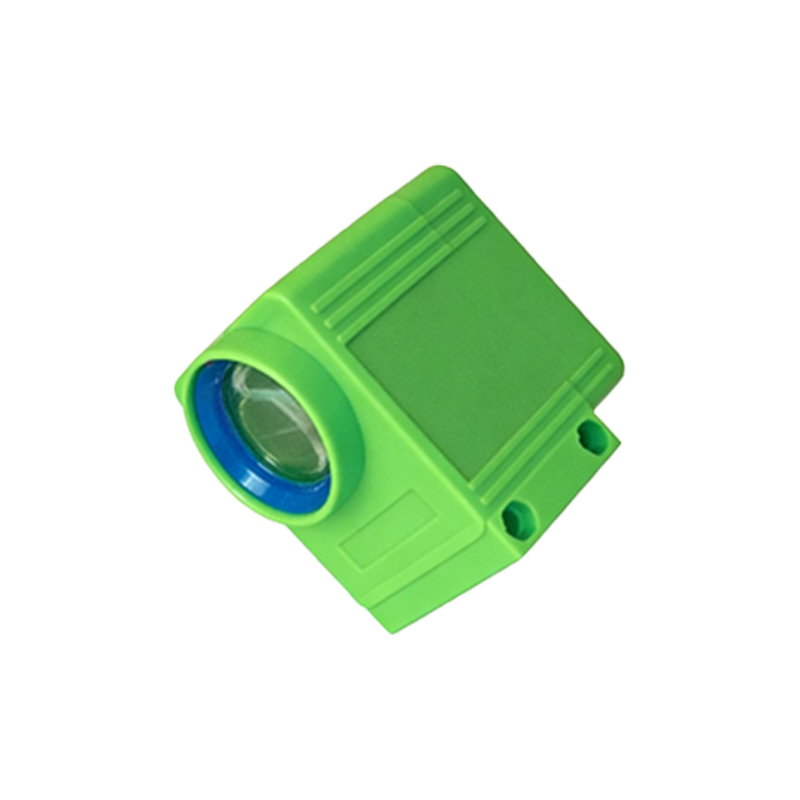
In assembly lines, powder-compact sensors are frequently used for object presence detection on high-speed conveyors. Their small size allows them to be mounted between rollers or inside tight machine frames. For example, in automotive parts manufacturing, these sensors reliably detect metallic and non-metallic components without physical contact, reducing wear and maintenance. They also excel in packaging applications where space is at a premium, such as detecting bottle caps or labels on high-speed filling machines. Additionally, their sealed design makes them suitable for washdown environments in food processing.
Performance Advantages Over Traditional Sensors
Compared to standard photoelectric sensors, powder-compact units offer a 30-50% reduction in installation depth. This allows engineers to retrofit existing machinery without major mechanical modifications. They consume lower power, typically below 20mA, and feature faster response times down to 1ms. The integrated electronics also provide short-circuit protection and reverse polarity protection, enhancing system reliability. With an average operational lifetime exceeding 50,000 hours under continuous use, these sensors reduce total cost of ownership.
Selection Criteria for Engineers
When selecting a powder-compact photoelectric sensor, engineers should consider three primary factors: sensing distance, output type (NPN or PNP), and environmental rating. For dusty environments, a retro-reflective mode with a polarized filter is recommended to minimize false triggers from reflective surfaces. In wet conditions, models with IP69K rating are preferable. Cable length and connector type (M8, M12) also matter for easy integration into existing control cabinets. Always verify that the sensor's switching frequency matches the conveyor speed.
Installation and Maintenance Best Practices
Proper installation begins with aligning the sensor axis perpendicular to the target surface for diffuse models. For through-beam pairs, ensure the emitter and receiver are perfectly aligned within a 2-degree tolerance. Use brackets that provide vibration damping to prevent misalignment. Periodic cleaning of the lens with a soft, lint-free cloth is essential in dusty conditions, but never use abrasive cleaners. Most modern sensors include a self-diagnostic LED that indicates contamination or misalignment, simplifying troubleshooting.
Future Trends and Integration with IIoT
The next generation of powder-compact sensors is incorporating IO-Link communication, enabling real-time parameter adjustment and predictive maintenance data. This allows factory floor engineers to monitor sensor health remotely and adjust sensitivity without physical access. Combined with edge computing, these smart sensors can reduce downtime by 15-20% in automated factories. As Industry 4.0 demands smaller, smarter components, powder-compact photoelectric sensors will continue to evolve, offering even higher resolution and lower energy consumption.