Introduction to Color Photoelectric Sensors
Color photoelectric sensors are critical components in modern industrial automation, enabling precise detection and differentiation of colors for quality control, sorting, and packaging applications. For electrical engineers and procurement specialists, selecting the right manufacturer is paramount to ensuring system reliability, accuracy, and cost-efficiency. This article ranks the top 10 global manufacturers based on technical innovation, product range, market reputation, and customer support. Each entry provides insights into their strengths and key products.
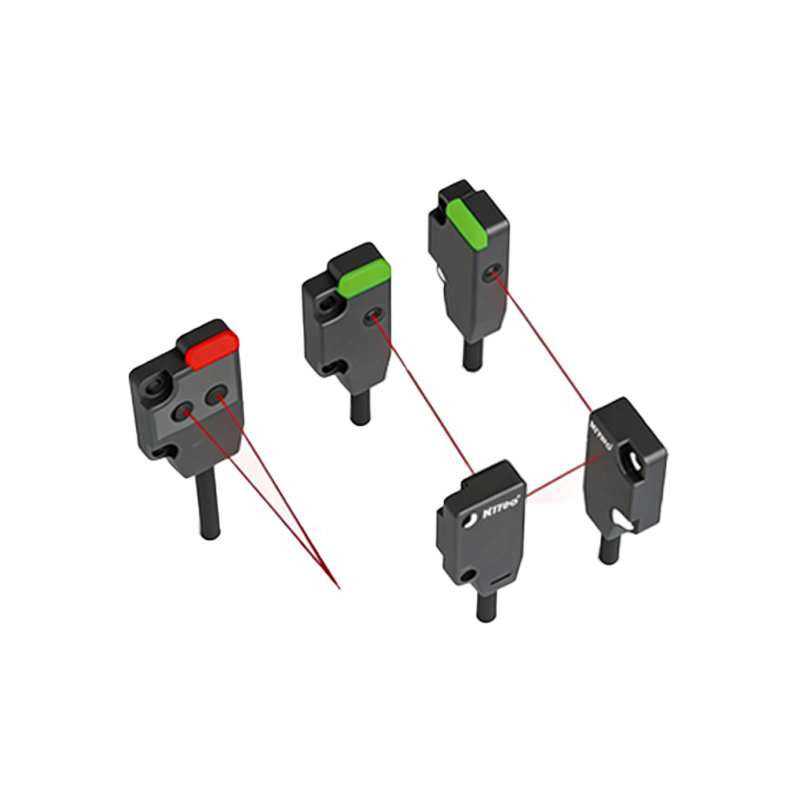
1. Keyence Corporation – The Global Leader in Sensing Technology
Keyence, headquartered in Japan, dominates the color sensor market with its renowned CZ-V20 and LR-Z series. These sensors offer high-speed detection (up to 50 kHz) and superior color resolution (16-bit). Keyence excels in R&D, providing advanced digital interfaces and software for easy integration. Their compact designs and robust IP67 housings make them ideal for harsh environments. For engineers requiring top-tier performance, Keyence is the benchmark.
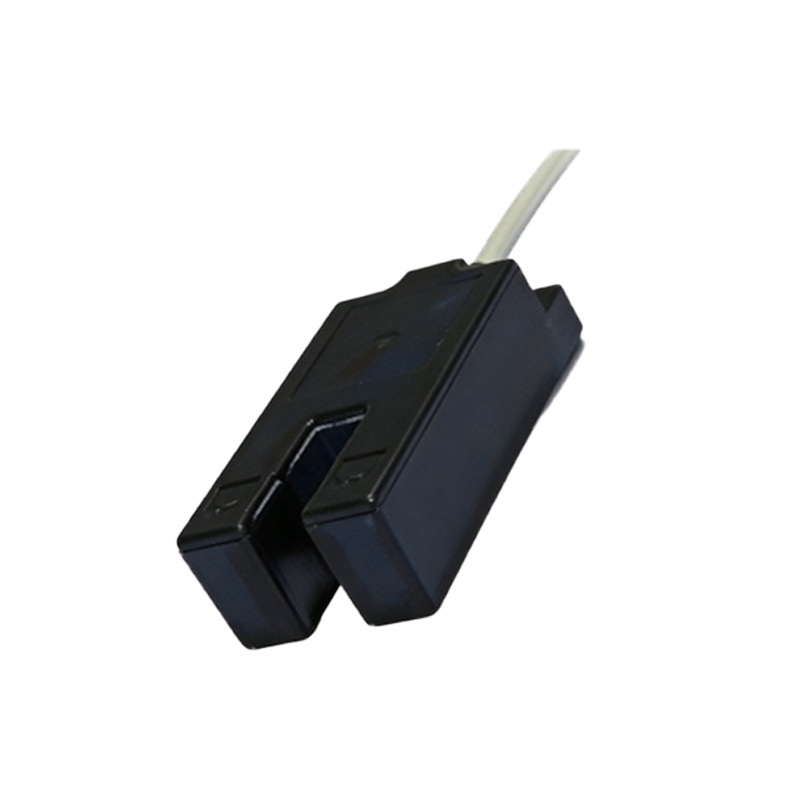
2. SICK AG – Precision and Durability for Industrial Use
German manufacturer SICK is a trusted name for color sensors like the CSM and KTS series. SICK sensors feature true-color detection with white light LED technology, ensuring consistent results across varied lighting conditions. They offer versatile connectivity options including IO-Link and Ethernet/IP. SICK’s sensors are widely used in automotive and food processing, with a strong focus on long-term reliability.
3. Banner Engineering – Smart Solutions for Dynamic Environments
Based in the USA, Banner Engineering’s QS30 series and iVu color sensors are known for their user-friendly programming and advanced diagnostics. Banner integrates smart features like touch-screen interfaces and remote monitoring capabilities, reducing downtime. Their sensors support multiple color recognition modes, making them suitable for complex sorting tasks in logistics and pharmaceutical industries.
4. Omron Corporation – Automation Excellence with Color Vision
Omron, a Japanese giant, offers the E3X-NA and ZFX series color sensors, which combine high-speed processing with machine vision capabilities. Omron’s sensors excel in detecting subtle color variations, aided by proprietary algorithms. They are ideal for applications requiring high-precision color matching, such as electronics assembly. Omron’s global support network is a key advantage for multinational projects.
5. Balluff GmbH – Robust Sensors for Harsh Industrial Conditions
Balluff’s BVS and BES series color sensors are engineered for durability, featuring metal housings and resistance to contaminants. Their sensors utilize advanced sensor-to-cloud connectivity, enabling real-time data analysis. Balluff is a preferred choice for heavy machinery and mining sectors, where environmental resilience is critical.
6. Pepperl+Fuchs – Versatile Color Detection Solutions
German manufacturer Pepperl+Fuchs provides a wide range of color sensors such as the ML100 and GLV series. These sensors offer programmable output modes and fast response times (below 500 microseconds). They are particularly effective in packaging and labeling applications, with options for background suppression and color contrast detection.
7. Turck GmbH – Compact and Cost-Effective Sensors
Turck, also from Germany, focuses on compact, budget-friendly color sensors like the Q90 and B10 series. Despite lower cost, they deliver reliable performance for basic color detection tasks in assembly lines and conveyor systems. Turck’s sensors often feature integrated logic functions, simplifying system design.
8. IFM Electronic – Intuitive Sensors with High Accuracy
IFM, based in Germany, is renowned for its O2I and OB500 series color sensors, which combine intuitive setup wizards with high-resolution color detection. IFM sensors support multiple color channels and are suitable for applications in printing and textile industries. Their rugged design ensures minimal maintenance.
9. Rockwell Automation (Allen-Bradley) – Integrated Color Sensing with PLCs
Rockwell’s Allen-Bradley 45ML series color sensors integrate seamlessly with ControlLogix and CompactLogix PLCs. They provide advanced color recognition algorithms and are ideal for large-scale manufacturing systems. Rockwell offers extensive software tools for sensor configuration and diagnostics, enhancing system efficiency.
10. Panasonic Industrial Devices – Affordable and Reliable Options
Panasonic’s HG-C and CX-400 series color sensors offer a balance between price and performance. These sensors are popular in light industrial applications like food sorting and product inspection. Panasonic provides comprehensive documentation and technical support, making them a solid choice for small to medium enterprises.
Conclusion: Choosing the Right Manufacturer
Selecting a color photoelectric sensor manufacturer depends on specific application requirements, including detection speed, environmental conditions, budget, and integration needs. Keyence and SICK lead in high-end applications, while Turck and Panasonic offer cost-effective solutions. For engineers, evaluating factors such as sensor resolution, connectivity, and after-sales support is essential. The above ranking, based on industry feedback and technical specifications, serves as a reliable starting point for procurement decisions.