Introduction to Anzhi Photoelectric Sensors
In modern industrial automation, precision and reliability are paramount. Anzhi photoelectric sensors represent a cutting-edge solution for object detection, positioning, and distance measurement. These sensors utilize light beams, typically infrared or visible light, to detect the presence or absence of objects without physical contact. As a seasoned electrical engineer, I have witnessed how Anzhi sensors outperform traditional mechanical switches in harsh environments, offering faster response times, longer lifespans, and superior accuracy. Whether in packaging lines, conveyor systems, or robotic assembly, these sensors are integral to optimizing production efficiency.
Working Principles and Key Technologies
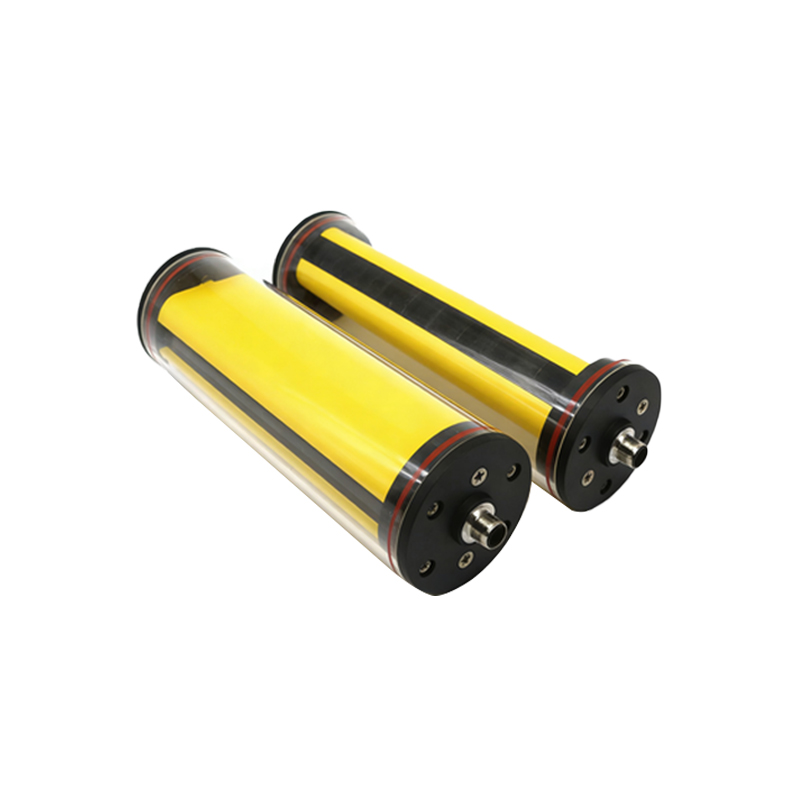
Anzhi photoelectric sensors operate on three primary modes: through-beam, retro-reflective, and diffuse reflection. In through-beam mode, a separate emitter and receiver detect objects when the light beam is interrupted, ideal for long-range applications up to 30 meters. Retro-reflective sensors use a reflector to bounce the beam back, suitable for mid-range detection with simplified wiring. Diffuse sensors rely on the object’s surface to reflect light, perfect for short-range tasks. Advanced models incorporate background suppression, immunity to ambient light, and adjustable sensitivity, ensuring stable performance even in dusty or high-vibration settings. These technologies minimize false triggers and maintenance downtime.
Application Scenarios in Industrial Settings
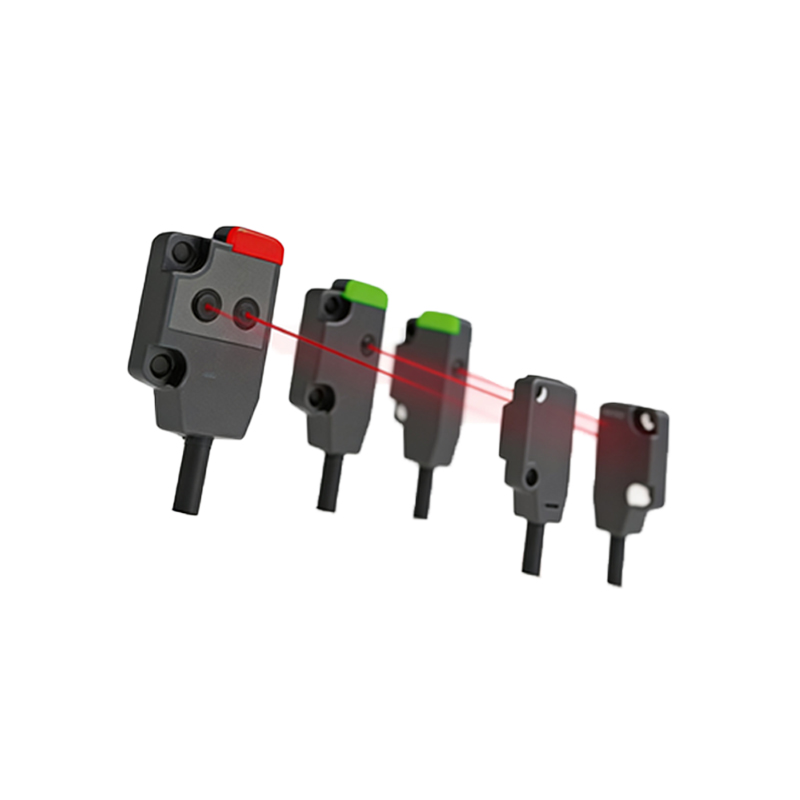
In my field experience, Anzhi sensors excel in diverse applications. For example, on automotive assembly lines, they verify component presence and alignment with micron-level precision. In food and beverage packaging, their IP67-rated housings withstand washdown environments, detecting clear bottles or transparent films without error. For logistics warehouses, through-beam sensors monitor pallet positions on conveyor belts, while diffuse models ensure accurate sorting. Additionally, in material handling, they trigger automated gates or safety interlocks, reducing manual intervention. Each scenario leverages the sensor’s adaptability to different target materials, colors, and speeds.
Installation and Calibration Best Practices
Proper installation is critical for optimal sensor performance. First, choose the correct mounting location to avoid interference from nearby machinery or reflective surfaces. For through-beam systems, align emitter and receiver precisely; misalignment can cause signal loss. Retro-reflective sensors require a clean reflector, free from debris, and a 15-degree tilt to prevent false reflections. During calibration, adjust the potentiometer or use IO-Link interfaces to set detection thresholds. I recommend conducting a test run with actual production objects, verifying response times under varying ambient light conditions. Regular cleaning of optical lenses and checking cable integrity can extend sensor life beyond 10 years.
Advantages Over Competing Technologies
Compared to capacitive or inductive sensors, Anzhi photoelectric sensors offer distinct benefits. They detect virtually any material—metal, plastic, glass, or liquid—without proximity limitations. Their non-contact nature eliminates wear, unlike mechanical limit switches. Furthermore, they operate at high switching frequencies, up to 1 kHz, enabling rapid cycle times in high-speed production. Cost-wise, Anzhi models provide excellent value with competitive pricing and low power consumption. For engineers facing challenging environments, such as extreme temperatures or corrosive chemicals, selecting a variant with reinforced cables and thermal stability ensures long-term reliability.
Future Trends and Integration with Industry 4.0
The evolution of Anzhi sensors aligns with smart factory demands. New models feature IO-Link communication, allowing real-time data exchange with PLCs or cloud platforms. This enables predictive maintenance, where sensor health metrics like signal strength or temperature are monitored remotely. I expect to see integration with vision systems and AI, where sensors not only detect but also classify objects. As industries push toward zero downtime, Anzhi’s self-diagnostic capabilities and rugged designs will be pivotal. Engineers should consider these sensors as foundational components for digital transformation in automation.
Conclusion
Anzhi photoelectric sensors are indispensable for modern engineers seeking efficiency, accuracy, and durability. By understanding their working principles, applications, and best practices, professionals can significantly reduce operational risks. For anyone upgrading an existing system or designing a new line, investing in these sensors is a strategic move toward enhanced productivity and future-proof automation.