Introduction to Super Photoelectric Sensors
Super photoelectric sensors are advanced optical devices widely used in industrial automation for object detection, distance measurement, and safety monitoring. Unlike traditional photoelectric sensors, these sensors leverage high-performance light sources, such as laser diodes or high-intensity LEDs, combined with sophisticated receiver circuits to achieve superior sensitivity, speed, and reliability. Their ability to detect minute objects over long distances or in harsh environments makes them indispensable in manufacturing lines, logistics, and process control.
Core Components and Working Mechanism
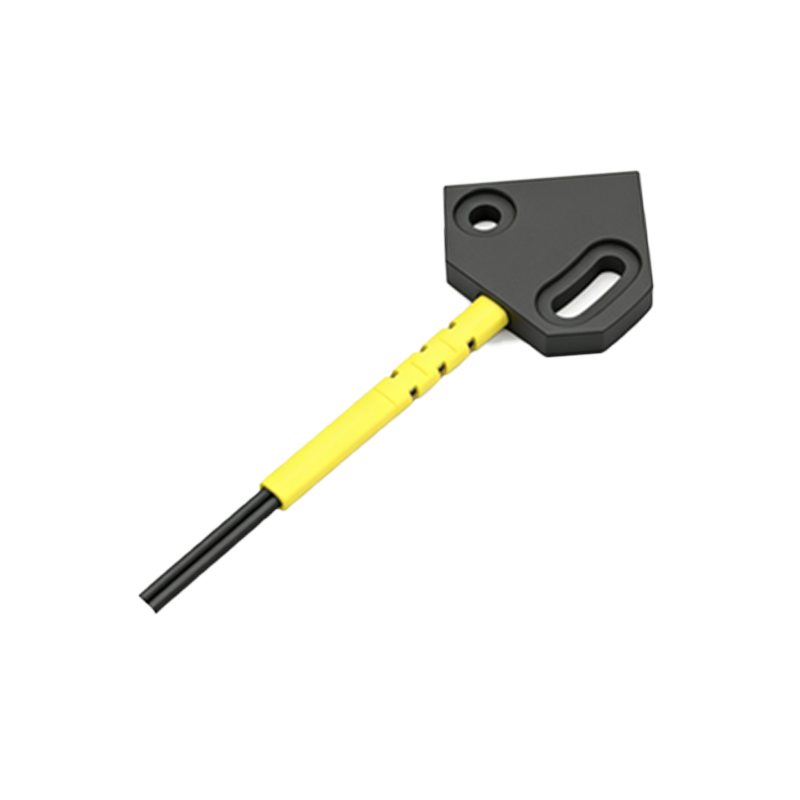
A super photoelectric sensor typically consists of a transmitter, a receiver, and a controller. The transmitter emits a focused beam of light, often modulated at a specific frequency to minimize interference from ambient light. The receiver captures the reflected or interrupted light signal, converting it into an electrical current. The controller processes this signal using algorithms like threshold comparison or time-of-flight measurement. For instance, in through-beam configurations, the sensor detects an object when the light path is blocked, while in retro-reflective setups, it relies on a reflector to bounce the beam back. The use of high-speed photodiodes and microprocessors enables response times in microseconds, crucial for high-speed assembly lines.
Advanced Techniques for Enhanced Performance
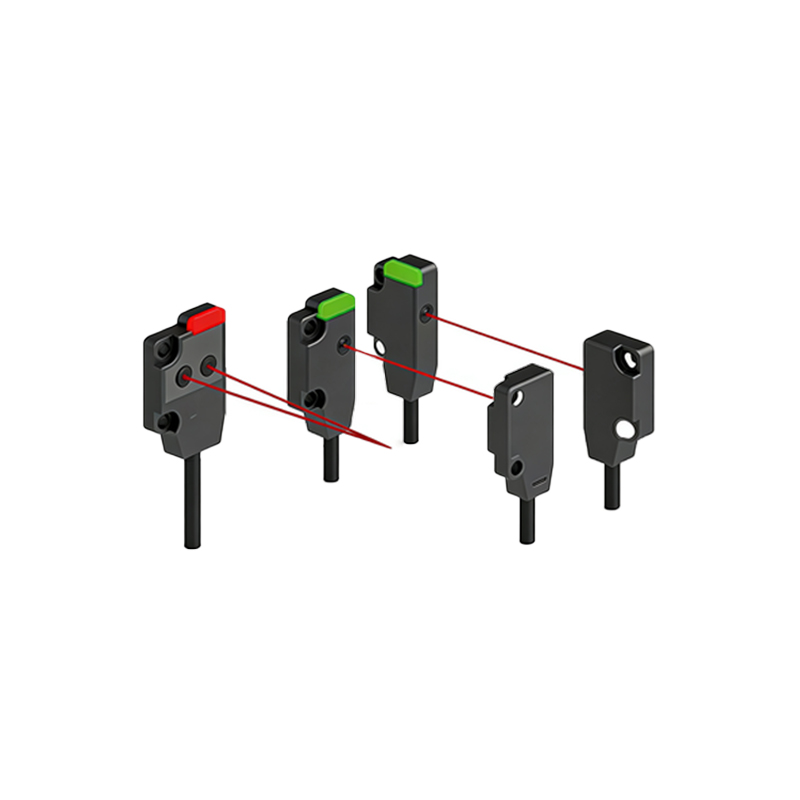
Key principles behind super photoelectric sensors include pulse modulation and background suppression. Pulse modulation involves emitting short, intense light pulses, allowing the receiver to distinguish the sensor’s signal from ambient noise. Background suppression, on the other hand, uses triangulation or light intensity analysis to ignore objects beyond a set detection range. This is particularly useful in complex environments with conveyor belts or reflective surfaces. Some models incorporate multi-emitter arrays to create a wide detection area, while others use polarized filters to handle shiny targets. These techniques ensure consistent operation even under dust, fog, or varying light conditions.
Applications and Industry Relevance
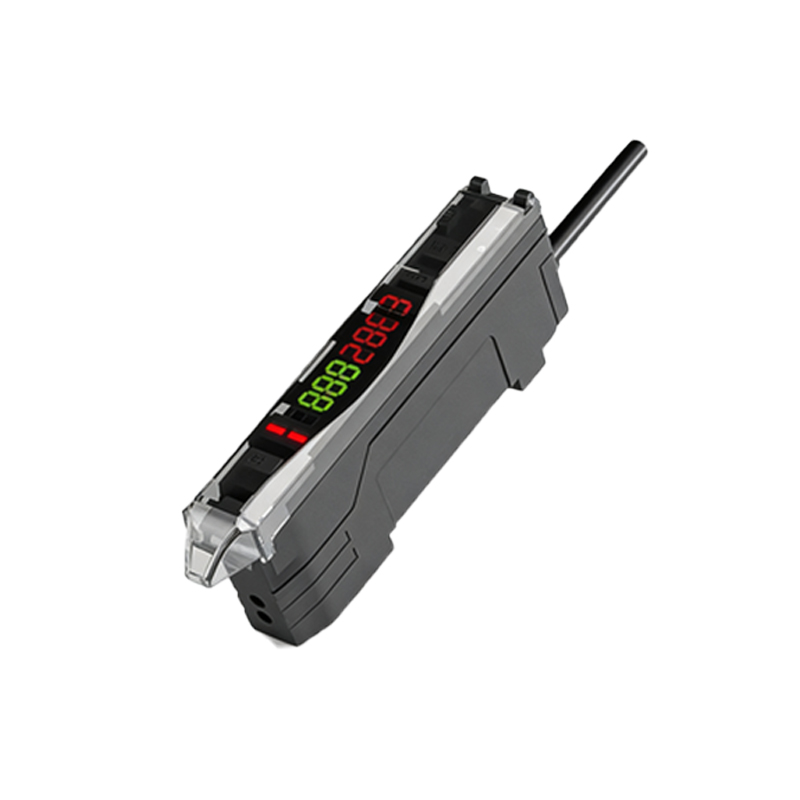
In industrial settings, super photoelectric sensors excel in tasks like detecting transparent bottles, counting small components, or positioning robotic arms. Their long-range capability (up to 100 meters for laser-based units) supports outdoor applications such as crane collision avoidance. Additionally, they are integral to safety systems, where they create light curtains to protect workers from machinery. The sensor’s self-diagnostic features, like signal strength monitoring, alert operators to potential failures, reducing downtime. With the rise of Industry 4.0, these sensors are increasingly integrated with IoT networks for real-time data analytics.
Conclusion and Future Trends
Understanding the principles of super photoelectric sensors is essential for optimizing automation systems. Future developments include the use of artificial intelligence for adaptive detection and compact designs with multi-wavelength capabilities. As manufacturing demands grow, these sensors will continue to evolve, offering higher precision and lower energy consumption. For engineers, selecting the right sensor involves evaluating factors like detection range, response time, and environmental resistance, ensuring seamless integration into existing control systems.