Introduction to Photoelectric Sensors
Photoelectric sensors are essential components in industrial automation, used for detecting objects, distances, and changes in light intensity. These devices rely on a light source, typically an LED or laser, and a photodetector to sense the presence or absence of an object. When combined with magnetic mounts, they offer flexible installation options in environments where traditional mounting methods are impractical.
The Core Principle of Photoelectric Sensing
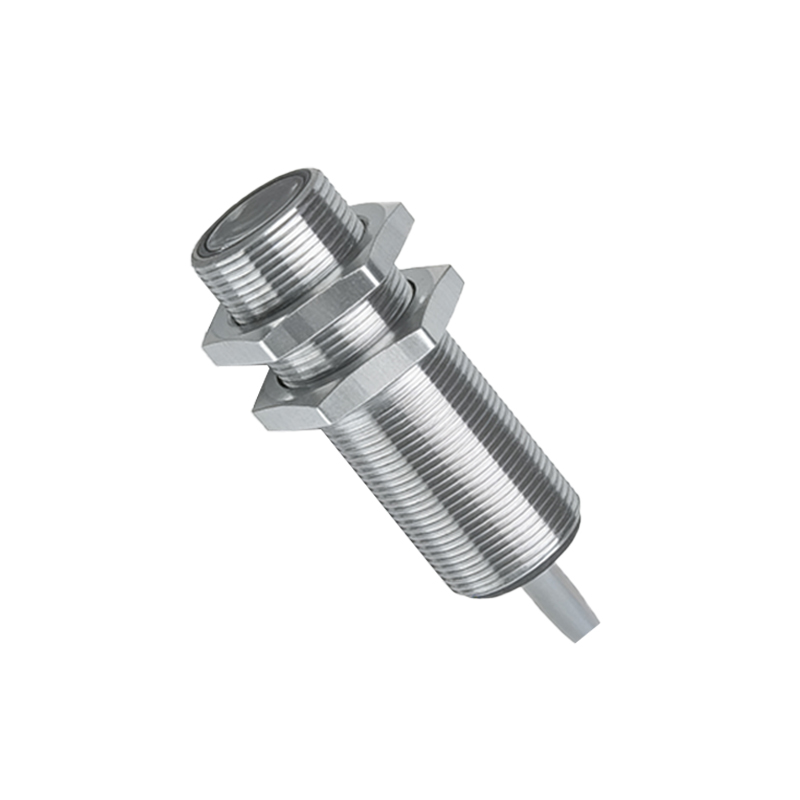
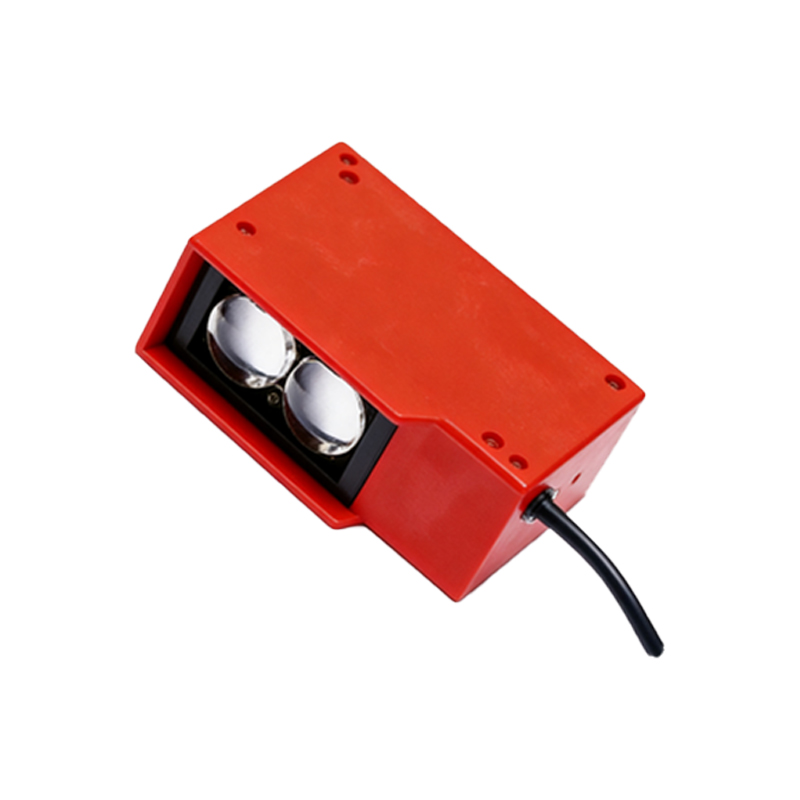
The fundamental principle involves emitting a beam of light, often infrared or visible, toward a target. The sensor detects changes in the received light signal based on the object’s reflectivity, opacity, or position. There are three common modes: through-beam, retro-reflective, and diffuse. In through-beam mode, the emitter and receiver are separate, and the object breaks the light path. Retro-reflective sensors use a reflector to bounce the light back, while diffuse sensors rely on the object itself to reflect light to the detector.
Role of Magnetic Mounts in Sensor Integration
Magnetic mounts are engineered to provide secure, adjustable positioning for photoelectric sensors in harsh industrial settings. These mounts typically consist of a strong permanent magnet, often neodymium, encased in a durable housing with a swivel or bracket for the sensor. The magnetic base allows rapid attachment to ferrous surfaces, eliminating the need for drilling or permanent fixtures. This capability is vital in conveyor systems, robotic arms, or modular production lines where frequent repositioning is required.
How the Magnetic Mount Enhances Sensing Accuracy
The magnetic mount stabilizes the sensor by absorbing vibrations and maintaining alignment with the target. For example, in a diffuse sensor setup, precise angular adjustment is critical to ensure the emitted light hits the object and reflects effectively. The mount’s magnetic force, often rated in Newtons, ensures the sensor remains fixed even under mechanical shock or continuous motion. This reduces false triggers and improves overall system reliability.
Selection Criteria for Magnetic Mounts
Choosing the right magnetic mount involves evaluating the sensor’s weight, the environmental conditions (e.g., temperature, moisture, and oil exposure), and the required holding force. For heavy sensors or high-vibration applications, a larger magnet with a higher pull force is necessary. Additionally, the housing material should be corrosion-resistant, such as stainless steel or coated aluminum. Compatibility with the sensor’s mounting thread (e.g., M12 or M18) is also critical for a secure fit.
Practical Applications in Industry
Photoelectric sensors with magnetic mounts are widely used in packaging, material handling, and automotive assembly. For instance, in a bottling line, these sensors can be quickly relocated to adjust detection points for different bottle sizes. In welding environments, they allow temporary placement on steel frames without permanent alterations, enabling flexible workflow changes.
Conclusion and Best Practices
Integrating magnetic mounts with photoelectric sensors offers a cost-effective, versatile solution for industrial automation. To maximize performance, always match the magnet strength to the application’s dynamics, verify the surface is clean and ferrous, and regularly inspect the mount for signs of wear or demagnetization. This approach ensures reliable detection and reduces downtime in complex manufacturing processes.