Understanding the Role of Universal Photoelectric Sensors in Automation
Universal photoelectric sensors are critical components in modern industrial automation, used for object detection, position sensing, and quality control. These sensors operate by emitting light beams and detecting changes in reflection or interruption, making them ideal for applications ranging from packaging lines to conveyor systems. A reliable manufacturer ensures that sensors deliver consistent performance, long service life, and compatibility with various control systems. For engineers, selecting the right supplier involves evaluating technical specifications such as sensing range, response time, and environmental resistance.
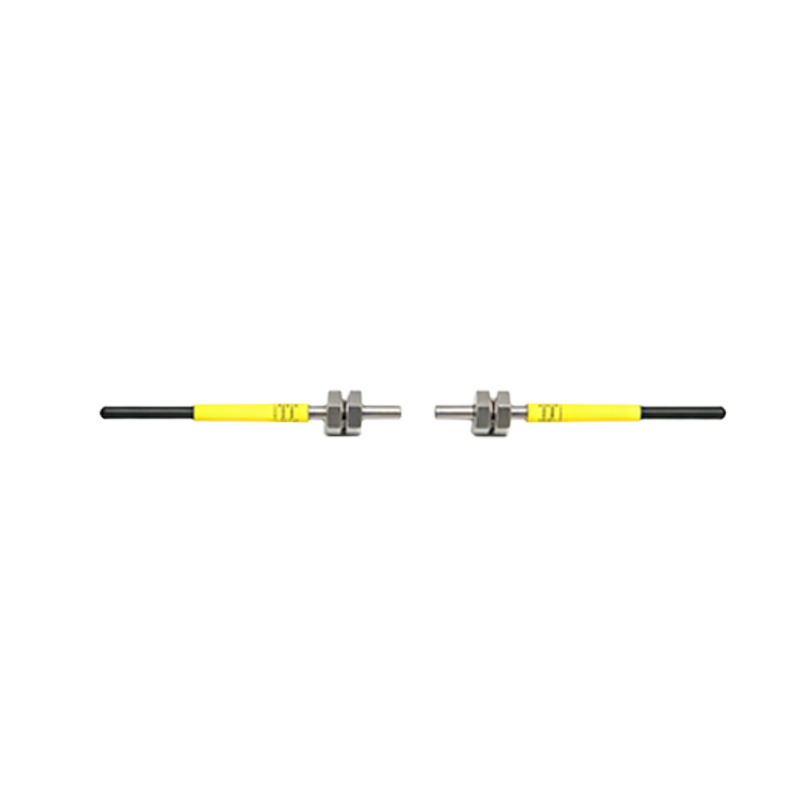
Key Factors in Evaluating a Photoelectric Sensor Supplier
When researching a universal photoelectric sensor sales company, focus on product quality and technical support. Look for manufacturers that offer sensors with IP67 or higher protection ratings for harsh environments, and those that provide multiple output types (PNP, NPN, analog). A reputable supplier should also have a diverse product line, including through-beam, retro-reflective, and diffuse reflective sensors. Check for certifications like CE, UL, or RoHS, which indicate compliance with international standards. Additionally, evaluate their inventory management and lead times to avoid production delays.
Benefits of Partnering with an Experienced Distributor
An established distributor of universal photoelectric sensors can offer significant advantages beyond price. They often provide technical documentation, application notes, and on-site troubleshooting to reduce installation errors. Many leading distributors also offer customization options, such as cable lengths, connector types, and mounting brackets, to fit specific machinery. For large-scale projects, a distributor with a global network ensures consistent supply chain and localized support, which is crucial for minimizing downtime in continuous manufacturing processes.
Common Applications and Sensor Selection Tips
In industries like automotive assembly, food processing, and logistics, universal photoelectric sensors are used for detecting transparent objects, small parts, or high-speed movements. For example, retro-reflective sensors are effective in dusty environments, while diffuse sensors work well for short-range detection. When selecting a sensor, consider factors like ambient light interference, target material, and mounting space. A knowledgeable sales team can help match sensor specifications to your specific application, reducing the risk of false triggers or missed detections.
Cost Considerations and Long-Term Value
While initial price is important, focus on total cost of ownership when choosing a universal photoelectric sensor supplier. Sensors with higher build quality often have lower failure rates and longer calibration stability, reducing maintenance costs over time. Some manufacturers offer warranty periods of 2-5 years and free replacement for defective units. Bulk purchasing agreements or annual contracts can also lower per-unit costs. Always request sample units for testing in your actual production line before committing to large orders, as real-world performance may vary from datasheet specifications.