Understanding Dynamic Photoelectric Sensors
Dynamic photoelectric sensors are critical components in industrial automation, used for detecting object presence, distance, and motion without physical contact. These sensors rely on modulated light beams, often infrared or visible light, and are highly sensitive to alignment and environmental conditions. Over time, they degrade due to dust accumulation, thermal stress, or electronic component aging, leading to false triggers or complete failure. Instead of discarding them, recycling offers significant economic and environmental benefits.
Why Recycle Dynamic Photoelectric Sensors
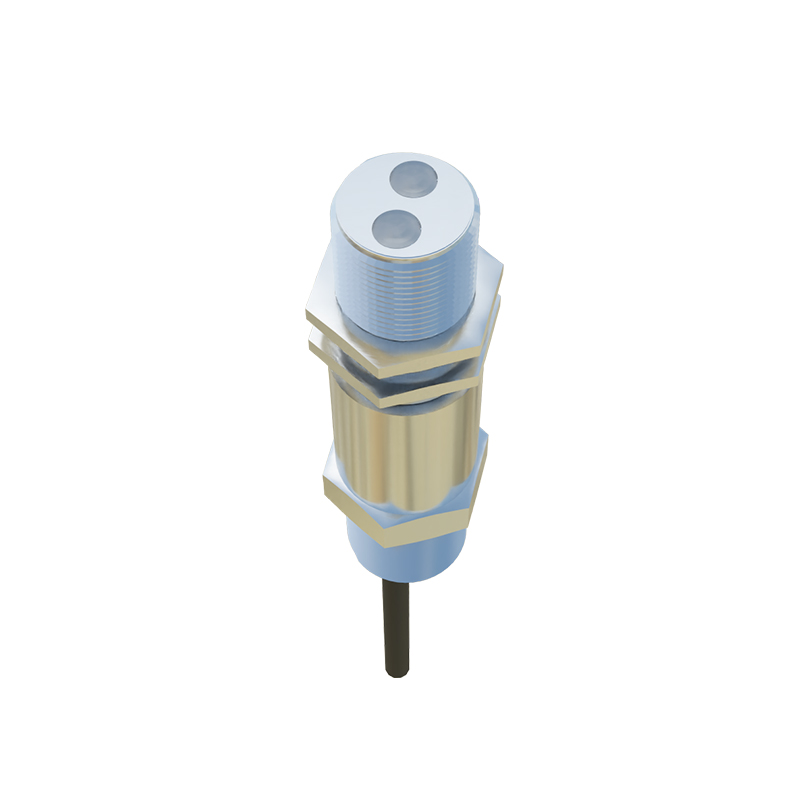
Recycling these sensors reduces electronic waste, a growing concern in manufacturing sectors. Many components, such as photodiodes, LED emitters, and precision optics, contain valuable materials like gold, copper, and rare earth elements. For example, a single sensor housing may include brass or stainless steel, while internal PCBs hold precious metals. By recovering these, companies cut raw material costs and lower carbon footprint from new production. Additionally, functional testing and refurbishment can extend sensor life, saving up to 40% on replacement expenses.
Step-by-Step Recycling Process
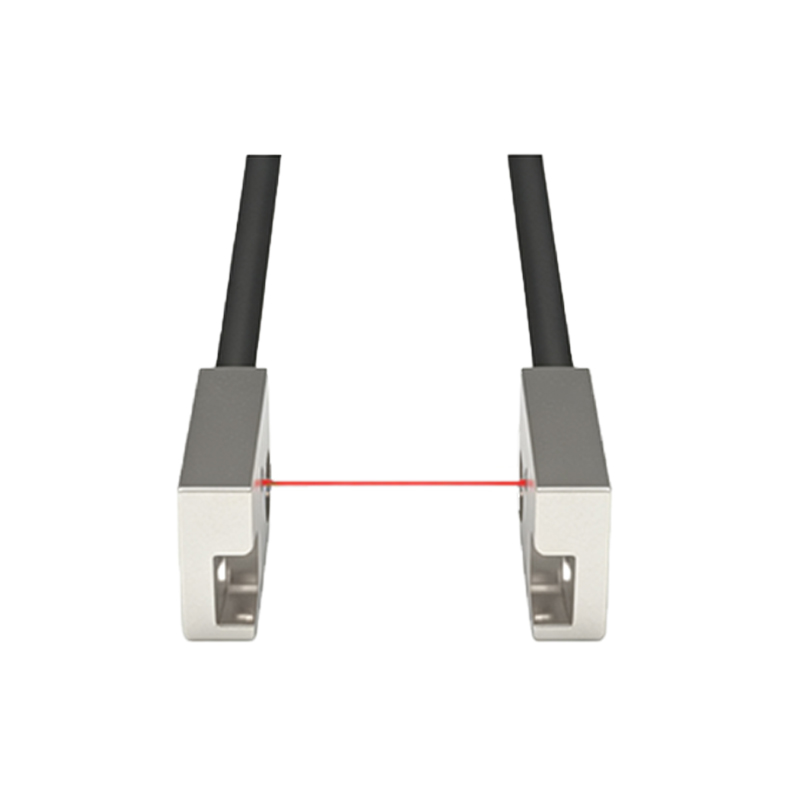
First, collect used sensors from production lines, storage, or decommissioned machinery. Sort them by type, including through-beam, retro-reflective, and diffuse models. Next, perform a visual inspection to separate severely damaged units from repairable ones. For repairable sensors, clean optics with isopropyl alcohol and recalibrate output signals using standard test fixtures. For non-repairable units, disassemble housing to access PCBs and optical modules. Use automated shredders and separation systems to recover metals, plastics, and glass. Finally, send recovered materials to certified recyclers for smelting or reprocessing.
Key Challenges and Solutions
A common challenge is contamination from oil or coolant, which affects optical surfaces and degrades plastic housings. To address this, use ultrasonic cleaning baths before disassembly. Another issue is mixed sensor types with different voltage ratings or communication protocols. Implement a barcode tracking system to log sensor specifications and recycling history. Also, ensure compliance with regulations like RoHS or WEEE, which require proper disposal of hazardous components such as capacitors or lithium batteries. Partnering with specialized e-waste recyclers ensures safe handling.
Best Practices for Maintenance and Recycling Integration
To maximize recycling efficiency, adopt a preventive maintenance schedule that identifies failing sensors early. Use condition monitoring tools to predict end-of-life, allowing planned replacement and recycling. Train technicians to recognize recyclable components and separate materials on site. Additionally, collaborate with sensor manufacturers for take-back programs, which often offer discounts on new purchases. Document recycling volumes and cost savings to support sustainability reporting and improve corporate ESG scores.
Future Trends in Sensor Recycling
Emerging technologies like AI-based sorting and hydrometallurgical recovery are making sensor recycling more efficient. For instance, machine vision can quickly identify sensor types and material composition, while bioleaching uses bacteria to extract metals with less energy. As circular economy principles gain traction, expect more standardized sensor designs that simplify disassembly. Industry 4.0 initiatives also promote digital twins for tracking sensor lifecycles, enabling real-time recycling decisions.