Introduction to OPUS Photoelectric Sensors in Modern Industry
OPUS photoelectric sensors have become a cornerstone in industrial automation, offering reliable non-contact detection for a wide range of applications. These sensors utilize light beams to detect the presence, absence, or distance of objects, making them essential for manufacturing, packaging, and material handling systems. As an electrical engineer specializing in automation, I have consistently recommended OPUS for their robust performance, long sensing distances, and adaptability to harsh environments. Their design focuses on minimizing false triggers and maximizing uptime, which is critical for high-speed production lines.
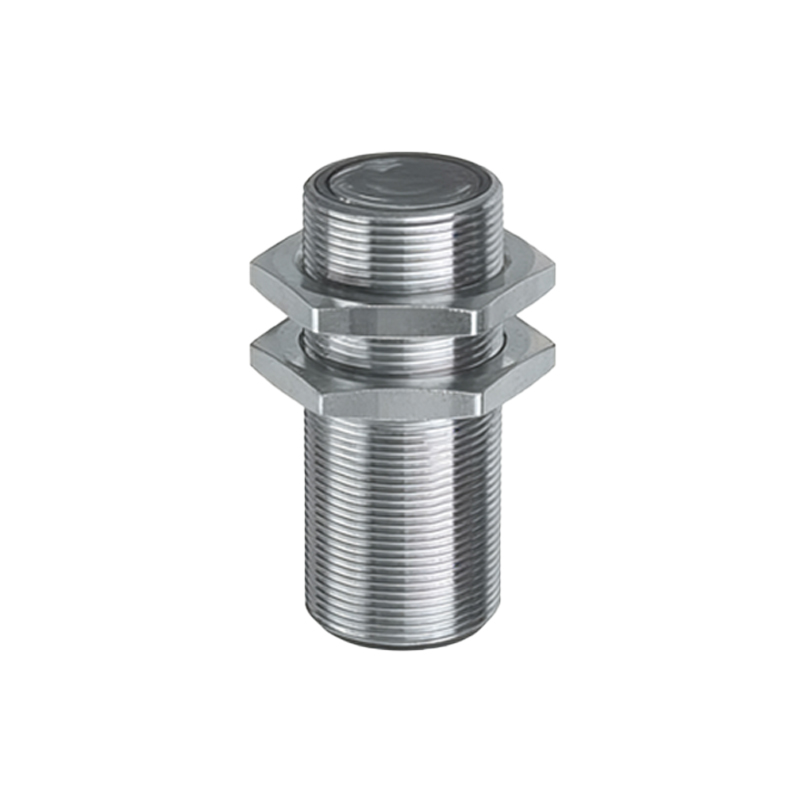
Key Technical Specifications and Operating Principles
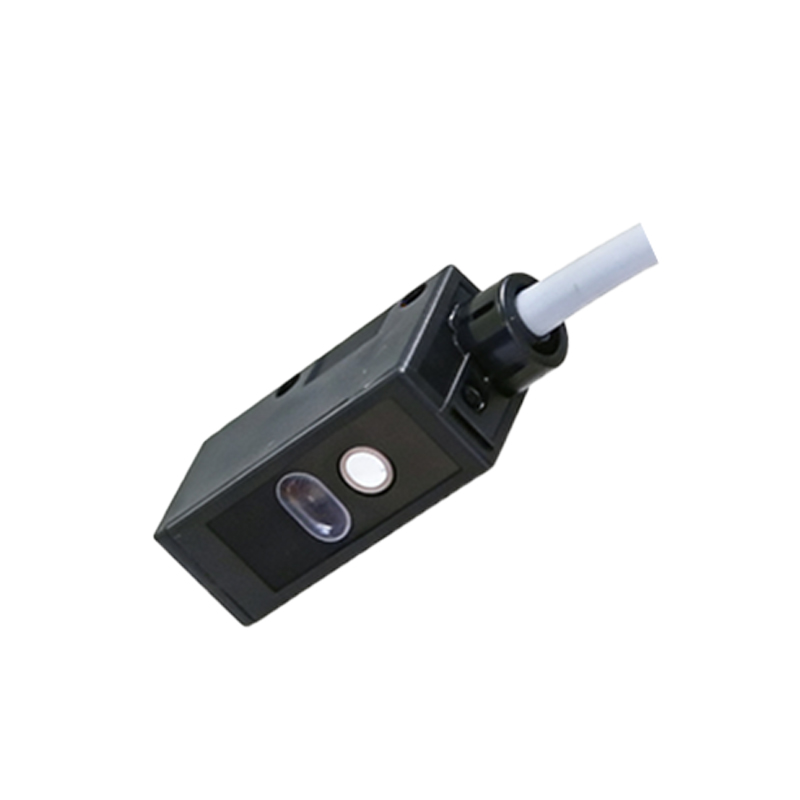
OPUS photoelectric sensors operate on three primary principles: through-beam, retro-reflective, and diffuse reflection. Through-beam sensors offer the longest range, up to 30 meters, by separating the emitter and receiver. Retro-reflective models use a reflector, achieving ranges up to 10 meters with simple alignment. Diffuse sensors detect objects directly by reflected light, ideal for short-range tasks under 2 meters. Key specifications include response times as low as 0.5 milliseconds, IP67 protection ratings, and operating temperatures from -25°C to 55°C. These sensors support both NPN and PNP output configurations, ensuring compatibility with most PLCs and controllers.
Installation Best Practices for Optimal Performance
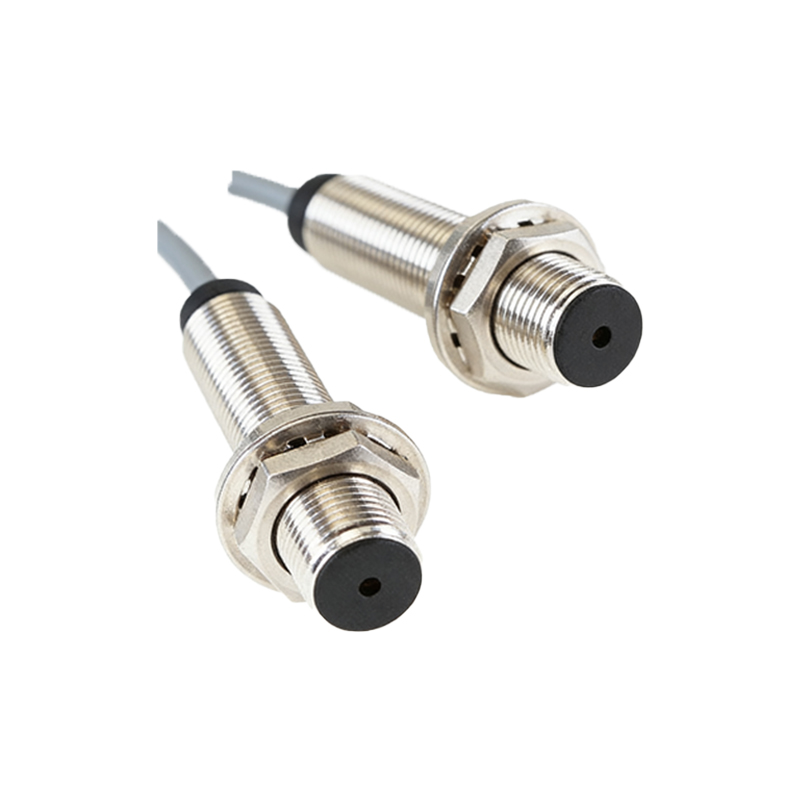
Proper installation is crucial for maximizing sensor reliability. Begin by selecting the correct sensor type based on the target object's material, color, and transparency. For dusty or wet environments, use retro-reflective sensors with polarized filters to reduce false signals from water droplets or debris. Ensure the sensing distance does not exceed 80% of the rated maximum to account for environmental degradation. Align the emitter and receiver precisely for through-beam models, and avoid mounting near reflective surfaces that could cause interference. Use shielded cables and separate power lines from high-voltage equipment to prevent electromagnetic noise.
Common Troubleshooting and Maintenance Strategies
Even the most robust sensors can encounter issues. If an OPUS sensor fails to detect, first check the power supply voltage (typically 10-30V DC) and ensure the indicator LED is active. For intermittent false triggers, inspect the lens for dust or condensation using a lint-free cloth and isopropyl alcohol. In high-vibration applications, verify that mounting brackets are tightened and use vibration-dampening pads. If the output remains stuck, test with a known good sensor to isolate the problem. Regular calibration every 6 months using a standard target object helps maintain accuracy. Replace sensors when response times increase by more than 20% above baseline.
Applications in Key Industrial Sectors
OPUS sensors excel in diverse industries. In automotive assembly lines, they verify part presence on conveyor belts and guide robotic arms for precise welding. In food and beverage packaging, their stainless steel housings withstand washdowns while detecting clear bottles and foil seals. Warehouses use OPUS sensors for automated guided vehicle (AGV) navigation and pallet height detection. For the pharmaceutical sector, these sensors ensure correct tablet counts within blister packs at speeds exceeding 200 units per minute. Always verify regulatory compliance, such as FDA or CE standards, for critical applications.
Future Trends and Integration with Industry 4.0
The next generation of OPUS sensors incorporates IO-Link communication for real-time diagnostics and parameter adjustments. This enables predictive maintenance by monitoring signal strength and temperature trends. For smart factories, integrating these sensors with Ethernet/IP or Profinet allows seamless data exchange with MES and SCADA systems. As AI-driven vision systems become more prevalent, OPUS sensors will serve as cost-effective complementary solutions for basic detection tasks. Engineers should prepare for hybrid systems where photoelectric sensors and 3D cameras work in tandem to achieve zero-defect production.