Overview of Fork Photoelectric Sensors
Fork photoelectric sensors, also known as U-shaped or slot sensors, are essential components in industrial automation for precise object detection, counting, and positioning. These sensors feature a fork-like design with an emitter and receiver housed in opposite prongs, allowing for reliable detection of objects passing through the slot. Their shapes vary based on application requirements, offering flexibility in installation and performance.
Standard U-Shape (Rectangular Slot)
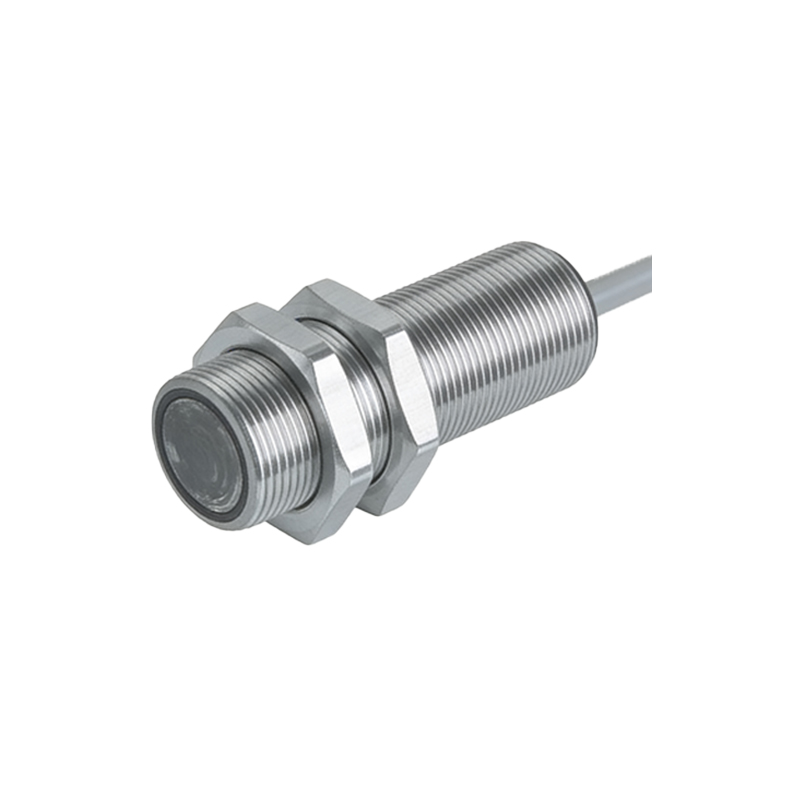
The most common shape is the standard U-shape, which features a rectangular slot with parallel prongs. This design ensures consistent light beam alignment between the emitter and receiver, making it ideal for detecting flat or small objects, such as labels, cardboard, or metal strips. The rectangular slot provides a clear path for objects, reducing false triggers caused by misalignment. Engineers often choose this shape for conveyor belt systems and packaging lines.
Compact Miniature U-Shape
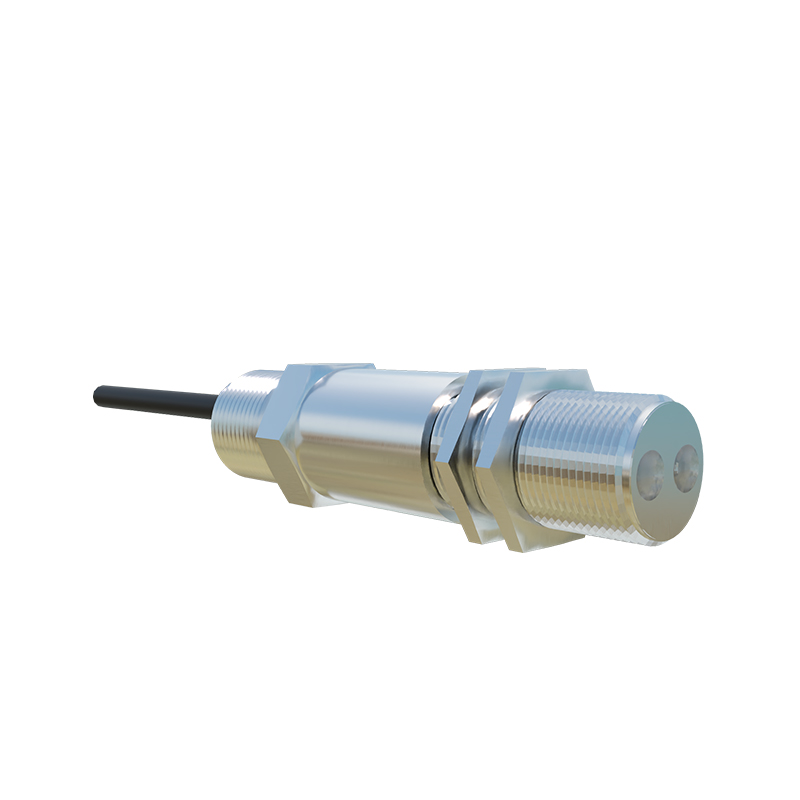
For space-constrained applications, compact miniature U-shape sensors are available. These sensors have a reduced slot width and overall footprint, typically ranging from 2 mm to 10 mm. Their small size allows integration into tight machinery, such as robotic grippers or PCB assembly lines. Despite their diminutive stature, they maintain high detection accuracy for micro-components like screws or electronic pins.
Extended Arm Fork (L-Shape)
The extended arm fork sensor, also called an L-shape variant, has one prong longer than the other. This asymmetrical design enables detection in areas where standard U-shaped sensors cannot fit, such as deep within machinery or near a wall. The extended arm positions the emitter or receiver closer to the target, making it suitable for detecting objects with irregular shapes or in hard-to-reach spaces.
Open-Ended Slot (C-Shape)
Unlike closed U-shaped sensors, open-ended slot sensors feature a C-shape with a gap at the top. This design allows objects to be inserted laterally without threading through the entire slot, simplifying installation in applications where objects are pre-assembled or bulky. Common uses include detecting large containers or long rods in material handling systems.
Multi-Channel Fork (O-Shape or Dual Slot)
For high-speed or multi-object detection, multi-channel fork sensors have an O-shape or dual-slot configuration. They incorporate multiple emitter-receiver pairs within a single housing, enabling simultaneous detection of multiple objects or precise positioning. This shape is prevalent in sorting machines and automated warehousing where throughput is critical.
Round or Cylindrical Fork
A less common but specialized shape is the round or cylindrical fork sensor, where the fork prongs form a circular slot. This design is ideal for detecting cylindrical objects, such as bottles or pipes, as it matches the object’s curvature. It minimizes false signals from reflections and ensures stable detection in food and beverage packaging lines.
Conclusion
Selecting the right shape for a fork photoelectric sensor depends on factors like object size, installation space, and detection accuracy. From standard U-shape to specialized round forks, each design offers unique advantages for industrial automation. Engineers should consider these variations to optimize system performance and reliability.