Introduction to Green Light Photoelectric Sensors
In the field of industrial automation, photoelectric sensors are essential for object detection, positioning, and counting. Among various light source options, green light photoelectric sensors have gained significant traction due to their unique optical properties. Typically employing a wavelength of around 520 nm, green light offers superior performance in challenging environments, such as those with high ambient light interference or reflective surfaces. This technical article explores the advantages, applications, and implementation considerations of green light photoelectric sensors from an electrical engineering perspective.
Key Advantages of Green Light Over Other Wavelengths
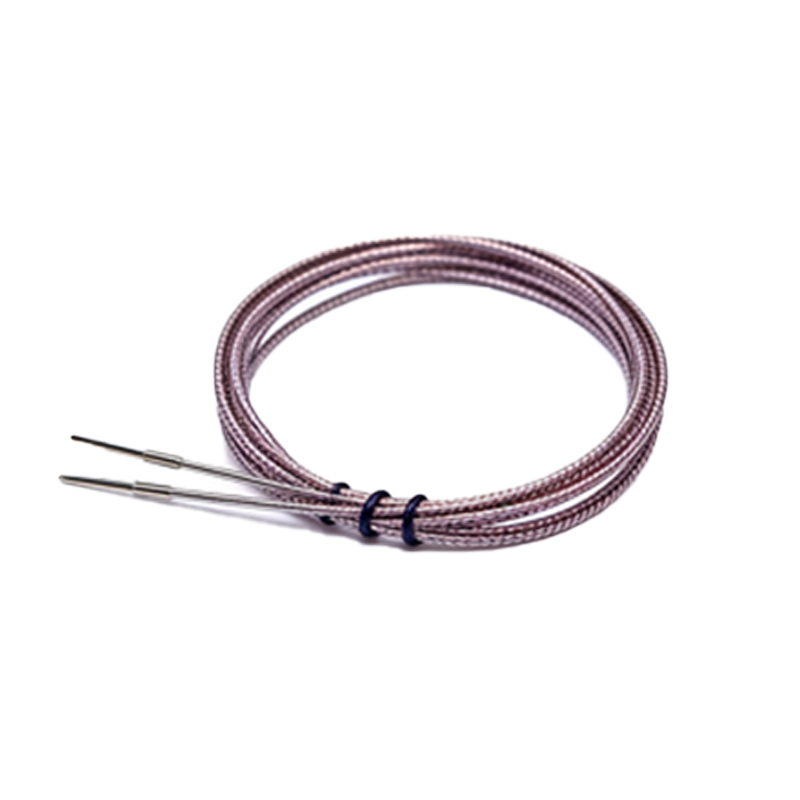
Green light sensors provide distinct benefits compared to red or infrared counterparts. Firstly, green light has a shorter wavelength, resulting in better focus and a smaller spot size, which enhances precision in detecting small objects or fine edges. Secondly, green light is less affected by ambient light sources like incandescent or LED lighting, reducing false triggers. Thirdly, green light shows higher contrast on certain materials, such as red or yellow surfaces, which are common in packaging and labeling industries. For engineers, this translates to more reliable detection in high-speed production lines.
Common Applications in Industrial Settings
Green light photoelectric sensors are widely used in automotive manufacturing, where they detect metallic components with high reflectivity. In food and beverage processing, they identify clear or colored containers without misreading due to background light. Additionally, in electronics assembly, these sensors excel at detecting tiny components on circuit boards, thanks to their narrow beam. For logistics and warehousing, green light sensors are ideal for detecting transparent films or glass objects, as the wavelength minimizes refraction and absorption issues.
Technical Specifications and Selection Criteria
When selecting a green light photoelectric sensor, engineers must consider key parameters: detection range, response time, and output type. Typical green light sensors offer ranges from 0.1 to 10 meters, with response times under 1 millisecond for high-speed applications. Light source modulation and synchronization capabilities are crucial to avoid interference. Additionally, housing materials like stainless steel or polycarbonate ensure durability in harsh environments. For optimal performance, choose sensors with adjustable sensitivity and background suppression features.
Installation and Integration Best Practices
Proper installation ensures maximum reliability. Mount the sensor at a distance that aligns with the specified detection range, and avoid direct exposure to intense ambient light. Use shielded cables for signal transmission to minimize electromagnetic interference. For dynamic applications, such as conveyor belts, integrate the sensor with a PLC or microcontroller using standard industrial protocols like IO-Link or PNP/NPN outputs. Regular calibration and cleaning of the lens are recommended to maintain performance.
Troubleshooting and Maintenance
Common issues include false triggering due to reflective surfaces or dirt on the lens. To resolve, adjust the sensitivity or apply a background suppression algorithm. Environmental factors, such as fog or dust, may reduce detection accuracy; consider using sensors with built-in automatic gain control. For long-term maintenance, schedule periodic inspections of wiring and connectors, as loose connections can cause intermittent faults. Keeping a spare sensor on hand minimizes downtime during replacements.
Future Trends and Innovations
The development of green light photoelectric sensors is moving toward smarter, more integrated solutions. Emerging trends include the use of multi-wavelength sensors that combine green light with infrared for enhanced material discrimination. Advanced filtering techniques and digital signal processing are improving resistance to ambient light noise. Additionally, IoT-enabled sensors with wireless communication capabilities are being adopted for real-time monitoring and predictive maintenance, aligning with Industry 4.0 standards.