Introduction to Slot-Type Photoelectric Sensors
Slot-type photoelectric sensors, also known as fork sensors, are widely used in industrial automation for precise object detection, counting, and position sensing. These sensors consist of an emitter and receiver housed in a single U-shaped body, allowing for reliable detection of objects passing through the slot. Unlike traditional through-beam sensors, the slot design eliminates the need for separate mounting and alignment, making installation straightforward and maintenance minimal.
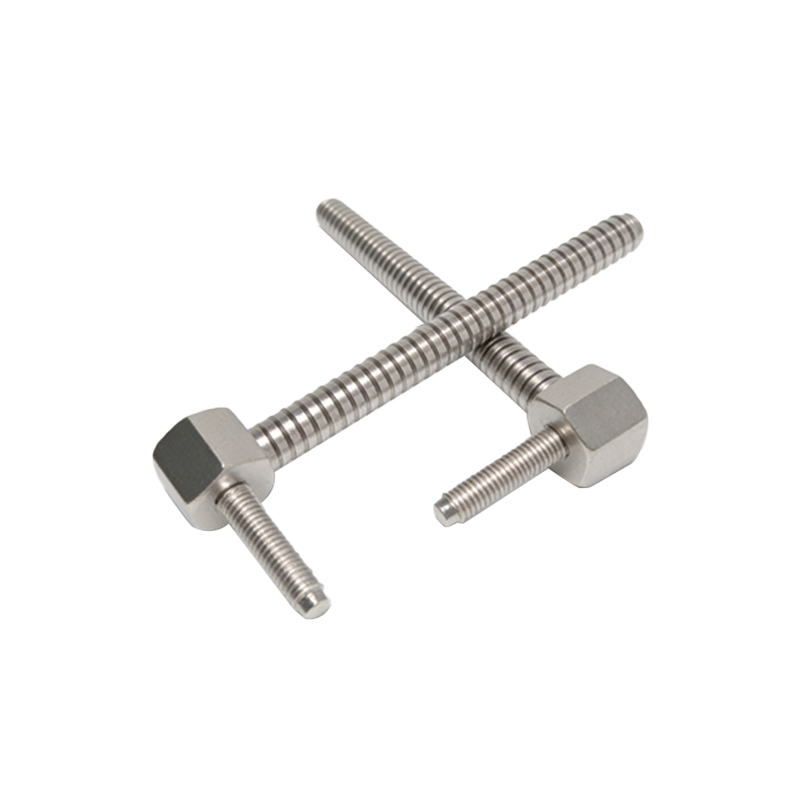
Key Components and Their Functions
A typical slot-type photoelectric sensor comprises several critical components. The emitter (usually an infrared LED or laser diode) generates a light beam that is directed across the slot. The receiver (a phototransistor or photodiode) is positioned opposite the emitter to detect the light. The U-shaped housing ensures precise alignment and protects internal components from dust and moisture. Additionally, the sensor includes modulation circuitry to filter ambient light interference, an output stage (NPN, PNP, or push-pull) for integration with PLCs, and an indicator LED for status visualization.
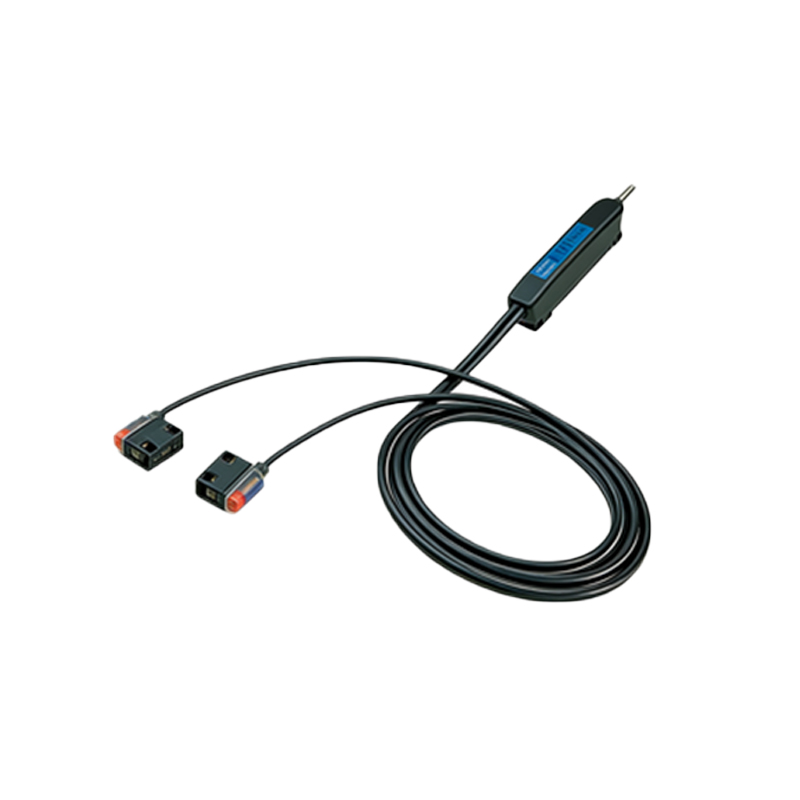
Diagram-Based Explanation of Operation
Referencing a typical component diagram, the light beam from the emitter travels across the slot to the receiver. When an object interrupts this beam, the receiver detects a drop in light intensity, triggering a change in output state. The diagram highlights the emitter lens focusing the beam, the receiver aperture narrowing detection area, and the slot width determining maximum object size. For transparent or reflective objects, some sensors incorporate polarizing filters to avoid false triggers.
Common Applications and Industry Use Cases
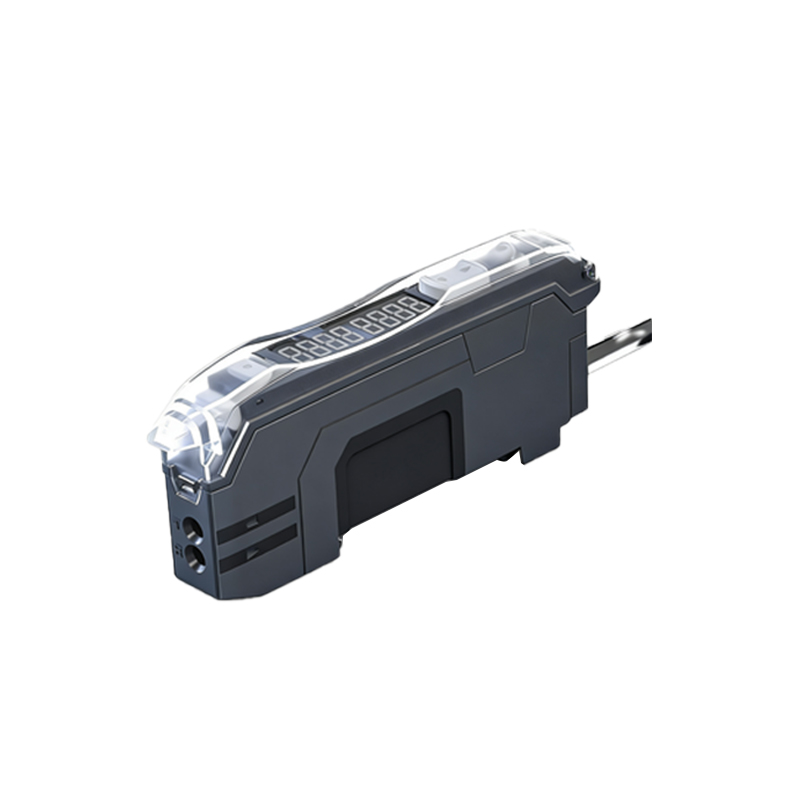
Slot-type sensors excel in high-speed applications such as conveyor belt counting, label detection, and bottle filling lines. Their compact design suits limited spaces, while the sealed housing allows use in harsh environments like food processing or automotive assembly. For example, in a packaging line, a slot sensor detects box presence before sealing, ensuring continuous operation without jams.
Installation and Troubleshooting Tips
Proper installation ensures optimal performance. Ensure the object passes fully through the slot without touching the housing. Adjust the sensitivity potentiometer to match object reflectivity or opacity. Common issues include misalignment (solved by verifying emitter-receiver axis) and ambient light interference (use modulation mode). Regular cleaning of the lens with lint-free cloth prevents false readings.
Advantages Over Traditional Sensors
Compared to diffuse or retro-reflective sensors, slot-type sensors offer superior reliability for opaque objects. The fixed optical path eliminates alignment drift, while the narrow beam enables detection of tiny parts (e.g., pins or wires). Additionally, they require no external reflector, reducing installation complexity.
Conclusion and Future Developments
Slot-type photoelectric sensors remain indispensable in modern automation due to their simplicity and accuracy. Emerging trends include IO-Link integration for real-time diagnostics and multi-beam arrays for detecting multiple object sizes. Engineers should evaluate slot sensors when space, speed, and reliability are critical.