Introduction to Photoelectric Sensors in Sanding Machines
In modern sanding machines, photoelectric sensors are critical for ensuring precision, safety, and efficiency. These sensors detect the presence, position, and thickness of materials, allowing the machine to adjust parameters such as belt speed and pressure. As an electrical engineer, I emphasize the importance of selecting sensors with appropriate response times and environmental ratings to withstand dust and vibration common in woodworking environments.
Proximity Detection for Material Feed Control
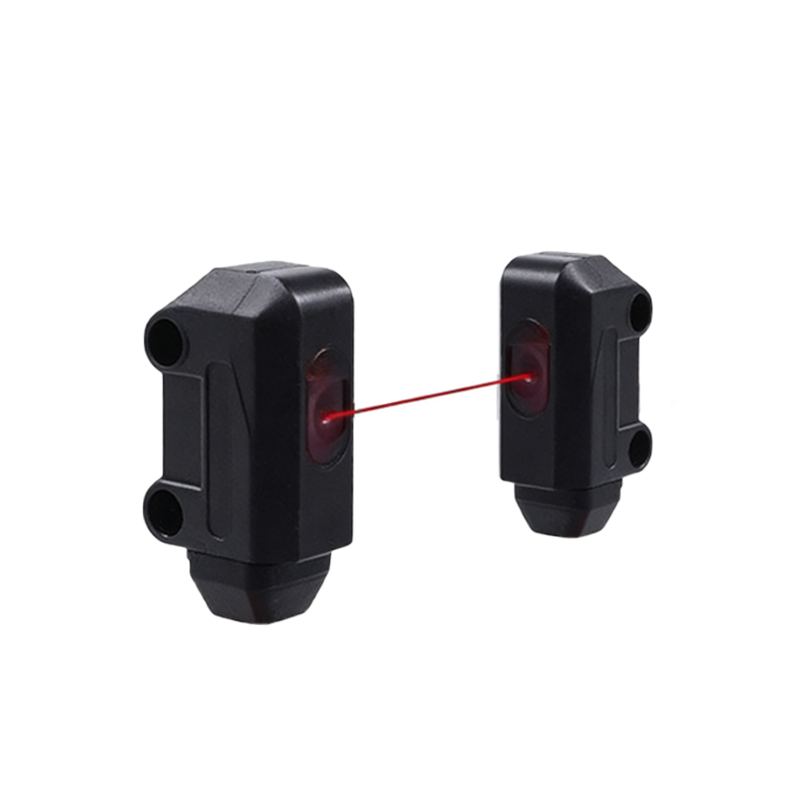
One primary application is proximity detection at the infeed section. Photoelectric through-beam sensors or retro-reflective sensors monitor the leading edge of workpieces. When a board enters the machine, the sensor triggers the feed rollers to engage, preventing jams or empty runs. For example, a M18 cylindrical photoelectric sensor with a 10-meter range ensures reliable detection even for large panels.
Thickness Measurement for Pressure Adjustment
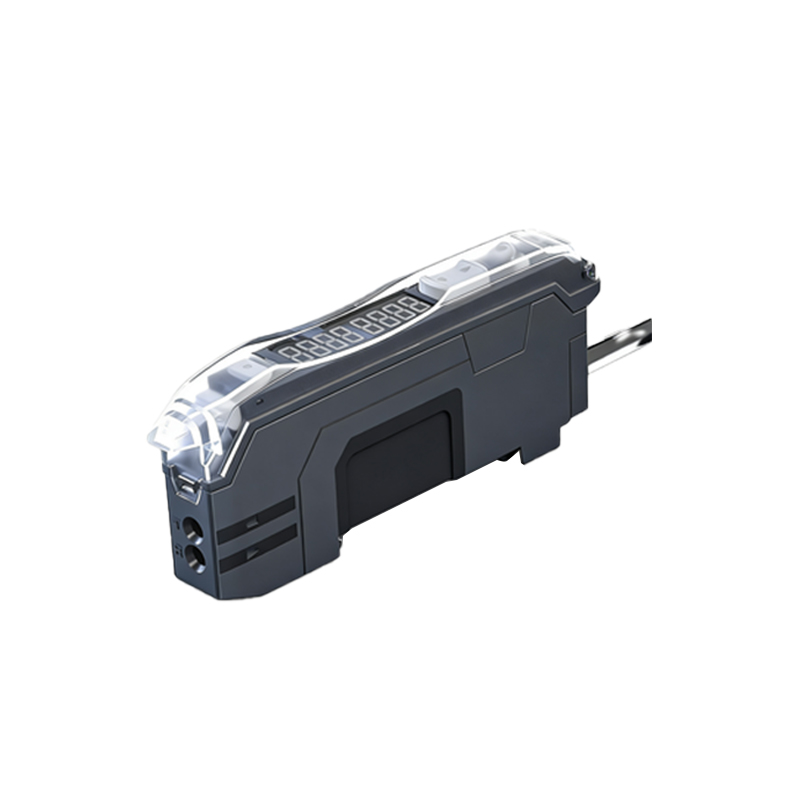
For precise sanding, multiple photoelectric sensors measure board thickness along the conveyor. A linear array of laser-based sensors or diffuse reflective sensors calculates the variance in material height. This data feeds into the PLC to adjust the sanding head pressure dynamically. In high-end machines, a sensor resolution of 0.1mm minimizes over-sanding or under-sanding, reducing waste.
Belt Tension and Breakage Monitoring
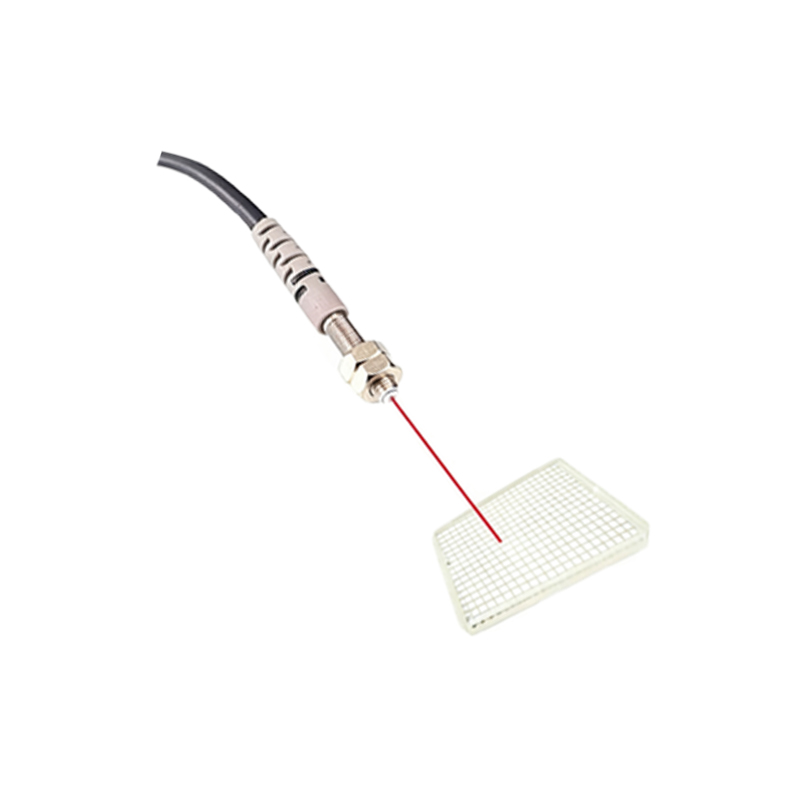
Sanding belts are prone to wear and tear. Photoelectric sensors with transparent object detection capabilities monitor belt tension via a reflective tape on the belt loop. If the belt slackens or breaks, the sensor sends an immediate stop signal to the drive motor. This prevents damage to the workpiece and machine components, enhancing safety.
Safety Interlock for Operator Protection
Safety-rated photoelectric light curtains are installed at the machine entry and exit points. These sensors create an infrared grid that, when interrupted by an operator’s hand or foreign object, triggers an emergency stop. The response time is typically less than 20ms, complying with ISO 13849 standards. This reduces accident risks without slowing production.
Dust and Vibration Resilience in Sensor Selection
Sanding environments generate high levels of non-metallic dust and mechanical vibration. Engineers should select sensors with IP65 or higher protection ratings and vibration-resistant housings. For instance, fiber optic sensors with remote amplifiers isolate the electronics from the harsh zone. Regular cleaning of the sensor lenses using compressed air ensures consistent performance.
Integration with PLC and Data Logging
All photoelectric sensors connect to a centralized PLC via analog or digital outputs. The PLC processes signals for real-time adjustments and logs data for predictive maintenance. For example, a sensor detecting frequent belt misalignment can trigger a maintenance alert. This integration reduces downtime by up to 30% in continuous production lines.
Conclusion: Optimizing Sanding Machine Performance
Implementing multiple photoelectric sensors transforms a sanding machine from a basic tool into a precision instrument. By focusing on sensor placement, environmental tolerance, and PLC integration, engineers can achieve consistent output quality and higher throughput. Always refer to the sensor manufacturer’s datasheets for wiring and calibration guidelines to avoid common pitfalls.