Introduction to Photoelectric Sensors in the Yangtze River Delta
As a senior electrical engineer specializing in industrial automation, I have observed that the Jiangsu-Zhejiang-Shanghai (JZS) region serves as a critical hub for the manufacturing and application of photoelectric sensors. This area, known for its dense concentration of electronics and automotive industries, demands high-reliability sensing solutions. Photoelectric sensors, which convert light signals into electrical outputs, are essential for object detection, positioning, and quality control in these high-speed production environments. The local supply chain integrates advanced German and Japanese technology with domestic innovation, offering a unique blend of cost-efficiency and precision.
Key Technical Specifications for JZS Industrial Applications
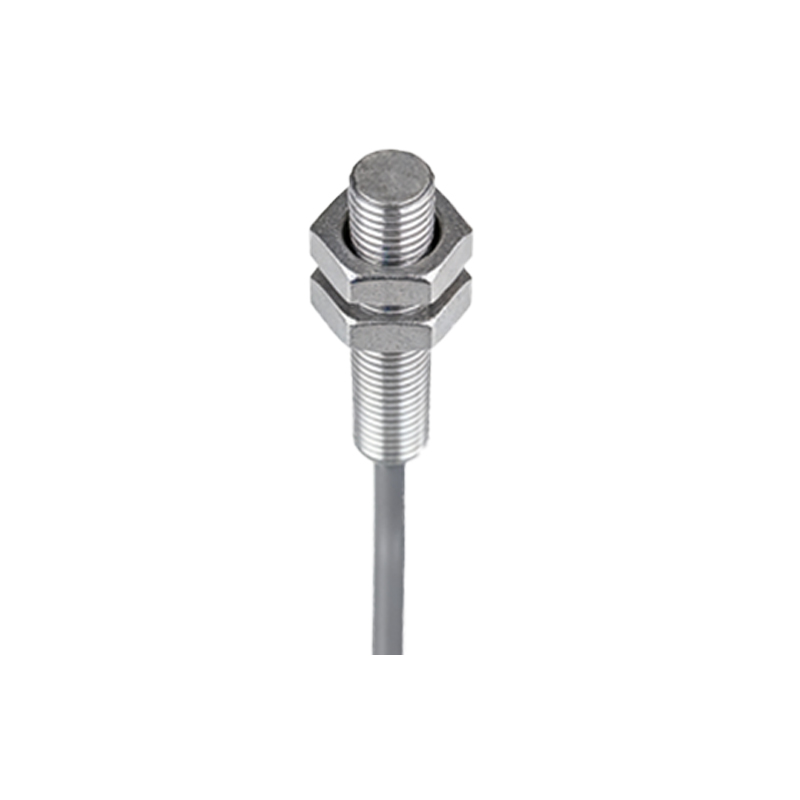
In my field work, the most requested sensor types include through-beam, retro-reflective, and diffuse reflective models. For JZS factories, typical operating distances range from 0.1 meters for diffuse sensors to 30 meters for through-beam units, with response times under 0.5 milliseconds. Environmental protection is paramount; sensors must meet at least IP67 standards to withstand dust and washdown processes common in food packaging lines. Additionally, ambient light immunity up to 10,000 lux is critical for outdoor logistics applications. I recommend selecting sensors with M12 connectors and 4-wire DC outputs for seamless integration with PLC systems from Siemens or Mitsubishi.
Market Trends in the Jiangsu-Zhejiang-Shanghai Region

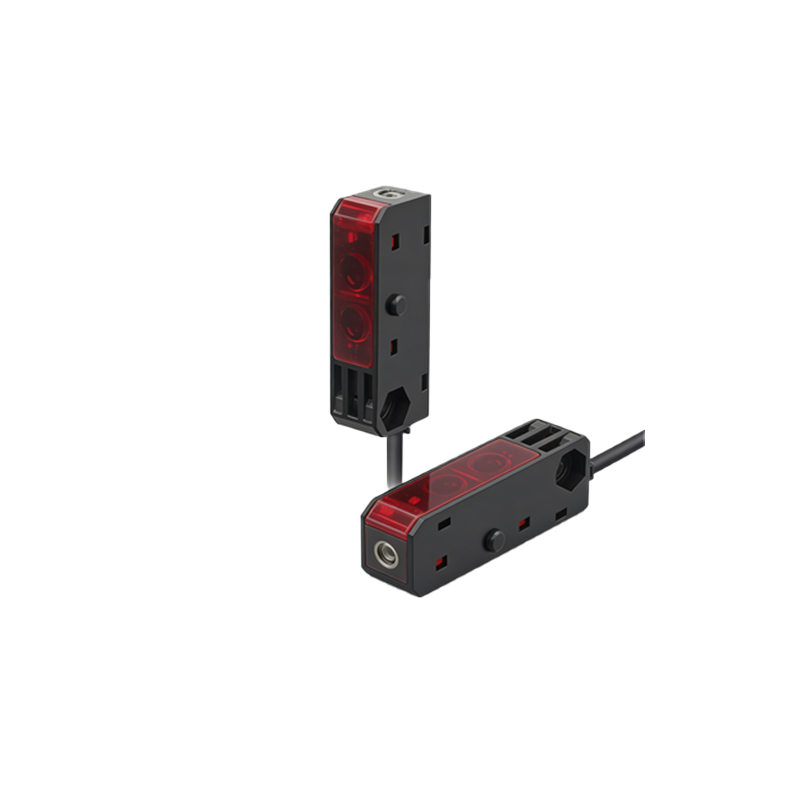
Recent data from 2023 indicates that the JZS photoelectric sensor market has grown by 12% annually, driven by smart factory initiatives and Industry 4.0 adoption. Local manufacturers, such as those in Wenzhou and Suzhou, are increasingly producing miniaturized sensors with built-in IO-Link communication. This protocol allows for real-time parameter adjustments and diagnostic data, reducing downtime in automated assembly lines. For engineers, this means evaluating sensors with at least 2-meter cable lengths and LED indicators for easy troubleshooting in cramped control cabinets.
Installation and Calibration Best Practices
During installation in JZS facilities, alignment is the most common challenge. For through-beam sensors, I advise using a laser alignment tool to ensure the emitter and receiver are coaxial within a 2-degree tolerance. For diffuse sensors in dusty environments, installing them with a 10-degree downward tilt prevents false triggers from debris. Calibration should be performed using a standardized test target, such as a 200 mm x 200 mm white card, at 80% of the specified sensing distance. Always verify the sensor's switching hysteresis (typically 10-15%) to avoid oscillation near the detection boundary.
Common Failure Modes and Troubleshooting
Based on my on-site experience in Shanghai's automotive plants, the top three failure modes are lens contamination, cable sagging, and interference from reflective backgrounds. Regular cleaning with isopropyl alcohol and a lint-free cloth every 2,000 operating hours is recommended. For cable issues, use strain relief brackets and maintain a minimum bend radius of 25 mm. When facing background interference, switch to background-suppression sensors or adjust the sensitivity potentiometer to a 50% threshold. Documenting these steps in a maintenance log improves traceability for ISO 9001 audits.
Future Innovations and Industry Recommendations
Looking ahead, I predict that JZS's photoelectric sensor industry will focus on integrating LiDAR and time-of-flight (ToF) technologies for 3D object detection. As an engineer, I recommend piloting these sensors in logistics sorting systems, where they can achieve 99.9% accuracy even with transparent or dark objects. Additionally, adopting sensors with Bluetooth 5.0 for wireless configuration will reduce installation costs in retrofitted factories. For procurement teams, prioritize sensors with a 5-year lifecycle and a local support network in Ningbo or Hangzhou to ensure rapid replacement within 48 hours.