1. Introduction to Photoelectric Sensors in Modern Manufacturing
Photoelectric sensors are essential components in industrial automation, offering non-contact detection of objects, materials, and positions. As an electrical engineer, you frequently encounter applications where reliable sensing is critical for process control, safety, and efficiency. These sensors operate by emitting a beam of light, typically infrared or visible, and detecting changes in the reflected or interrupted light. Their versatility makes them suitable for harsh environments, including dusty factories, wet processing lines, and high-temperature zones. In this article, we explore key aspects of photoelectric sensor selection, installation, and troubleshooting, drawing from practical field experience.
2. Key Operating Principles: Through-Beam, Retro-Reflective, and Diffuse Modes
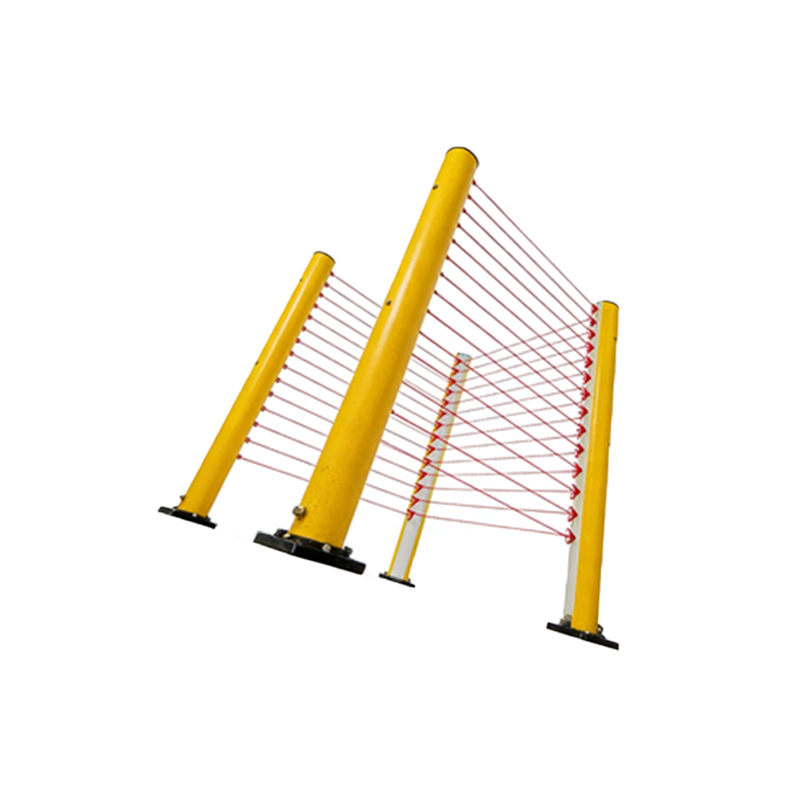
Understanding the three primary sensing modes is fundamental for optimal deployment. Through-beam sensors consist of separate emitter and receiver units; they offer the longest detection range and highest reliability, even in contaminated environments. Retro-reflective sensors combine emitter and receiver in one housing, using a reflector to bounce the beam back; they are ideal for medium-range applications with transparent or shiny objects. Diffuse sensors, also called proximity sensors, detect changes in light reflected directly from the target; they are compact and cost-effective for short-range detection. Each mode has unique advantages: for example, through-beam excels in dusty areas, while diffuse is preferred for detecting dark objects. Engineers should evaluate factors like target material, ambient light, and mounting space before choosing a mode.
3. Selection Criteria: Range, Response Time, and Environmental Factors
When selecting a photoelectric sensor, three parameters demand careful consideration: detection range, response time, and environmental robustness. Range directly impacts system layout; for conveyor belt applications, a through-beam sensor with a 30-meter range might be necessary, while a diffuse sensor with 1-meter range suffices for proximity detection. Response time, often in microseconds, determines the sensor's ability to track fast-moving parts; high-speed packaging lines require sensors with sub-millisecond response. Environmental factors include temperature extremes, humidity, and chemical exposure. IP67-rated enclosures are standard for washdown areas, while sensors with built-in diagnostics simplify maintenance. Always cross-reference datasheets with your specific operational conditions to avoid field failures.
4. Installation Best Practices for Reliable Performance
Proper installation minimizes false triggers and extends sensor life. First, ensure alignment: for through-beam types, emitter and receiver must be precisely aligned using laser sighting tools if available. Retro-reflective sensors require clean reflectors; avoid mounting near highly reflective surfaces that can cause false signals. Diffuse sensors should be positioned to avoid background interference; a dark background absorbs more light and improves contrast. Cable routing is critical: use shielded cables to reduce electromagnetic interference, and avoid sharp bends that could damage internal wires. For harsh environments, install protective housings or air purge systems to keep lens surfaces clean. Regular calibration during commissioning ensures optimal sensitivity.
5. Common Troubleshooting Scenarios and Solutions
Even robust sensors can encounter issues. A frequent problem is intermittent detection caused by lens contamination; clean lenses with isopropyl alcohol and a lint-free cloth. Another issue is false triggering from ambient light; install hoods or use modulated light sensors that filter out background illumination. In high-vibration settings, loose mounting brackets may misalign sensors; use vibration-dampening mounts and check tightness during maintenance. For retro-reflective systems, degraded reflectors reduce signal strength; replace them annually in dirty environments. When sensors fail to respond, verify power supply voltage and check for wiring faults using a multimeter. Always review the sensor's teach-in procedure to reconfigure sensitivity for new targets.
6. Emerging Trends: Smart Sensors and Industry 4.0 Integration
Photoelectric sensors are evolving with digitalization. Modern smart sensors feature IO-Link communication, enabling real-time data exchange with PLCs and SCADA systems. This allows remote parameter adjustment, predictive maintenance alerts, and detailed diagnostic logs. For example, a smart through-beam sensor can report its signal strength, indicating when lens cleaning is needed. Additionally, multi-mode sensors now integrate all three sensing modes in one device, reducing inventory complexity. As factories adopt Industry 4.0, engineers must consider sensor compatibility with industrial Ethernet protocols like PROFINET or EtherNet/IP. These trends enhance automation efficiency, reduce downtime, and provide actionable data for process optimization.
7. Conclusion: Leveraging Photoelectric Sensors for Competitive Advantage
In conclusion, photoelectric sensors remain a cornerstone of industrial automation due to their reliability and adaptability. By mastering selection criteria, installation techniques, and troubleshooting, electrical engineers can significantly improve system uptime and product quality. The shift toward smart sensors also opens opportunities for data-driven maintenance and integration into broader digital ecosystems. As technology advances, staying updated with sensor specifications and industry standards will be key to maintaining a competitive edge in manufacturing. Always prioritize safety and consult sensor manufacturers for application-specific advice.