Introduction to Sunlight Photoelectric Sensors
Sunlight photoelectric sensors are advanced optoelectronic devices designed to detect and measure light intensity from natural or artificial sources, with a specific focus on solar radiation. In industrial settings, these sensors play a critical role in automation, environmental monitoring, and energy management systems. Unlike standard photoelectric sensors, sunlight-specific models are engineered to handle high-intensity ultraviolet (UV) and infrared (IR) components, ensuring reliable performance even under direct sun exposure. Their robust construction often includes protective housings with IP67 ratings to withstand dust, moisture, and temperature fluctuations ranging from -40°C to 85°C. For electrical engineers, selecting the right sensor involves understanding spectral response curves, typically covering wavelengths from 300 nm to 1100 nm, which aligns with the solar spectrum. This capability enables precise detection for applications like solar tracker systems, outdoor lighting control, and greenhouse automation. Key specifications to consider include response time (commonly under 1 ms), output type (analog or digital), and immunity to ambient light interference. By integrating these sensors into control loops, industries can optimize energy efficiency, reduce maintenance costs, and enhance system reliability.
Working Principle and Core Technologies
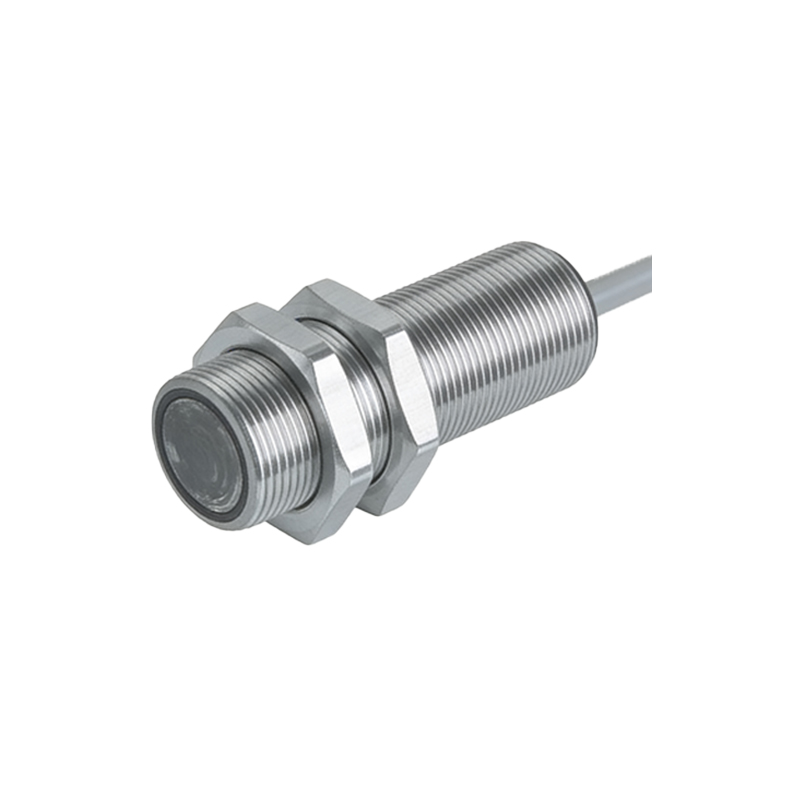
The fundamental operation of sunlight photoelectric sensors relies on the photoelectric effect, where incident photons generate electron-hole pairs in a semiconductor material, typically silicon or gallium arsenide. These sensors often employ a photodiode or phototransistor as the sensing element, with a spectral filter to isolate sunlight wavelengths. In practical designs, a transimpedance amplifier converts the photocurrent into a voltage signal, which is then processed by a microcontroller or comparator circuit. For enhanced accuracy, manufacturers incorporate compensation algorithms to correct for temperature drift and non-linear responses, ensuring stable output across varying light intensities. Advanced models use dual-channel configurations: one for sunlight detection and another for ambient light subtraction, eliminating false triggers from reflections or shadows. Engineers must also consider the sensor's field of view (FOV), typically ranging from 10° to 120°, which determines the detection area. To mitigate noise from electrical interference, shielded cables and proper grounding techniques are essential during installation. These technical details are critical for achieving repeatable measurements in harsh industrial environments, such as solar farms or outdoor manufacturing facilities.
Key Application Scenarios in Industry
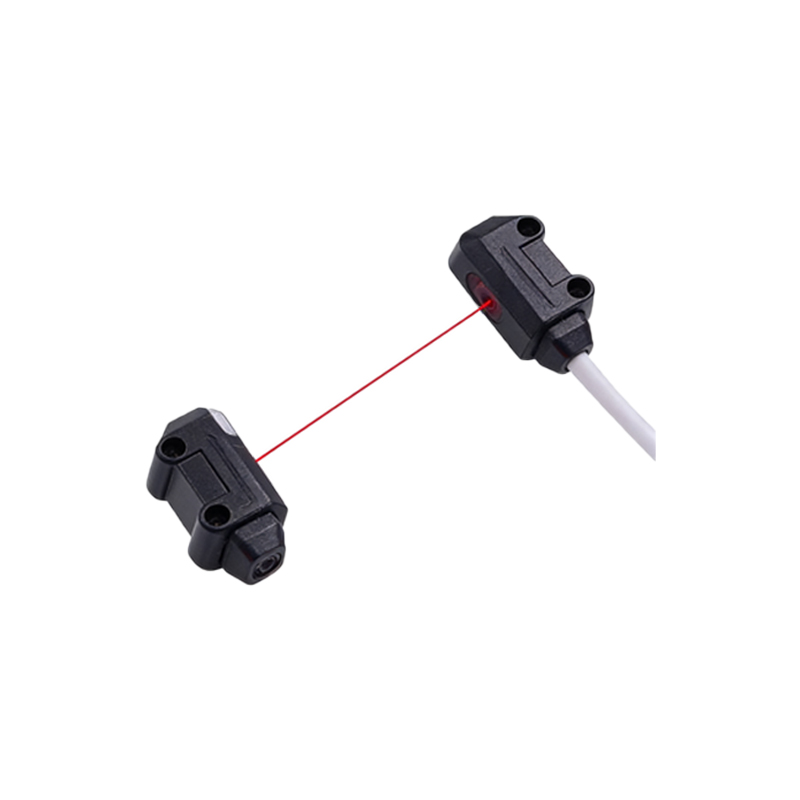
Sunlight photoelectric sensors find extensive use in renewable energy, agriculture, and building automation sectors. In photovoltaic (PV) systems, they enable maximum power point tracking (MPPT) by measuring real-time solar irradiance, improving energy harvest efficiency by up to 15%. For example, a sensor array can adjust the tilt angle of solar panels to follow the sun's path, reducing dependency on weather forecasts. In smart agriculture, these sensors control automated irrigation by detecting sunlight levels, preventing overwatering during cloudy periods and optimizing plant growth. Industrial lighting systems leverage them for daylight harvesting, where sensors dim artificial lights when natural light is sufficient, cutting energy consumption by 20-30%. Additionally, in factory automation, they serve as safety devices to detect human presence in sunlit areas, triggering warnings or machine shutdowns. Each application requires specific sensor configurations: high-speed response for tracking systems, wide dynamic range for outdoor use, and UV-resistant materials for long-term durability. Engineers should also evaluate communication protocols like Modbus or IO-Link for seamless integration with programmable logic controllers (PLCs).
Selection Criteria and Design Considerations
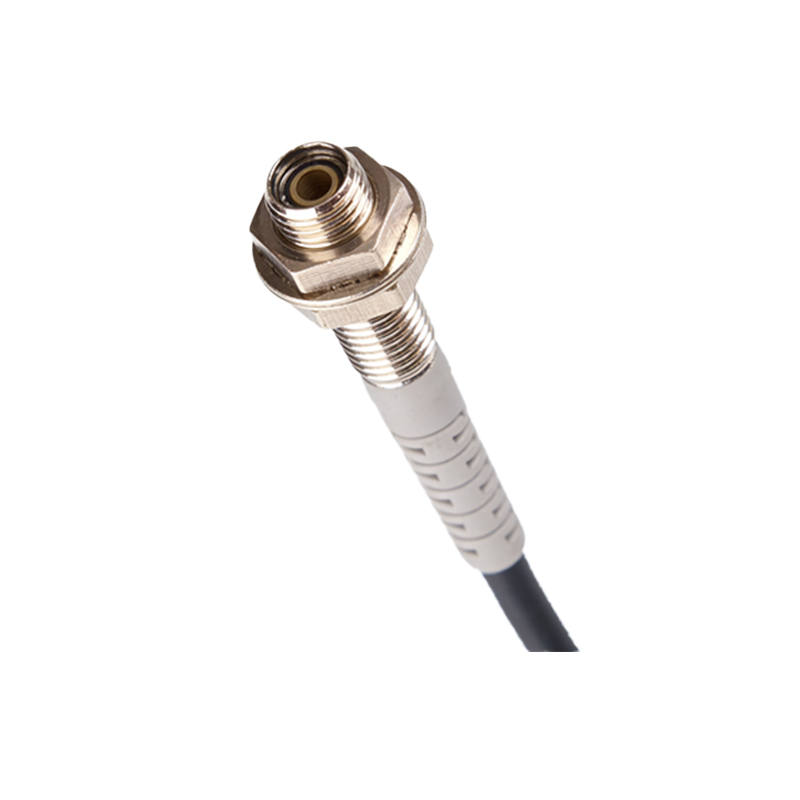
Choosing the right sunlight photoelectric sensor involves balancing technical specifications with environmental factors. Start by assessing the required spectral range—for most solar applications, a broadband sensor covering 400-700 nm (visible) and 700-1100 nm (near-IR) is ideal. Check the sensor's maximum irradiance rating, which should exceed 1200 W/m² to handle peak sunlight without saturation. Response time is another critical parameter: for fast-moving objects like conveyor belts, choose sensors with sub-millisecond speeds; for static monitoring, slower rates (e.g., 10 ms) suffice. Output type matters: analog outputs (0-10V or 4-20 mA) provide continuous data for precise control, while digital outputs (PNP/NPN) are simpler for on/off detection. Environmental durability cannot be overlooked. Ensure the sensor has an operating temperature range matching your climate—for desert installations, -40°C to 85°C is typical. Also, verify ingress protection (IP66 or higher) and resistance to corrosive agents like salt spray in coastal areas. Mounting options should allow easy alignment, with adjustable brackets and integrated laser pointers for setup. Finally, account for cost vs. performance: premium sensors with built-in diagnostics and self-calibration justify their price in critical systems, while budget models work for non-critical applications.
Installation Best Practices and Troubleshooting
Proper installation ensures optimal sensor performance and longevity. Begin by selecting a mounting location free from obstructions—away from overhanging structures, reflective surfaces, or artificial light sources that could cause interference. Use a leveling mount to align the sensor perpendicular to the expected sunlight direction, with tolerance within ±2°. For outdoor applications, position the sensor at least 1 meter above ground to avoid dirt splashes and ensure natural airflow for cooling. Wiring should follow manufacturer guidelines: use twisted-pair shielded cables for analog signals, keep cable runs under 30 meters to minimize voltage drop, and separate sensor cables from high-power lines to prevent electromagnetic interference. After installation, calibrate the sensor using a reference solar meter or known irradiance standard. Common issues include signal drift due to thermal expansion—mitigate this by using sensors with temperature compensation. If output fluctuates, check for condensation in the housing, debris on the lens, or loose connections. For digital sensors, verify that the PLC input matches the sensor's logic level (e.g., 24V DC). Regular maintenance, such as quarterly lens cleaning with isopropyl alcohol and inspecting seals for cracks, can extend sensor life to over 10 years.
Future Trends and Emerging Technologies
The evolution of sunlight photoelectric sensors is driven by the Internet of Things (IoT), artificial intelligence (AI), and miniaturization. Next-generation sensors integrate wireless connectivity (e.g., LoRaWAN or Wi-Fi) for remote monitoring of solar farms, enabling predictive maintenance through cloud-based analytics. AI-powered algorithms now process sensor data to forecast weather patterns, adjusting energy storage systems preemptively. Another trend is the development of flexible, thin-film sensors that can be embedded into building materials like glass or roofing, blending aesthetics with functionality. For industrial automation, sensors with built-in edge computing capabilities can perform local data filtering, reducing latency and bandwidth usage. Additionally, multi-spectral sensors that simultaneously detect UV, visible, and IR light are emerging, offering richer environmental insights for precision agriculture. However, challenges remain, such as improving long-term stability under UV exposure and reducing costs for widespread adoption. Engineers should stay updated on standards like IEC 60904 for solar simulation testing and consider new materials like perovskite photodiodes for higher sensitivity. These advancements promise to make sunlight photoelectric sensors even more integral to smart, sustainable industrial systems.