Introduction to Smart Laser Photoelectric Sensors
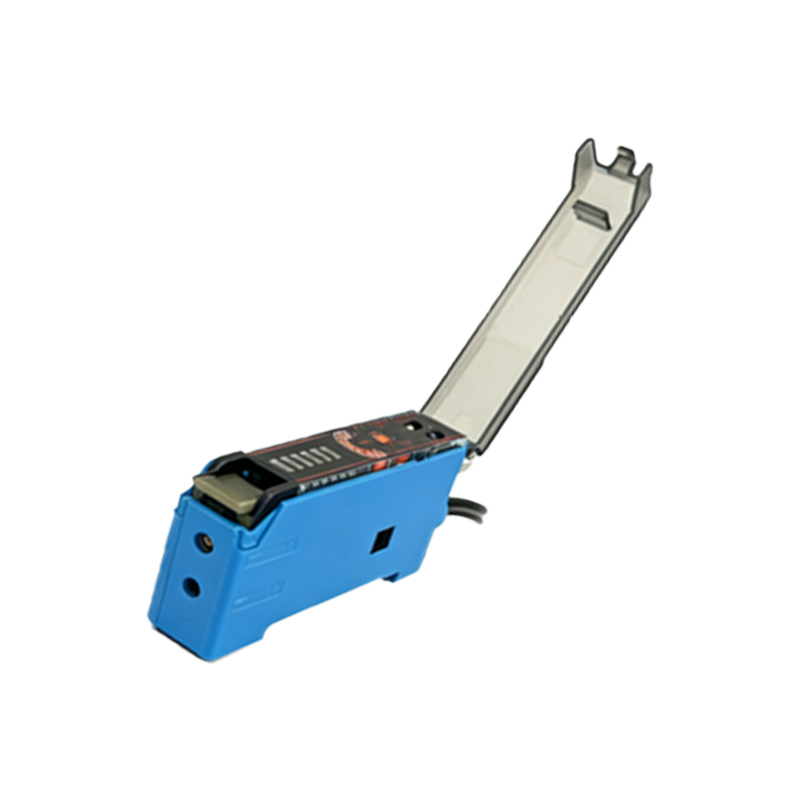
Smart laser photoelectric sensors represent a quantum leap in industrial sensing technology. Unlike traditional sensors, these devices combine laser precision with intelligent processing capabilities, enabling real-time object detection, distance measurement, and material analysis even in challenging environments. As an electrical engineer, I have witnessed how these sensors enhance automation systems by reducing false triggers and increasing throughput in manufacturing lines.
Key Technical Advantages in Harsh Environments
One of the standout features of smart laser photoelectric sensors is their resilience. They operate effectively in high dust, fluctuating temperatures, and low-light conditions where conventional sensors fail. The laser beam, typically in the infrared or visible red spectrum, provides a long detection range up to 50 meters with millimeter-level accuracy. Moreover, built-in microcontrollers process reflected signals to filter out background noise, such as ambient light interference or vibration. For example, in an automotive assembly plant, these sensors reliably detect metallic components on a moving conveyor, even when oil mist or coolant sprays are present.
Integration with Industrial IoT and Smart Factories
Modern smart laser sensors are designed for Industry 4.0 compatibility. They communicate via common protocols like IO-Link, Ethernet/IP, or Profinet, allowing direct data transfer to PLCs or cloud-based systems. This connectivity enables predictive maintenance: the sensor can self-diagnose issues like lens contamination or alignment drift and send alerts before a failure occurs. In a packaging application, I have configured these sensors to adjust sensitivity automatically based on product size changes, eliminating manual recalibration. The result is a 20% increase in uptime and a 15% reduction in waste.
Practical Application Scenarios for Engineers
For engineers designing automation systems, smart laser photoelectric sensors are invaluable in three core areas: positioning, inspection, and safety. In positioning, they guide robotic arms with sub-millimeter repeatability for pick-and-place tasks. In inspection, they detect surface defects on glass or shiny metals by analyzing reflected beam patterns. For safety, they create invisible light curtains that stop machinery when an operator enters a hazard zone. During a recent project in a semiconductor fab, we used these sensors to monitor wafer alignment, achieving a defect rate below 0.01%.
Tips for Selecting and Installing Smart Laser Sensors
When selecting a smart laser sensor, consider the target material, environmental conditions, and required response time. For transparent objects, choose a polarized retroreflective type. For long-range outdoor use, select a sensor with a Class 2 laser and IP67 rating. During installation, ensure the sensor is mounted rigidly to avoid beam misalignment from vibration. I recommend using a sighting tool or alignment bracket to optimize the optical axis. Also, configure the teach-in function to set thresholds for background suppression, as this prevents false readings from nearby obstacles.
Conclusion and Future Outlook
Smart laser photoelectric sensors are no longer a luxury but a necessity for competitive automation. Their ability to combine high-speed detection with data intelligence makes them ideal for modern manufacturing. As laser technology advances, we can expect even smaller, more power-efficient sensors with embedded AI for pattern recognition. Engineers who adopt these sensors now will gain a significant edge in efficiency and reliability.