2026-06-01
Tech Hub
By 创始人
Enhancing Safety and Efficiency with Two-Hand Photoelectric Sensors in Industrial Automation
Introduction to Two-Hand Photoelectric Sensors
In modern industrial environments, operator safety is paramount, especially in machinery involving stamping, cutting, or pressing operations. Two-hand photoelectric sensors offer a robust solution by requiring simultaneous activation from both hands, preventing accidental injuries. These sensors use infrared or laser beams to detect the presence of both hands, ensuring that operators maintain a safe distance from hazardous moving parts. Unlike mechanical two-hand controls, photoelectric versions eliminate wear and tear, providing reliable, non-contact operation. This technology is widely adopted in automotive, electronics, and packaging industries to comply with safety standards like ISO 13851.
Working Principle and Key Components
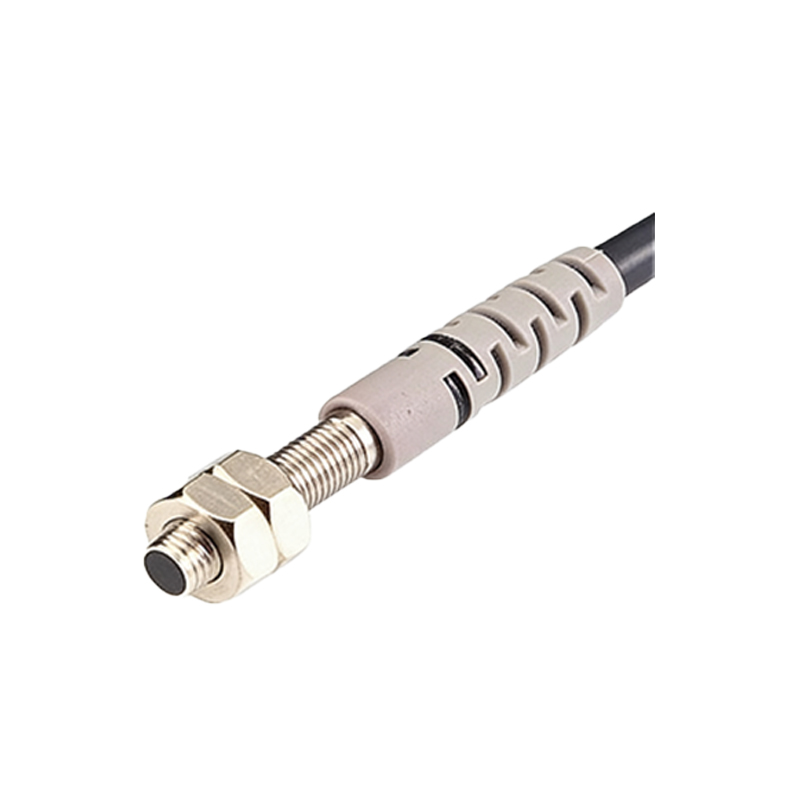
A typical two-hand photoelectric sensor system consists of two independent emitter-receiver pairs, each monitoring one hand. When both hands are placed over the sensors, the beams are interrupted, sending a signal to the machine control unit. The system requires both signals to be present simultaneously and continuously for a predefined time (e.g., 0.5 seconds) to initiate operation. If either hand is removed prematurely, the cycle stops immediately. Key components include high-speed photodiodes, anti-interference circuitry, and fail-safe relays. Advanced models integrate self-diagnostic functions to detect lens contamination or alignment drift, ensuring consistent performance.
Advantages Over Traditional Safety Methods
Compared to mechanical push-button two-hand controls, photoelectric sensors offer several distinct benefits. First, they eliminate physical contact, reducing mechanical fatigue and the need for frequent maintenance. Second, they provide faster response times, often below 20 milliseconds, which is critical for high-speed presses. Third, they can be designed with wider detection zones, accommodating operators wearing gloves or working with bulky tools. Additionally, photoelectric sensors are less prone to bypassing attempts, as they require deliberate hand placement. These advantages lead to higher productivity and lower total cost of ownership over the equipment lifecycle.
Application Scenarios and Installation Guidelines
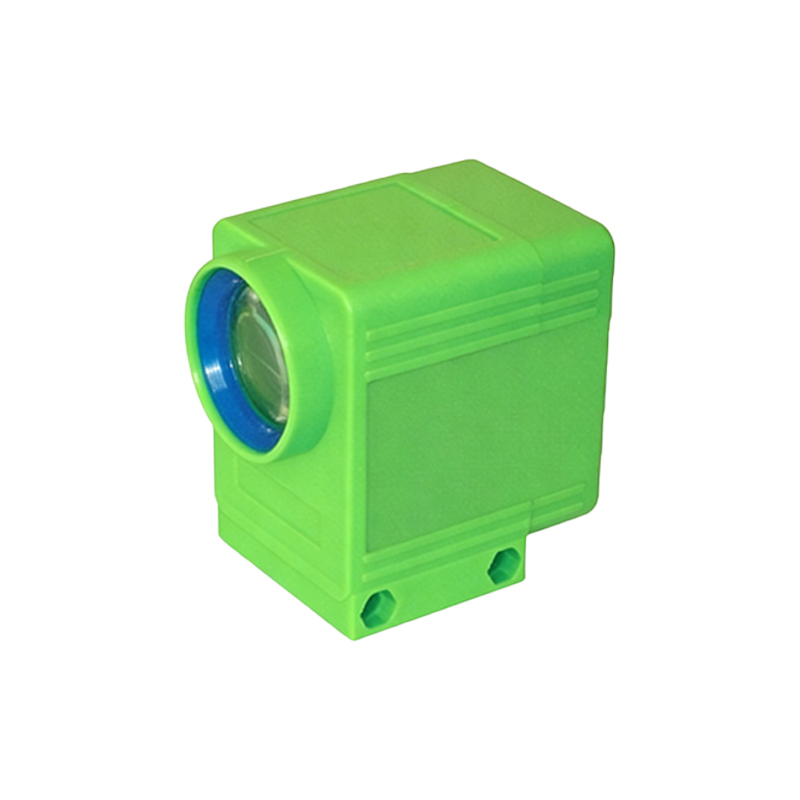
Two-hand photoelectric sensors are ideal for machines with pinch points, such as hydraulic presses, injection molding machines, and assembly robots. For optimal performance, sensors should be mounted at a height corresponding to the operator’s hand position, typically 700-900 mm above the floor. The distance between the two detection zones should be at least 300 mm to prevent one hand from covering both sensors. It is crucial to align the emitter and receiver precisely and to shield the system from ambient light interference, such as sunlight or welding arcs. Regular calibration checks, usually monthly, are recommended to maintain accuracy.
Future Trends and Integration with Industry 4.0
As factories move toward smart manufacturing, two-hand photoelectric sensors are evolving with digital connectivity. Newer models feature IO-Link interfaces, allowing real-time monitoring of sensor status, cycle counts, and fault diagnostics via a central control system. This integration enables predictive maintenance and reduces downtime. Furthermore, machine learning algorithms can analyze hand movement patterns to optimize safety logic without compromising speed. The adoption of 3D time-of-flight sensors is also emerging, offering gesture-based controls that enhance ergonomics. These innovations promise to make industrial safety systems more intelligent and adaptive.