Introduction to the LT61 Photoelectric Sensor
The LT61 is a high-performance photoelectric sensor designed for demanding industrial environments. Engineered with advanced optics and robust electronics, it excels in detecting objects, distances, and changes in light intensity. As a specialist in electrical engineering, I recommend the LT61 for applications requiring high precision, such as conveyor sorting, packaging machinery, and robotic positioning. Its compact housing and reliable performance make it a top choice for modern automation.
Key Technical Specifications
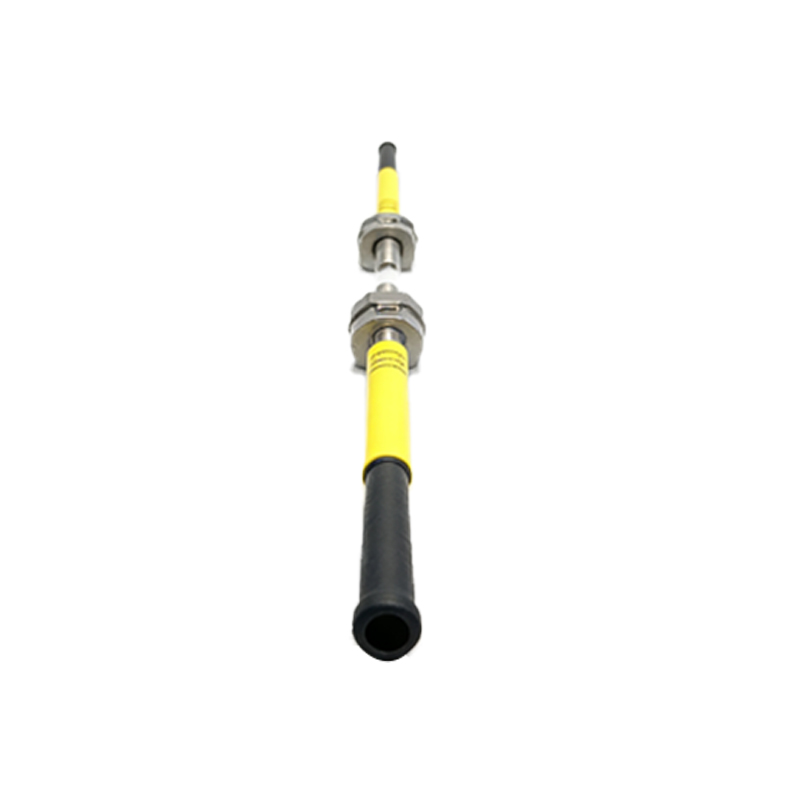
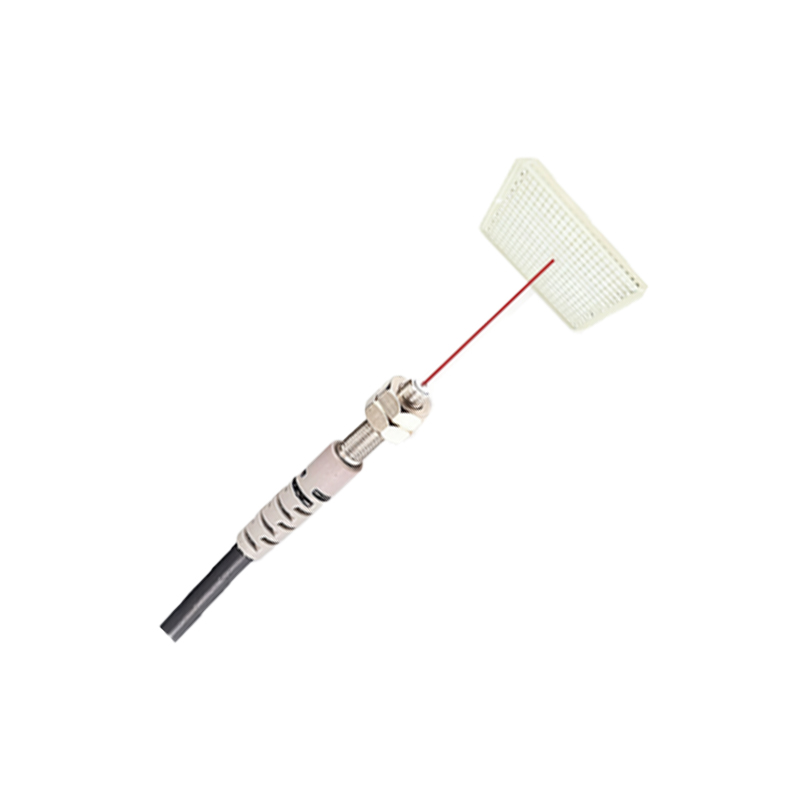
The LT61 operates with a sensing range of up to 10 meters for through-beam models and 3 meters for reflective models. It uses a modulated infrared LED, ensuring immunity to ambient light interference. With a response time of less than 1 millisecond, this sensor is ideal for high-speed processes. The LT61 supports both NPN and PNP outputs, and its IP67 rating guarantees protection against dust and water ingress. Operating temperature ranges from -25°C to 60°C, ensuring stability in harsh conditions.
Installation and Alignment Best Practices
Proper installation is critical for maximizing the LT61’s performance. For through-beam setups, ensure the emitter and receiver are aligned within 1 degree of accuracy. Use the built-in alignment indicator LED to simplify adjustments. Mount the sensor on vibration-free surfaces, and avoid direct exposure to harsh chemicals. For reflective models, select a reflector with matching surface quality to avoid false readings. Cable routing should follow shielded guidelines to minimize electrical noise.
Application Scenarios
In my projects, the LT61 has proven effective in diverse scenarios. For example, in a high-speed bottling line, it detected clear glass bottles with 99.9% accuracy. In warehouse automation, its through-beam version reliably tracked pallet positions over long distances. The sensor also excels in outdoor logistics, where its anti-fog lens and stable performance under rain or dust provide uninterrupted operation. These real-world applications highlight the LT61’s adaptability and durability.
Troubleshooting Common Issues
Users may encounter occasional issues like false triggers or reduced range. First, check for lens contamination—clean with a lint-free cloth and isopropyl alcohol. Verify alignment using a laser tool if necessary. If output signals fluctuate, inspect the wiring for loose connections or electromagnetic interference. Adjust the sensitivity potentiometer to filter out background noise. For persistent problems, consult the LT61’s datasheet or contact technical support for firmware updates.
Maintenance and Long-Term Reliability
To extend the LT61’s lifespan, perform quarterly inspections. Clean the lens and housing, and test the sensor under simulated load conditions. Replace the cable gland if damaged to maintain IP67 integrity. Keep a log of performance drift over time—this helps predict potential failures. With proper care, the LT61 typically exceeds 50,000 hours of operation, offering excellent return on investment for industrial systems.
Conclusion: Why Choose the LT61
The LT61 photoelectric sensor combines precision, ruggedness, and ease of integration. Its engineering-grade design meets the stringent demands of modern automation. For electrical engineers seeking a reliable sensing solution, the LT61 is a proven choice that enhances system efficiency and reduces downtime. I highly recommend evaluating it for your next project.