Introduction to Photoelectric Sensors
Photoelectric sensors are non-contact devices that use light beams to detect the presence, absence, or distance of objects. In industrial automation, these sensors convert light signals into electrical signals, enabling precise control and monitoring in manufacturing processes. By leveraging photoelectric principles, they detect a wide range of materials, including metal, plastic, glass, and wood, regardless of surface finish or color.
Core Operating Principles
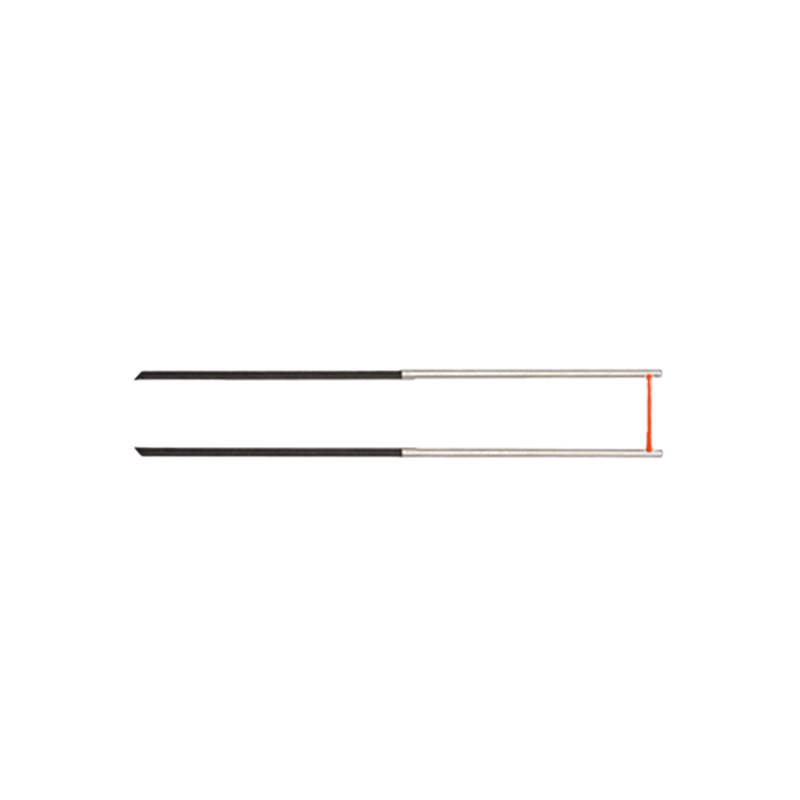
A photoelectric sensor typically consists of an emitter (light source) and a receiver (photodetector). The emitter generates a light beam, often in the infrared or visible spectrum, which is directed toward the target. The receiver interprets changes in light intensity, reflection, or interruption to trigger an output signal. Common operating modes include through-beam (separate emitter and receiver), retro-reflective (with a reflector), and diffuse (light reflected directly from the target).
Key Characteristics of Photoelectric Sensors

1. Non-Contact Detection: Eliminates mechanical wear, ensuring long lifespan and minimal maintenance.
2. High Sensitivity: Capable of detecting small, fast-moving, or transparent objects with precision.
3. Long Detection Range: Through-beam sensors can operate over distances up to 100 meters, suitable for conveyor systems and large-scale automation.
4. Versatility: Works across diverse environments, including dusty, wet, or high-temperature conditions, with IP ratings up to IP69K.
5. Fast Response Time: Some models achieve response times under 1 millisecond, ideal for high-speed production lines.
Types of Photoelectric Sensors
- Through-Beam Sensors: Offer the longest range and highest reliability, but require alignment of emitter and receiver.
- Retro-Reflective Sensors: Simplify installation by using a single housing and reflector, though limited by reflector cleanliness.
- Diffuse Sensors: Provide direct object detection without a separate reflector, but are sensitive to surface reflectivity.
- Fiber Optic Sensors: Use fiber cables for remote detection in confined spaces or harsh environments.
Advantages in Industrial Applications
Photoelectric sensors excel in tasks such as counting, positioning, packaging inspection, and conveyor control. Their immunity to electromagnetic interference and ability to detect transparent items (e.g., glass bottles) make them superior to inductive or capacitive sensors. Additionally, modern sensors integrate with PLCs via IO-Link for real-time diagnostics and configuration.
Selection Considerations
When choosing a photoelectric sensor, consider:
- Environmental Factors: Dust, fog, or ambient light may require modulated light sources or special housings.
- Object Characteristics: Color, transparency, and surface texture influence sensor choice (e.g., diffuse for dark objects, through-beam for glass).
- Mounting Space: Fiber optics or compact diffuse sensors fit tight areas.
- Output Type: NPN, PNP, analog, or IO-Link for compatibility with control systems.
Conclusion
Photoelectric sensors are indispensable in modern automation, offering reliable, high-speed detection across diverse materials and conditions. By understanding their definition, characteristics, and application nuances, engineers can optimize system performance and reduce downtime in industrial operations.