Introduction to Factory Direct Photoelectric Sensors
Photoelectric sensors are critical components in modern industrial automation, offering reliable object detection without physical contact. When sourced directly from the factory, these sensors provide cost-effective solutions for manufacturing lines, packaging systems, and material handling processes. Factory direct supply eliminates intermediaries, ensuring faster delivery and customized specifications for specific applications.
Key Operating Principles and Types
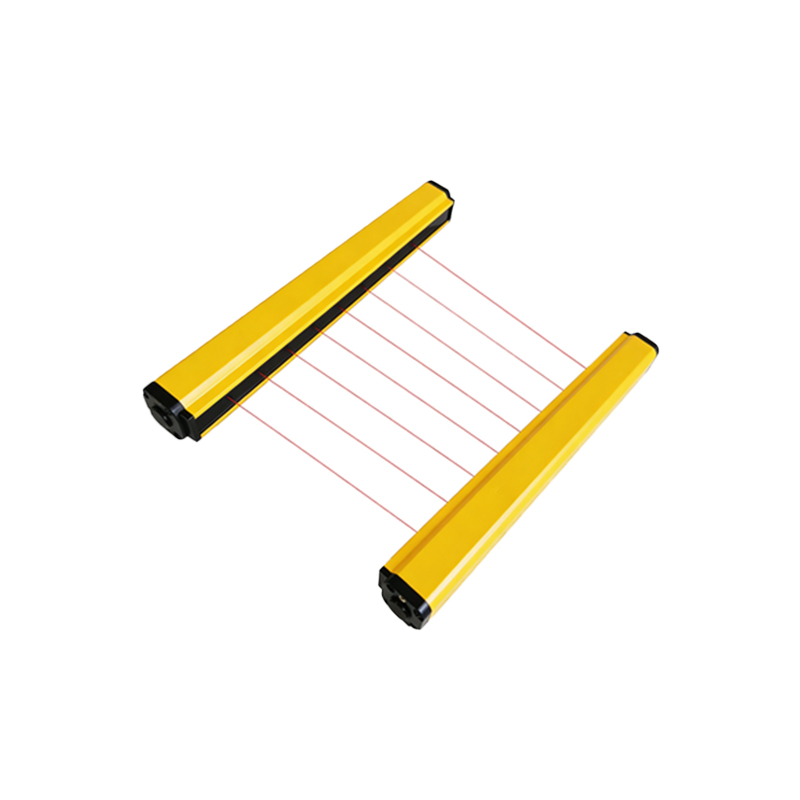
Factory direct photoelectric sensors operate using three primary modes: through-beam, retro-reflective, and diffuse. Through-beam sensors offer the longest detection range by using separate emitter and receiver units, ideal for harsh environments with dust or moisture. Retro-reflective sensors integrate emitter and receiver but require a reflector, providing moderate range and easy alignment. Diffuse sensors detect objects by sensing reflected light from the target itself, suitable for short-range applications with non-reflective surfaces. Advanced models feature adjustable sensitivity and background suppression for enhanced accuracy.
Industrial Applications and Benefits
In manufacturing plants, these sensors are deployed for conveyor belt monitoring, part presence verification, and automated sorting. Factory direct units offer robust construction with IP67 or IP69K ratings, resisting coolant, vibration, and temperature extremes from -25°C to 70°C. Their fast response times, typically under 1 millisecond, ensure precise timing in high-speed production lines. Common uses include detecting transparent bottles in beverage plants, monitoring web tension in printing presses, and verifying weld nut presence in automotive assembly.
Technical Specifications and Selection Criteria
When selecting factory direct photoelectric sensors, engineers must consider sensing distance, output type (NPN/PNP), and connection style (cable or M12 connector). For example, a through-beam pair with 30-meter range works well for large warehouse doors, while a diffuse sensor with 200mm range suits robotic gripper confirmation. Factory direct options often include IO-Link communication for real-time diagnostics and parameter adjustments. Ensure the sensor's light source (red LED, infrared, or laser) matches the target material – laser types excel for small parts, while infrared handles dusty conditions better.
Installation Best Practices and Troubleshooting
Proper installation is crucial for reliable performance. Mount sensors with alignment tools to avoid misalignment, especially for through-beam configurations. Use shielded cables in high-EMI environments and maintain clean optical surfaces. Common issues include false triggering from ambient light or reflective backgrounds – solve this with polarizing filters or background suppression models. Factory direct technical support often provides application-specific guidance, such as adjusting gain settings for glossy or dark targets.
Cost Efficiency and Quality Assurance
Choosing factory direct photoelectric sensors reduces overall project costs by up to 20% compared to distributor-based sourcing. Manufacturers offer rigorous quality control, including 100% functional testing and ISO 9001 certifications. Bulk orders often include extended warranties up to 5 years. For example, a food processing plant switching to factory direct sensors saved $15,000 annually on replacement parts and downtime. Consistent product revisions also ensure compatibility with existing control systems like PLCs and safety relays.
Future Trends and Technological Advancements
The next generation of factory direct photoelectric sensors integrates smart features like self-diagnostics, predictive maintenance alerts, and wireless connectivity. Miniaturized units with circular or rectangular housings fit tight spaces in collaborative robots. Emerging technologies include time-of-flight sensors for 3D object detection and multicolor sensors for color mark recognition. Factory direct innovation allows rapid prototyping of custom sensor arrays, supporting Industry 4.0 initiatives with reduced lead times.
Conclusion and Recommendations
Factory direct photoelectric sensors offer unmatched value for industrial automation, combining precision, durability, and cost savings. Engineers should evaluate specific application needs – from harsh environments to high-speed sorting – and leverage manufacturer expertise for custom solutions. By prioritizing direct sourcing, facilities can achieve higher uptime, simplified inventory management, and long-term operational efficiency. Regular calibration and periodic cleaning further extend sensor lifespan, maximizing return on investment.