Introduction to Transmission-Type Photoelectric Sensors
Transmission-type photoelectric sensors, also known as through-beam sensors, are a fundamental component in industrial automation and control systems. These sensors consist of a separate emitter and receiver, positioned opposite each other to create an uninterrupted light beam. When an object passes between them, it interrupts the beam, triggering a response. This design offers high reliability, long sensing distances, and immunity to ambient light interference, making them ideal for harsh environments. In this article, we explore the working principles, key benefits, practical applications, and selection criteria for transmission-type photoelectric sensors.
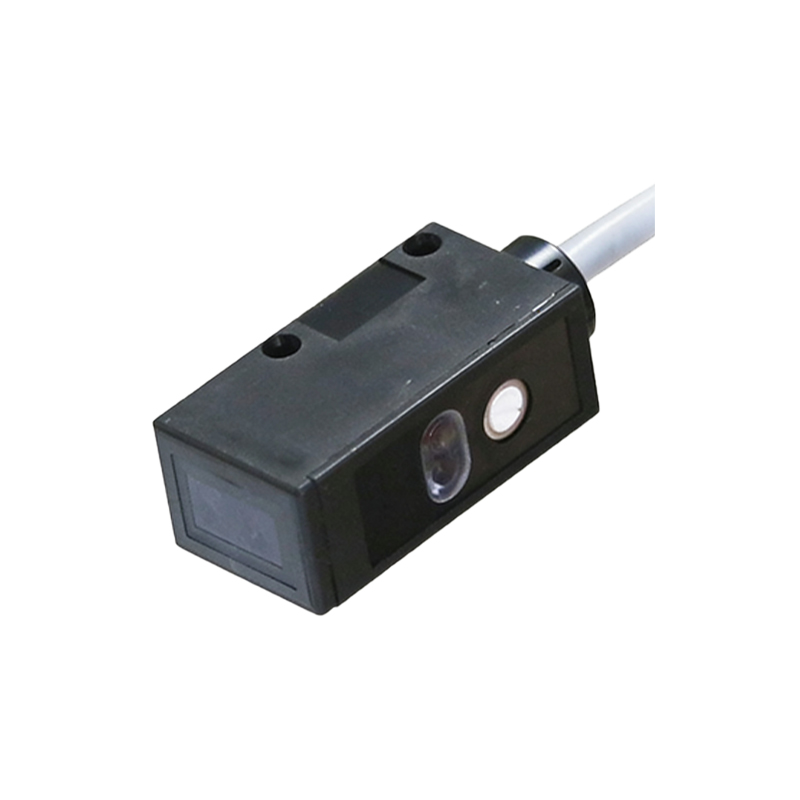
Working Principle of Through-Beam Sensors
The operation of a transmission-type photoelectric sensor is straightforward. The emitter generates a light beam, typically infrared, visible red, or laser, which is directed toward the receiver. The receiver continuously monitors the beam intensity. When a target object blocks the beam, the receiver detects a decrease in light intensity or complete obstruction, causing the output to switch states. Unlike retro-reflective or diffuse sensors, through-beam sensors rely on direct line-of-sight alignment, which minimizes false triggers and ensures precise detection. This principle is especially effective for detecting opaque objects, small parts, or items in dusty environments.
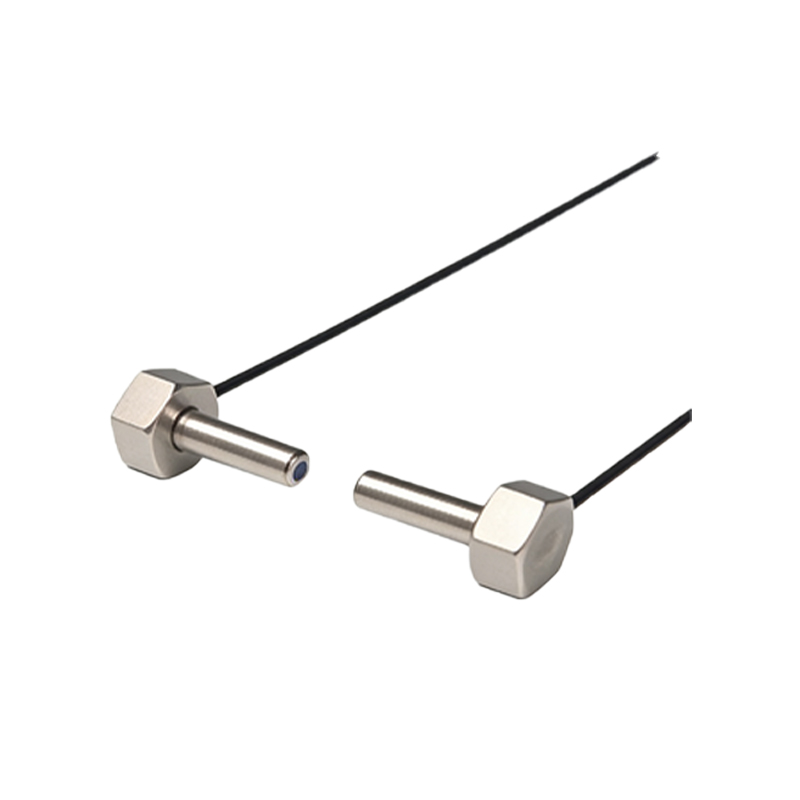
Key Advantages in Industrial Settings
Transmission-type sensors offer several distinct advantages over other sensor types. First, they provide the longest sensing distances, ranging from a few meters to over 100 meters, depending on the model. Second, they exhibit strong immunity to environmental factors like dust, fog, or smoke because the receiver can still detect a partially attenuated beam. Third, they are highly reliable for detecting small or transparent objects, as the beam is precisely focused. Additionally, these sensors require minimal maintenance and have a long operational life, reducing downtime in automated production lines.
Common Applications in Manufacturing and Logistics
These sensors are widely used across various industries. In manufacturing, they are employed for part presence detection, conveyor belt monitoring, and counting processes. For example, in automotive assembly lines, through-beam sensors verify the presence of components before welding or painting. In logistics, they ensure proper package alignment on sorting conveyors, detect jams, and control automated guided vehicles (AGVs). In food and beverage packaging, they distinguish between filled and empty containers. Their ability to operate reliably in wet or dusty conditions makes them a preferred choice for heavy-duty applications.
Selection Criteria for Engineers
When selecting a transmission-type photoelectric sensor, engineers must consider several factors. First, evaluate the sensing range required for your application, as this determines the emitter and receiver power. Second, assess the target material and size; for transparent or reflective objects, choose sensors with modulated light to reduce interference. Third, consider environmental conditions such as temperature, humidity, and exposure to chemicals. Fourth, review output types (e.g., NPN, PNP, or analog) and response speed to match your control system. Finally, prioritize rugged housings with IP67 or higher ratings for outdoor or washdown environments.
Installation and Troubleshooting Tips
Proper installation is critical for optimal performance. Ensure the emitter and receiver are perfectly aligned, using alignment aids like laser pointers or mounting brackets. Avoid placing sensors near strong electromagnetic fields or vibration sources. For maintenance, regularly clean the lens covers with a soft cloth to prevent dust buildup. Common issues include beam misalignment due to thermal expansion or mechanical wear, which can be resolved by re-calibrating the sensor. If false triggers occur, adjust the sensitivity or reduce the beam width using a beam-forming lens.
Future Trends and Innovations
The evolution of transmission-type photoelectric sensors is driven by Industry 4.0 demands. Modern sensors now integrate IO-Link communication for real-time diagnostics and parameter adjustments. Laser-based models offer higher precision for micro-object detection. Additionally, sensors with self-calibration and adaptive sensitivity are emerging, reducing manual intervention. As automation expands, these sensors will continue to play a vital role in smart factories, enabling predictive maintenance and improving overall equipment effectiveness (OEE).
Conclusion
Transmission-type photoelectric sensors are indispensable tools for reliable object detection in industrial environments. Their long sensing range, robustness, and precision make them suitable for diverse applications, from automotive assembly to logistics. By understanding their working principles, selecting appropriate models, and following best installation practices, engineers can maximize system performance and minimize downtime. For any automation project requiring high accuracy and durability, these sensors remain a top choice.