Introduction to Photoelectric Sensors
Photoelectric sensors are critical components in industrial automation, converting light signals into electrical outputs to detect objects, distances, and positions. Unlike mechanical switches, these sensors operate without physical contact, enhancing reliability and lifespan in harsh environments. Their smart principles integrate optoelectronics, signal processing, and adaptive algorithms, enabling precision in applications like conveyor belt monitoring, robotic guidance, and packaging inspection.
Core Operating Principle: Light Emission and Reception
The fundamental operation relies on a transmitter (usually an LED or laser diode) emitting a beam of light, and a receiver (photodiode or phototransistor) detecting the reflected or interrupted light. In through-beam sensors, the object breaks the direct line between emitter and receiver, triggering a signal. Retro-reflective sensors use a reflector to bounce the beam back, while diffuse sensors detect light scattered from the object itself. Smart modulation techniques, such as pulse frequency coding, prevent interference from ambient light or other sensors in the same zone.
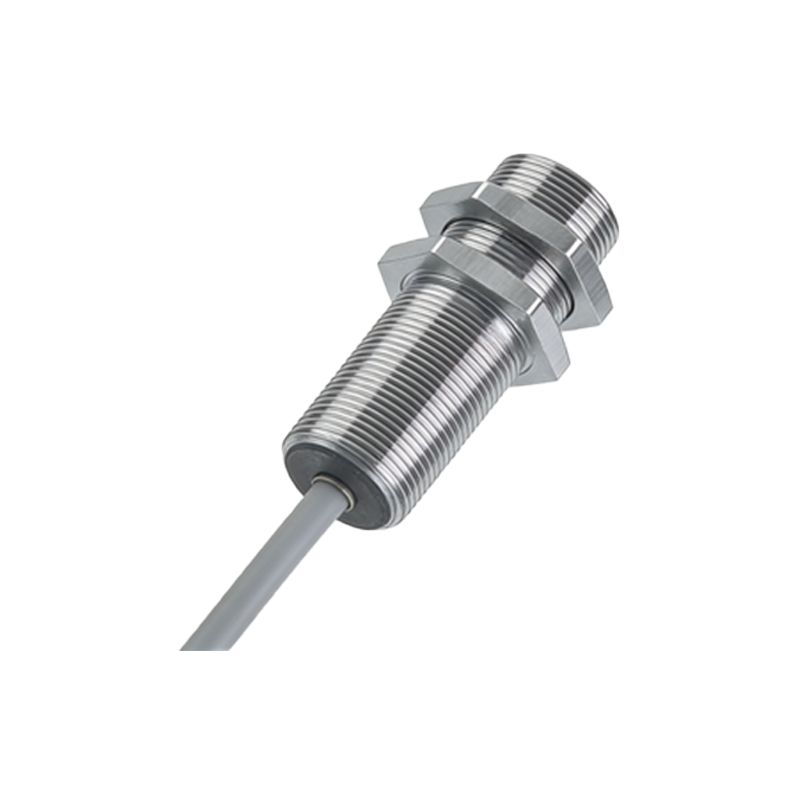
Intelligent Signal Processing for Noise Immunity
Modern smart photoelectric sensors employ microcontrollers to filter and analyze incoming light signals. Algorithms distinguish between valid object detection and false triggers caused by dust, vibration, or stray light. For example, adaptive thresholding automatically adjusts sensitivity based on background reflectance, ensuring stable operation even with glossy or dark objects. Time-of-flight (ToF) technology further enhances precision by measuring the time delay between emitted and received light pulses, enabling accurate distance measurement up to several meters.
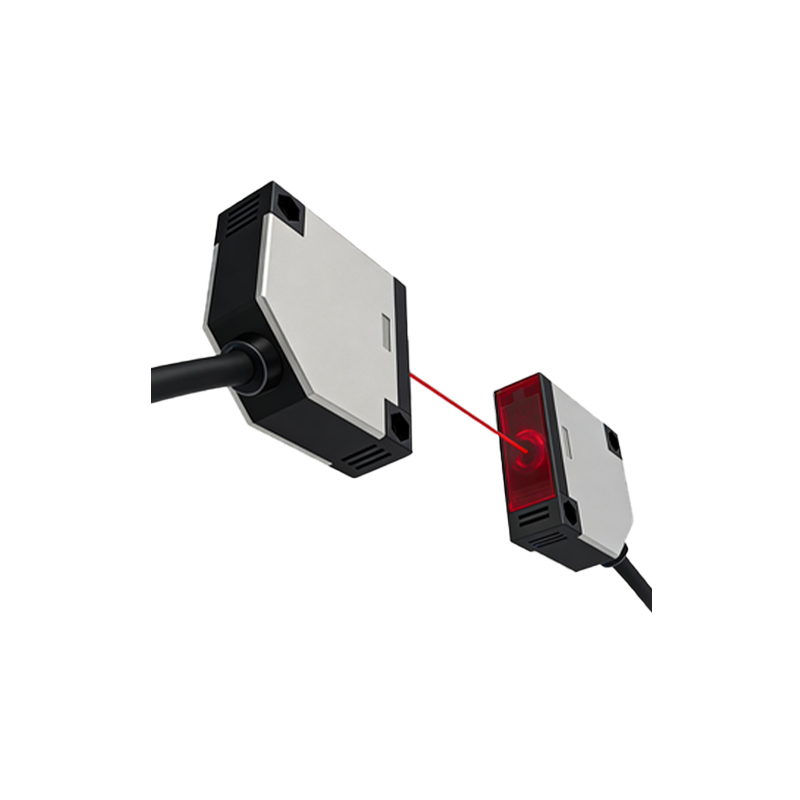
Adaptive Sensing and Self-Diagnostics
Advanced sensors feature self-learning capabilities, where they calibrate during initial setup by scanning the environment. This allows them to ignore stationary background objects and focus on dynamic targets. Built-in diagnostics monitor parameters like signal strength, temperature, and component aging, sending alerts for preventive maintenance. Some devices even switch between operating modes (e.g., from diffuse to retro-reflective) automatically based on object characteristics, optimizing performance without manual intervention.
Integration with Industrial Networks
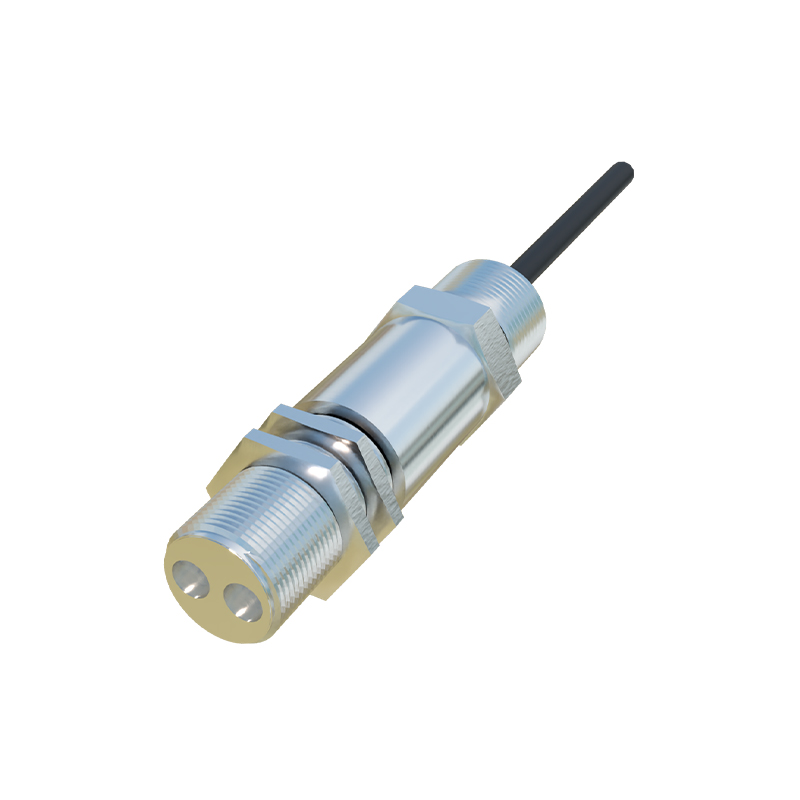
Smart photoelectric sensors are increasingly equipped with IO-Link or Ethernet interfaces, enabling real-time communication with PLCs and SCADA systems. This allows remote parameter adjustment, data logging, and predictive analytics. For instance, a sensor can report not just the presence of an object but also its size, speed, and color, contributing to Industry 4.0 ecosystems. The ability to share diagnostic data reduces downtime and improves overall equipment effectiveness (OEE).
Conclusion: The Future of Smart Photoelectric Sensors
As automation demands higher speed and accuracy, photoelectric sensors will continue evolving with AI-driven edge computing and multi-spectral sensing. Their smart principles—combining robust hardware with intelligent software—make them indispensable for modern manufacturing. Engineers can expect even more compact designs, lower power consumption, and enhanced connectivity, driving innovation in sectors from automotive assembly to food processing.