Understanding the Challenges of Black Object Detection
In industrial automation, photoelectric sensors are widely used for object detection, but black objects pose a unique challenge. Black surfaces absorb most of the emitted light, especially in the infrared spectrum, leading to reduced reflectivity and unreliable detection. This absorption can cause false triggering or missed targets, particularly in high-speed production lines. As an electrical engineer, I often encounter this issue in applications like conveyor sorting or robotic pick-and-place. The key is to select the right sensor type and adjust parameters to compensate for low reflection.
Selecting the Appropriate Sensor Technology
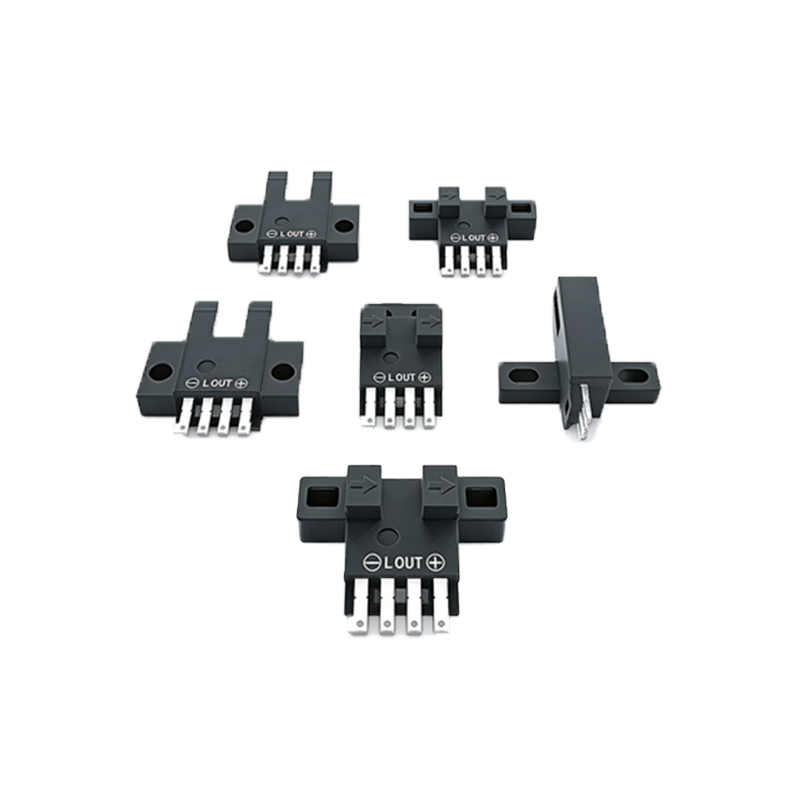
For black object detection, diffuse reflective sensors are often inadequate due to their reliance on reflected light. Instead, engineers should consider polarized retro-reflective sensors or through-beam sensors. Polarized sensors use light filters to detect polarized reflections from a reflector, which can be effective even with dark targets. Through-beam sensors, with separate emitter and receiver, offer the highest reliability as they detect the object by breaking the light beam, regardless of color. For dynamic environments, background suppression sensors are also viable, as they measure distance rather than light intensity.
Adjusting Sensing Range and Sensitivity
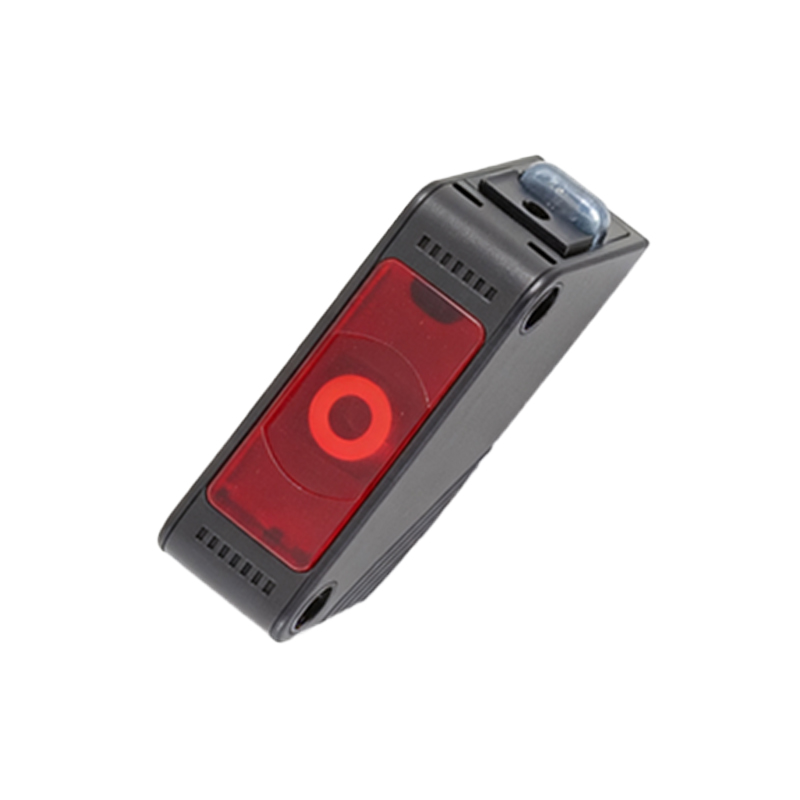
Even with optimal sensor types, fine-tuning is crucial. Black objects typically require a reduced sensing range—often 50% to 70% of the rated range for white objects. For example, a sensor rated for 1 meter on white may only detect a black object at 0.5 meters. Sensitivity adjustments, such as increasing the amplifier gain or using a teach-in function, can help. In my projects, I often use sensors with automatic gain control to adapt to varying reflectivity. Additionally, aligning the sensor at a slight angle (e.g., 10-15 degrees) can reduce direct light absorption.
Implementing Environmental and Electrical Countermeasures
Industrial settings introduce ambient light interference, dust, and vibration. For black object detection, shield the sensor from direct sunlight or bright LEDs using hoods or filters. Use modulated light sensors (e.g., 880 nm infrared) to reject ambient noise. Electrically, ensure stable power supply with proper grounding to avoid noise spikes. For harsh environments, consider IP67-rated sensors with glass lenses to maintain consistent performance. Periodic cleaning of the sensor face is also necessary, as dust accumulates faster near dark surfaces.
Practical Application Examples and Testing
In a recent conveyor application, I used a polarized retro-reflective sensor for black plastic parts. Initial tests showed intermittent detection at 0.8 meters, but after reducing the range to 0.5 meters and adjusting the threshold, reliability improved to 99.8%. For through-beam sensors, I recommend placing them 2-3 cm apart to detect small black components like rubber seals. Always conduct a 24-hour trial run with different black materials (e.g., matte, glossy, textured) to validate performance. Documenting these settings ensures repeatability across production shifts.
Future Trends and Recommendations
Emerging sensor technologies, such as time-of-flight (ToF) lasers and multi-spectrum sensors, are improving black object detection. ToF sensors measure time delay rather than intensity, making them immune to color. I recommend upgrading to these for critical applications. For cost-sensitive projects, stick with through-beam or polarized sensors but invest in high-quality optics. As an engineer, always consult the sensor datasheet for black object correction factors and test with your specific materials. Ultimately, a systematic approach—from sensor selection to field tuning—ensures robust automation.