Introduction to Light-Controlled Photoelectric Sensors
Light-controlled photoelectric sensors are pivotal components in modern industrial automation systems. These devices utilize light beams to detect the presence, absence, or distance of objects without physical contact, ensuring high precision and reliability. Unlike traditional mechanical switches, they offer faster response times, longer operational lifespans, and superior performance in harsh environments. This article delves into their working principles, types, applications, and best practices for integration, tailored for electrical engineers seeking to optimize automation processes.
Working Principles and Core Technologies
The fundamental operation of a light-controlled photoelectric sensor relies on emitting a light beam (typically infrared, visible red, or laser) from a transmitter and receiving it via a photodetector. The sensor triggers an output signal when the beam is interrupted or reflected by a target object. Key technologies include modulation techniques to filter ambient light interference, advanced optics for focused beams, and solid-state electronics for noise immunity. Engineers must consider factors like beam divergence and target reflectivity to ensure accurate detection in demanding settings.
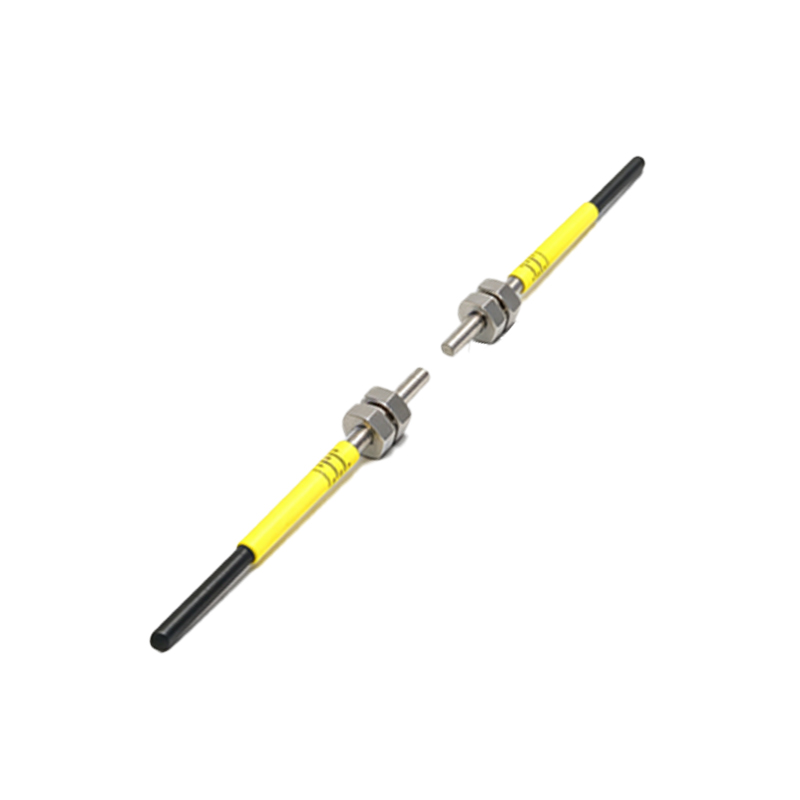
Types of Light-Controlled Photoelectric Sensors
There are three main configurations: through-beam, retro-reflective, and diffuse reflective. Through-beam sensors separate the emitter and receiver, offering the longest range and highest immunity to contamination, ideal for conveyor belt monitoring. Retro-reflective sensors use a reflector to bounce the beam back, simplifying wiring in limited spaces. Diffuse reflective sensors detect objects by their reflective properties, excelling in short-range applications like packaging. Each type has distinct advantages—engineers must evaluate detection distance, object material, and environmental conditions before selection.
Key Applications in Industrial Automation
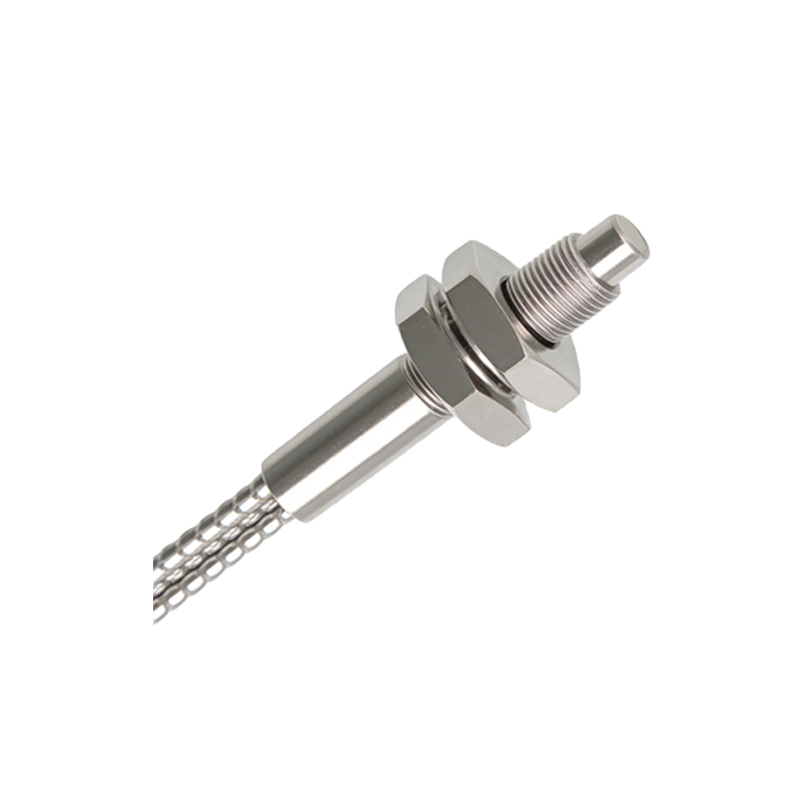
These sensors are widely deployed in material handling, assembly lines, and quality control. For instance, in automotive manufacturing, they ensure precise part positioning during robotic welding. In logistics, they monitor package flow through sorting systems. Their non-contact nature makes them indispensable for detecting fragile or high-temperature objects. Additionally, they support Industry 4.0 integration by providing real-time data for predictive maintenance, reducing downtime in smart factories.
Installation and Calibration Best Practices
Proper installation is critical for optimal performance. Engineers should mount sensors with unobstructed field of view, avoiding reflective surfaces that cause false triggers. Calibration involves adjusting sensitivity to match target characteristics, using tools like alignment aids for through-beam setups. Environmental factors like dust, fog, or vibration require regular cleaning and robust enclosures (IP67 or higher). Testing with actual production objects ensures reliable operation under varying conditions.
Common Challenges and Solutions
Challenges include ambient light interference, cross-talk between multiple sensors, and surface reflectivity variations. To mitigate these, select sensors with modulated light sources and built-in interference rejection. In high-density sensor arrays, stagger frequencies or use shielded cables. For low-reflectivity objects (e.g., black rubber), choose sensors with high-gain settings or specialized optics. Regular maintenance schedules and firmware updates extend sensor lifecycle and accuracy.
Future Trends and Innovations
Emerging trends include IO-Link communication for smart diagnostics, miniaturization for compact equipment, and integration with AI for adaptive detection. Next-generation sensors incorporate time-of-flight (ToF) technology for 3D mapping, enabling complex tasks like robotic bin picking. As industries push toward zero-defect manufacturing, light-controlled photoelectric sensors will evolve with higher resolution, lower power consumption, and enhanced connectivity, driving the next wave of automation efficiency.