Introduction to the Latest Breakthrough
As an electrical engineer specializing in industrial automation, I have witnessed firsthand the evolution of photoelectric sensors over the past decade. The recent breakthrough in photoelectric sensor technology marks a significant leap forward, addressing long-standing challenges in sensing accuracy, environmental resilience, and integration complexity. This article explores the key innovations that are reshaping the landscape of industrial sensing, offering engineers and system designers new tools to enhance productivity and reliability.
Enhanced Detection Range and Accuracy
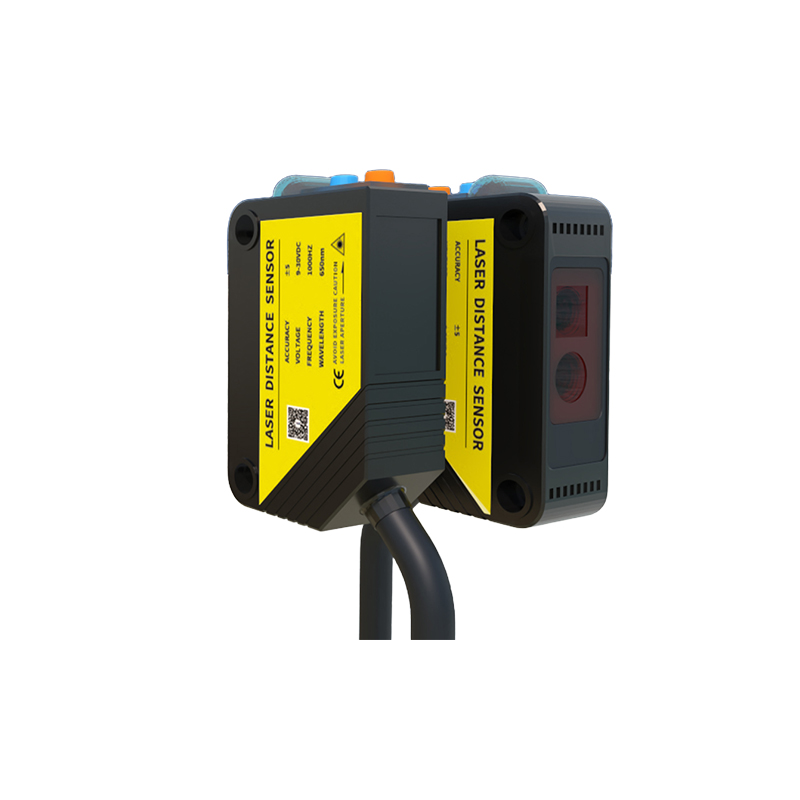
One of the most notable advancements is the extension of detection range without compromising accuracy. Traditional photoelectric sensors often struggled with long-distance sensing in dusty or foggy environments. The new generation utilizes advanced laser diode emitters and proprietary lens designs, achieving detection distances up to 50 meters with sub-millimeter precision. This improvement is crucial for applications in warehouse logistics, where precise object positioning at great distances is required. Additionally, improved background suppression algorithms allow these sensors to ignore reflective surfaces, reducing false triggers.
Robust Environmental Resistance
Industrial environments are notoriously harsh, with temperature fluctuations, moisture, and contamination from dust or oils. The latest sensors feature IP69K-rated housings, making them suitable for high-pressure washdowns and extreme temperatures ranging from -40°C to 80°C. Moreover, advanced optical coatings and sealed electronics prevent condensation and corrosion, ensuring consistent performance in food processing plants and outdoor installations. These durability enhancements minimize maintenance downtime and extend sensor lifespan.
Smart Communication and Integration
Modern photoelectric sensors are no longer just analog signal providers. They now integrate IO-Link communication protocols, enabling real-time data exchange with programmable logic controllers (PLCs). This allows engineers to remotely adjust sensitivity settings, monitor sensor health, and receive diagnostic alerts. For example, a sensor can now report its own contamination level, prompting preventive cleaning. This smart capability simplifies system integration and supports Industry 4.0 initiatives, reducing cabling complexity and enabling predictive maintenance.
Energy Efficiency and Miniaturization
Power consumption has been dramatically reduced through the use of low-power microcontrollers and efficient LED drivers. Some models now operate on less than 10 milliwatts, allowing battery-powered or energy-harvesting applications. Simultaneously, miniaturization has shrunk sensor footprints to as small as 10 x 20 x 5 millimeters, enabling integration into compact robotic arms or conveyor systems. These advancements open new possibilities for mobile automation and space-constrained production lines.
Application-Specific Innovations
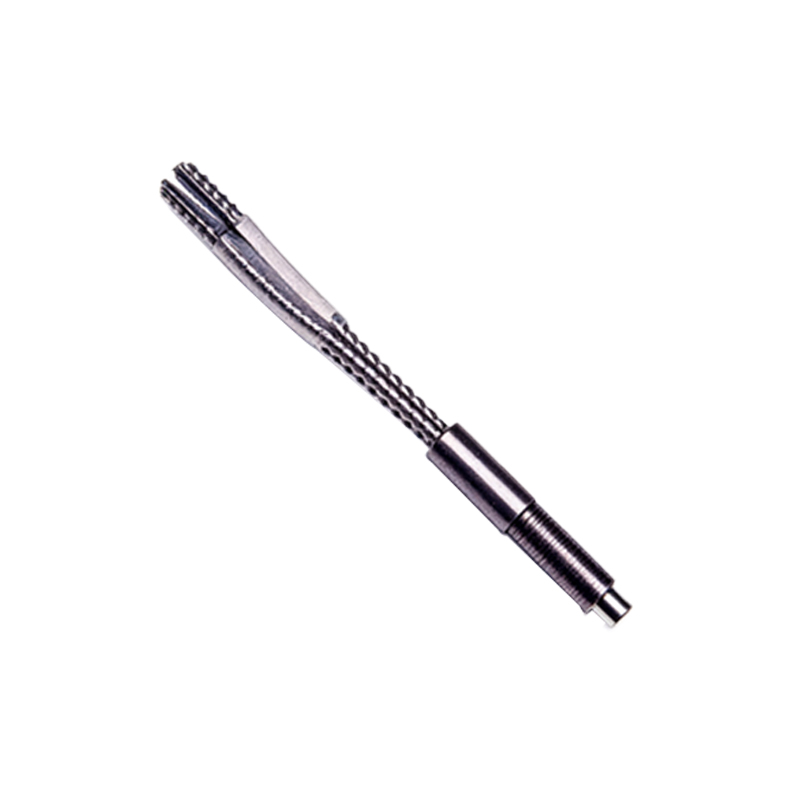
New sensor variants are tailored for specialized tasks. For instance, color-contrast sensors now distinguish between 256 shades, critical for quality control in printing or packaging. Fork sensors with integrated logic gates allow for precise counting of small parts in assembly lines. Additionally, fiber-optic models with bend-resistant cables provide unparalleled flexibility for sensing in confined spaces. These application-specific solutions reduce the need for custom engineering, accelerating deployment.
Conclusion: Implications for Industry
These breakthroughs in photoelectric sensor technology represent a paradigm shift for automation engineers. With enhanced range, robustness, smart features, and energy efficiency, these sensors are set to reduce system complexity, improve uptime, and enable new automation strategies. As we move toward more autonomous factories, the role of these advanced sensors will be pivotal in achieving higher throughput and quality standards. I recommend that engineers evaluate these new offerings for their next system upgrade to stay competitive.