1. Advanced Optical Design and Self-Cleaning Mechanisms
In dusty industrial settings, photoelectric sensors often outperform other sensing technologies due to their unique optical design. Many models incorporate a convex or angled lens surface that minimizes dust accumulation. Additionally, some sensors feature air-assisted purging systems or vibration-based self-cleaning mechanisms that dislodge particles from the emitter and receiver. This design ensures that even in heavy dust environments, the light beam remains unobstructed, maintaining reliable detection.
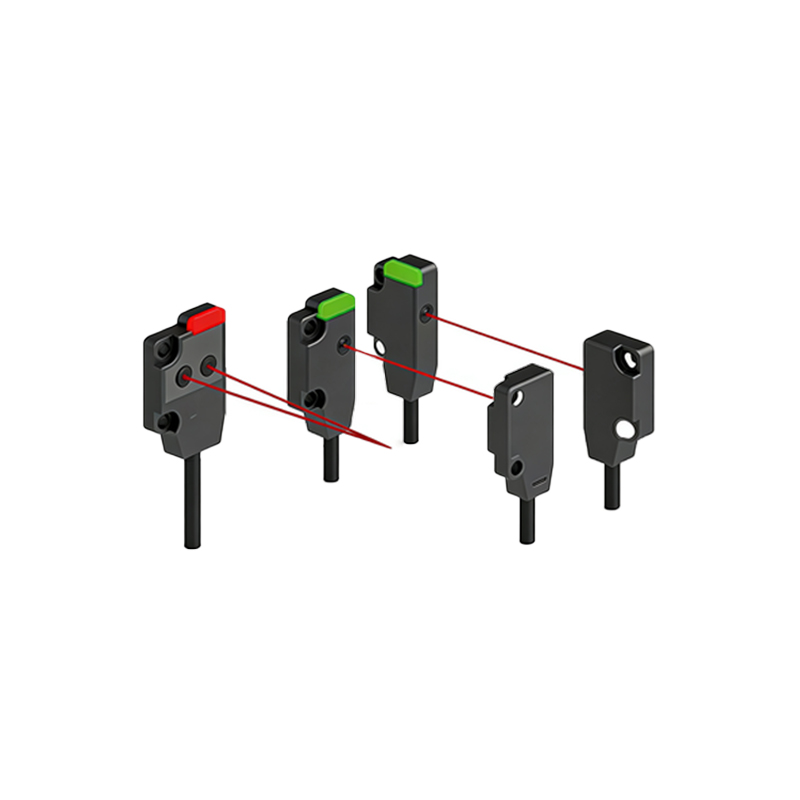
2. Use of High-Intensity and Modulated Light Sources
Photoelectric sensors rely on high-intensity light sources, such as infrared (IR) or laser diodes, which can penetrate through moderate dust layers. More importantly, they use modulated light—pulsing the beam at a specific frequency. The receiver is tuned to recognize only that frequency, effectively filtering out ambient light and dust-induced reflections. This modulation significantly reduces false triggers caused by airborne particles.
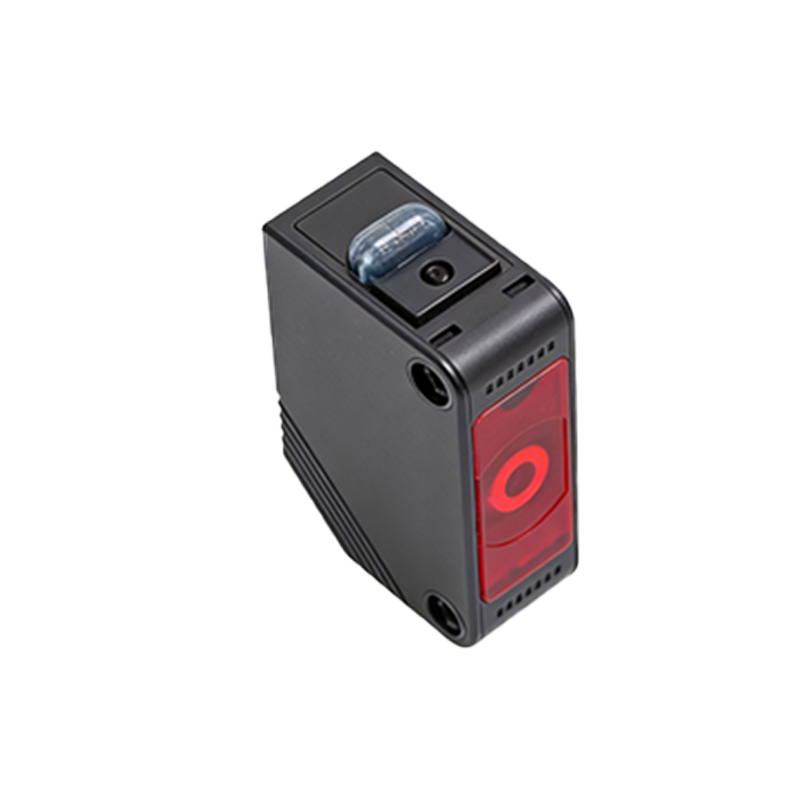
3. Dust-Resistant Enclosures and IP Ratings
For extreme environments, sensors are housed in robust enclosures with high Ingress Protection (IP) ratings, such as IP67 or IP69K. These enclosures seal the internal electronics from dust ingress. The housing often includes gaskets, O-rings, and metal casings that prevent dust from settling on optical components. This physical barrier is critical for long-term reliability in cement plants, grain silos, or mining operations.
4. Background Suppression and Adaptive Algorithms
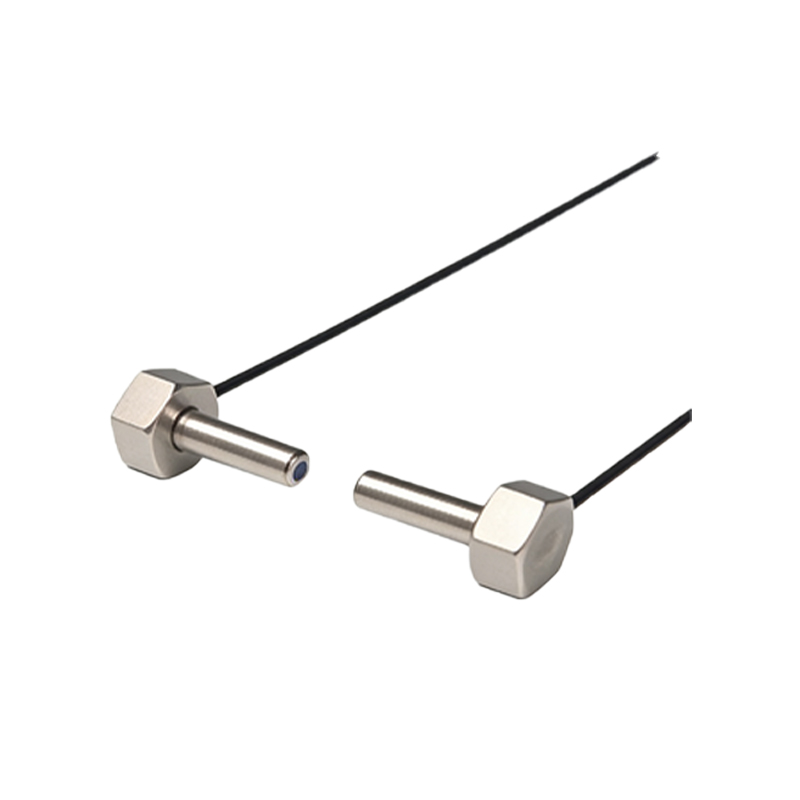
Modern photoelectric sensors incorporate background suppression technology, which distinguishes between the target and dust particles. By using a triangulation principle or time-of-flight measurement, the sensor can ignore small dust particles that are close to the lens. Adaptive algorithms also automatically adjust sensitivity based on real-time dust conditions, ensuring stable operation without manual recalibration.
5. Maintenance-Friendly Design for Extended Lifespan
Engineers have designed these sensors for easy maintenance in dusty environments. Removable lens covers, clear plastic shields, and accessible air nozzles allow quick cleaning without damaging the sensor. Some models include built-in diagnostics that alert operators when the lens is too dirty, prompting timely intervention. This proactive approach minimizes downtime and extends the sensor's operational life.