Introduction to Hand-Scan Reflective Photoelectric Sensors
Hand-scan reflective photoelectric sensors are critical components in modern industrial automation, particularly in applications requiring non-contact object detection. These sensors operate by emitting a beam of light, typically infrared or visible red, which reflects off a target object and returns to the sensor’s receiver. Unlike through-beam sensors, they integrate the emitter and receiver in a single housing, making them compact and easier to install. Their hand-scan capability allows for precise detection of objects at varying distances, such as in conveyor systems, packaging lines, and robotic workcells.
Working Principle and Key Features
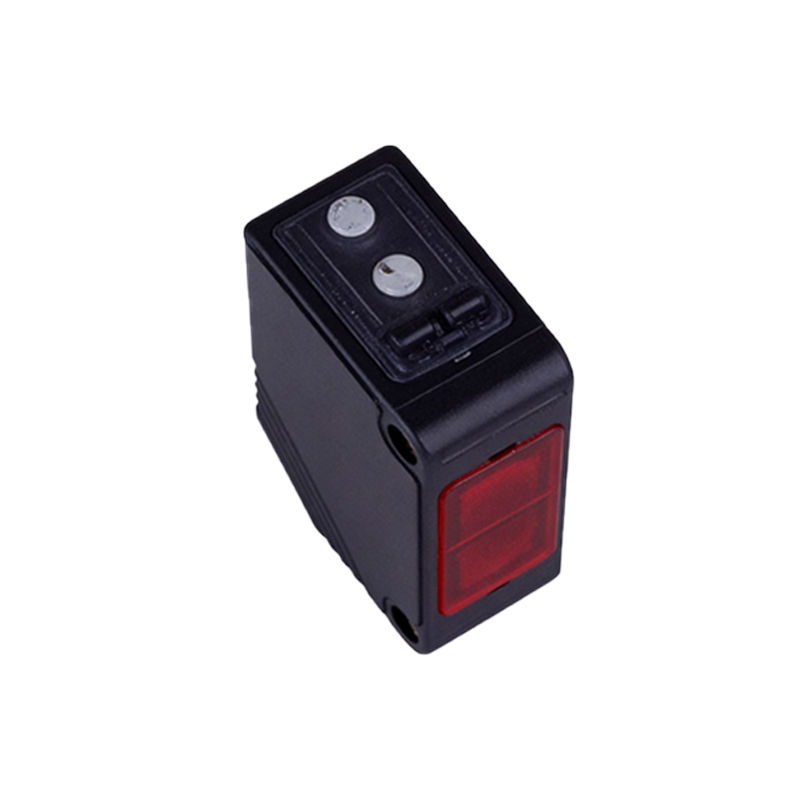
The sensor functions based on the principle of light reflection. When a target, such as a hand or product, enters the detection zone, the emitted light is reflected back to the receiver. The sensor then triggers an output signal, which can be used to initiate a control action. Key features include adjustable sensitivity, which allows for fine-tuning in different environments, and a built-in background suppression function to avoid false triggers from reflective surfaces like shiny metals or glossy plastics. The response time is typically in microseconds, ensuring high-speed operation in fast-moving production lines.
Application Scenarios in Industry
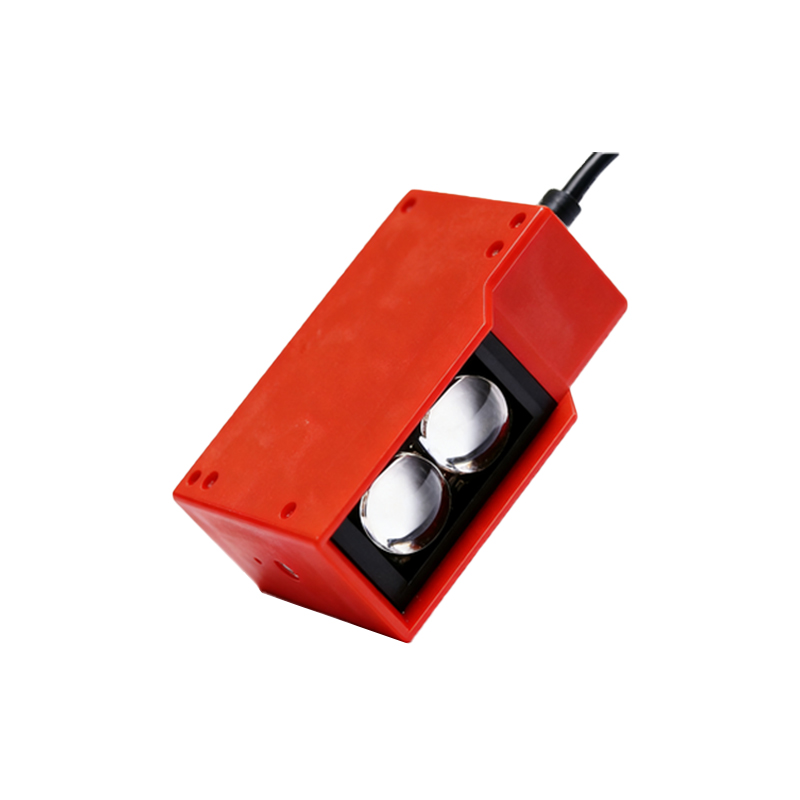
In industrial settings, hand-scan reflective sensors are widely used for presence detection, counting, and positioning. For example, in a bottling plant, they detect the arrival of bottles on a conveyor belt and signal the filling station to activate. In packaging machinery, they verify that a product is correctly placed before sealing. They are also essential in safety applications, such as detecting operator hands near moving parts to prevent accidents. Their rugged design, with IP67-rated enclosures, allows them to withstand harsh environments including dust, moisture, and vibration.
Selection and Installation Guidelines
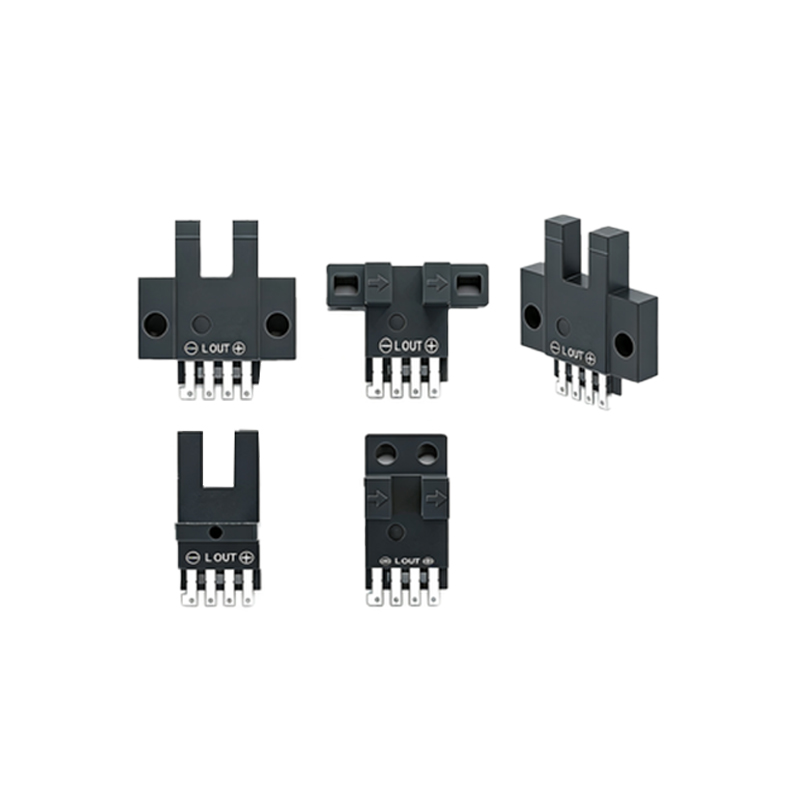
When selecting a hand-scan reflective photoelectric sensor, consider factors such as detection range, target material, and ambient light conditions. For instance, sensors with a long range (up to 2 meters) are suitable for large conveyor systems, while short-range units (10-50 cm) are ideal for compact machinery. Installation should ensure a clear line-of-sight between the sensor and the target, avoiding obstacles and excessive dust buildup. Use mounting brackets with vibration dampeners to maintain stable alignment, and test the sensor’s performance after installation with a calibration tool.
Maintenance and Troubleshooting Tips
Regular maintenance involves cleaning the sensor lens with a lint-free cloth and checking for accumulated debris or damage. If the sensor fails to detect properly, verify the power supply voltage (typically 10-30V DC) and check for loose wiring. Use a diagnostic tool to test the output signal and adjust the sensitivity potentiometer if needed. Common issues include false triggering from stray reflections, which can be mitigated by reducing the sensor’s sensitivity or adding a shield.
Future Trends and Innovations
The latest advancements include sensors with IO-Link communication for real-time data monitoring and diagnostics, as well as miniaturized designs for integration into compact robotic systems. AI-enhanced models can adapt to changing environmental conditions, such as fluctuating light levels or moving backgrounds, improving reliability. As Industry 4.0 continues to evolve, hand-scan reflective photoelectric sensors will play a pivotal role in smart factories by enabling seamless data exchange and predictive maintenance.