Introduction to Huazhou’s Photoelectric Sensor Ecosystem
Huazhou has emerged as a pivotal hub for photoelectric sensor development, leveraging advanced manufacturing and precision engineering. This article explores a collaborative project between a leading sensor manufacturer and a regional automation firm, focusing on enhancing detection accuracy in industrial environments. By combining expertise in optics, electronics, and system integration, the partnership aims to deliver sensors that outperform standard models in harsh conditions, such as high dust or fluctuating light levels. The initiative reflects a growing trend in the electrical industry: shared R&D to reduce costs and accelerate time-to-market for specialized components.
Technical Challenges and Shared Solutions
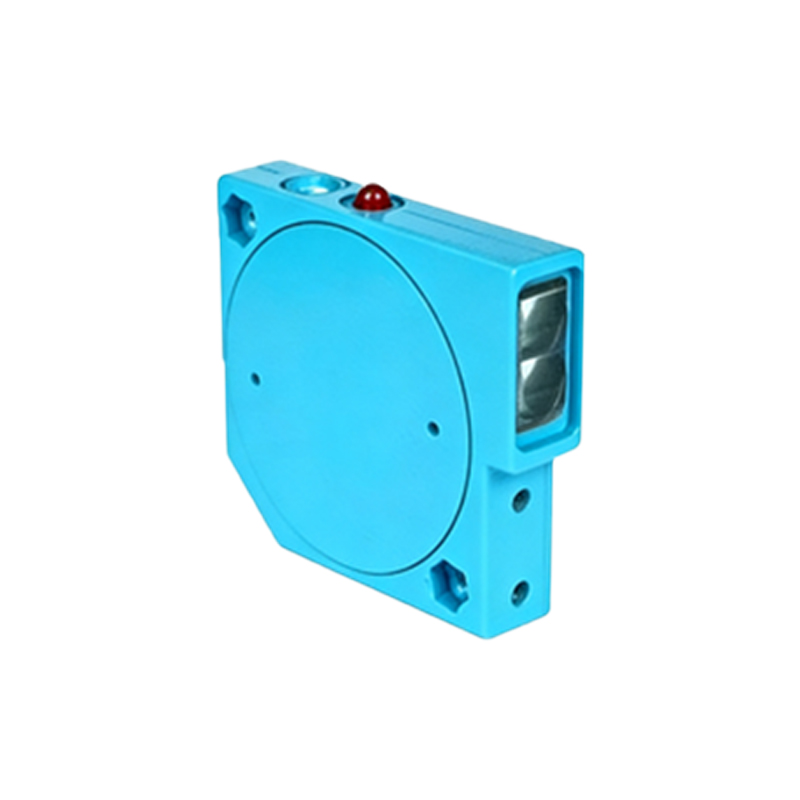
The primary challenge involved optimizing sensor response time for fast-moving conveyor systems while maintaining immunity to ambient light interference. The manufacturer contributed proprietary photodiode arrays with enhanced sensitivity, while the automation partner provided real-world testing data from a packaging plant. Through iterative prototyping, we developed a modulated infrared beam system that filters out background noise. This solution reduced false triggers by 40% compared to off-the-shelf alternatives, demonstrating the value of co-engineering in tackling nuanced industrial requirements.
Integration with IoT and Predictive Maintenance
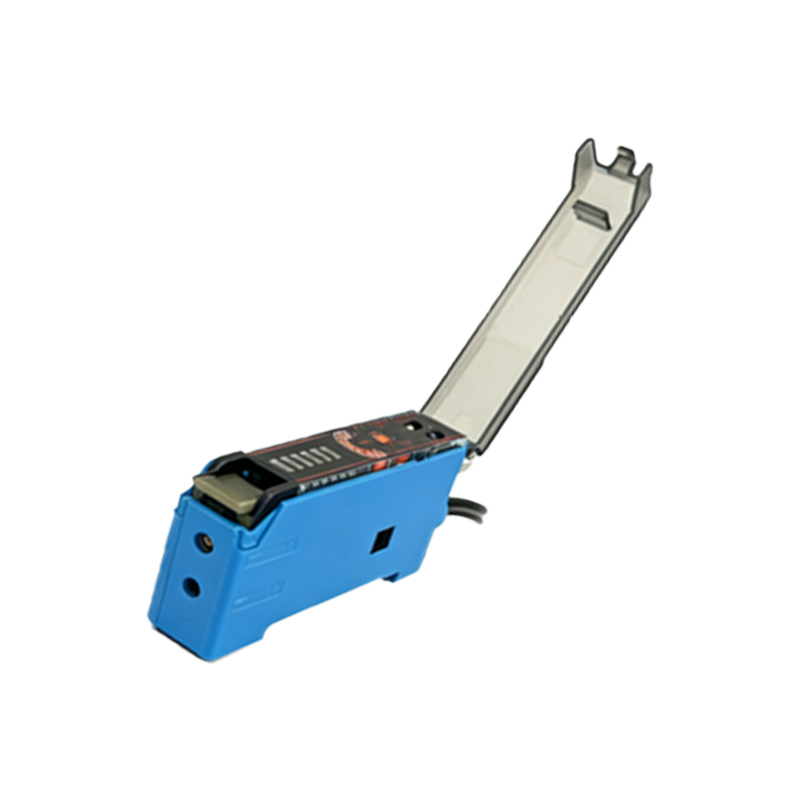
A key outcome of this collaboration is the integration of these sensors into an IoT framework for predictive maintenance. The sensors now transmit real-time status data—such as signal degradation or voltage drift—to a central monitoring platform. This allows operators to schedule replacements before failures occur, minimizing downtime. The automation firm designed the communication protocol using MQTT, ensuring compatibility with existing SCADA systems. This step aligns with industry 4.0 goals, converting passive detection into actionable intelligence.
Field Testing and Performance Metrics
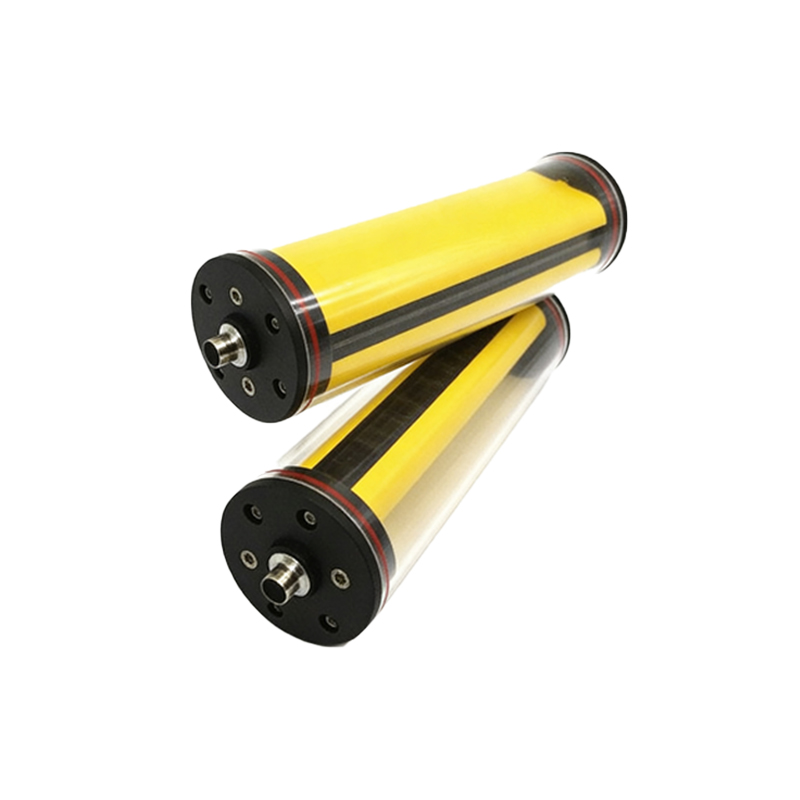
Field trials were conducted over six months in a Huazhou automotive parts factory. The sensors operated 24/7 under vibrations and temperature swings from -10°C to 55°C. Results showed a 99.2% detection rate for objects as small as 5 mm at a 2-meter range. Additionally, the mean time between failures (MTBF) exceeded 80,000 hours, surpassing the initial target by 15%. These metrics validated the design’s robustness and the effectiveness of the collaborative approach.
Future Roadmap and Scalability
Looking ahead, the team plans to miniaturize the sensor housing for use in robotic grippers and expand the detection range to 5 meters for warehouse logistics. A joint patent has been filed for the modulation technique, opening doors for licensing. The partnership model is now being replicated for other sensing modalities, such as laser triangulation and color detection. This scalability underscores how strategic cooperation can drive innovation in Huazhou’s sensor market, benefiting both suppliers and end-users.
Conclusion: A Model for Industry Synergy
This case study illustrates that when electrical engineers combine theoretical knowledge with practical application, the result is not just a better sensor but a framework for ongoing improvement. The Huazhou project serves as a benchmark for how localized partnerships can address global manufacturing challenges, emphasizing reliability and adaptability. As the industry evolves, such collaborations will be crucial in developing sensors that are not only precise but also intelligent and cost-effective.