In modern industrial automation and supply chain management, proximity switch sensors have become indispensable components. These non-contact sensing devices detect the presence or absence of objects within a specific range, triggering actions in machinery and control systems without physical touch. Their integration into supply and distribution frameworks—often referred to as the "supply and distribution" or procurement and logistics network—marks a significant leap toward efficiency, safety, and operational continuity.
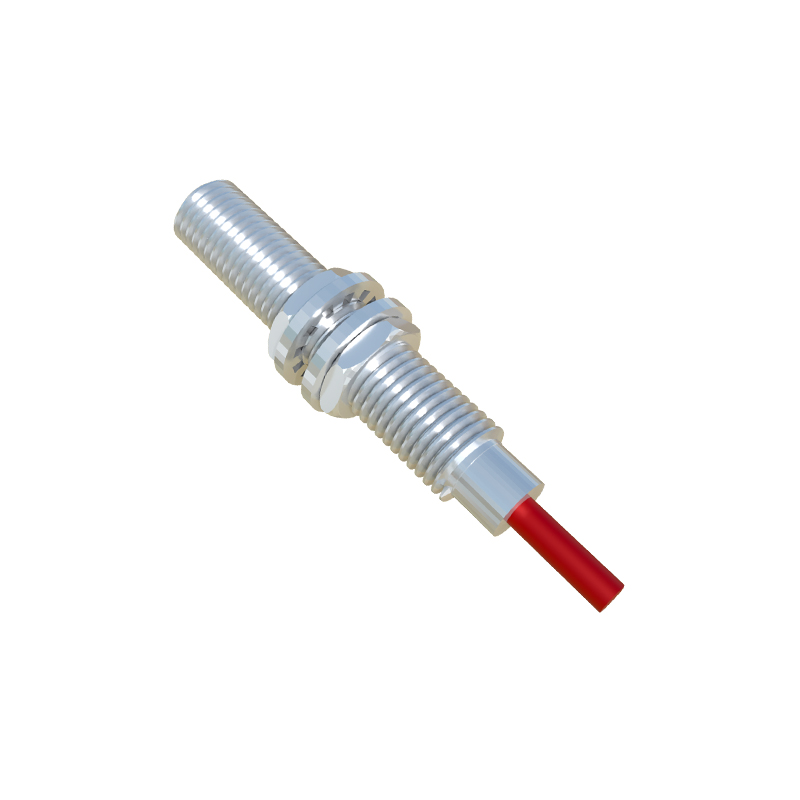
Unlike mechanical limit switches that require direct contact, proximity sensors operate on principles such as electromagnetic, capacitive, or inductive fields. Inductive sensors, for instance, are ideal for detecting metallic objects in harsh industrial environments, like conveyor belts in warehouses. Capacitive sensors can handle non-metallic materials, such as plastic containers or liquid levels in storage tanks. This versatility allows for seamless application across various stages of the supply chain, from manufacturing plants to distribution centers.
The core advantage of proximity sensors in supply and distribution lies in their reliability. By eliminating mechanical wear and tear, they reduce maintenance needs and downtime. In automated sorting systems, sensors ensure packages are correctly routed, minimizing errors and speeding up throughput. In inventory management, they monitor stock levels on shelves, providing real-time data to prevent shortages or overstocking. This real-time feedback is crucial for just-in-time delivery models, where precision timing is essential.
Safety is another critical benefit. In distribution warehouses with automated guided vehicles (AGVs) or robotic arms, proximity sensors act as safety guards, detecting human presence to prevent accidents. They enable machinery to operate at high speeds while maintaining safe distances, complying with industry regulations like OSHA standards. This not only protects workers but also reduces liability risks for companies.
Energy efficiency is often overlooked but significant. Proximity sensors consume less power compared to traditional mechanical switches, as they only activate when an object is detected. In large-scale distribution facilities with thousands of sensors, this translates to substantial cost savings and a smaller environmental footprint. Moreover, their fast response times—often in milliseconds—enhance the synchronization of automated processes, ensuring smooth material flow from suppliers to end-users.
The selection of proximity sensors for supply and distribution applications depends on factors like sensing range, environmental conditions, and target material. For example, in dusty or humid warehouses, sensors with high ingress protection (IP) ratings are necessary to withstand contaminants. In food distribution, sensors made from stainless steel or with hygienic designs prevent contamination. Understanding these nuances helps optimize sensor placement, whether for detecting pallets on loading docks or monitoring conveyor belt jams.
Integration with broader systems is key. Modern proximity sensors often feature connectivity options like IO-Link or Ethernet, allowing them to communicate with programmable logic controllers (PLCs) and supervisory control and data acquisition (SCADA) systems. This enables predictive maintenance, where sensor data can forecast potential failures before they occur, further boosting reliability in supply chains. As Industry 4.0 and the Internet of Things (IoT) evolve, smart sensors will play an even larger role in creating adaptive, self-optimizing distribution networks.
Challenges exist, such as electromagnetic interference in crowded industrial settings or the initial cost of deployment. However, the long-term benefits—including reduced operational costs, improved accuracy, and enhanced safety—often justify the investment. Regular calibration and training for maintenance staff ensure sensors perform optimally over time.
In summary, proximity switch sensors are vital enablers in modern supply and distribution systems. They bridge the gap between physical logistics and digital control, driving automation toward greater efficiency and resilience. As global supply chains face increasing demands for speed and transparency, these sensors will continue to be foundational tools, quietly ensuring that goods move smoothly from source to destination.