Introduction to Photoelectric Sensors in Modern Automation
Photoelectric sensors are critical components in industrial automation, offering non-contact detection of objects, materials, and positions. Their reliability, precision, and versatility make them indispensable in manufacturing lines, packaging, logistics, and safety systems. This sales strategy focuses on technical differentiation, application-specific solutions, and customer education to drive adoption in sectors like automotive, food and beverage, and semiconductor industries.
Understanding Customer Pain Points and Needs
Engineers and procurement managers commonly face challenges such as false triggering, sensor contamination in harsh environments, and limited sensing range. For example, in dusty or wet conditions, standard sensors fail. Target customers also need fast response times for high-speed production and compact designs for space-constrained machinery. Address these by emphasizing rugged housing (IP67/IP69K), immune to ambient light interference, and adjustable sensing distances.
Key Technical Differentiators for Sales
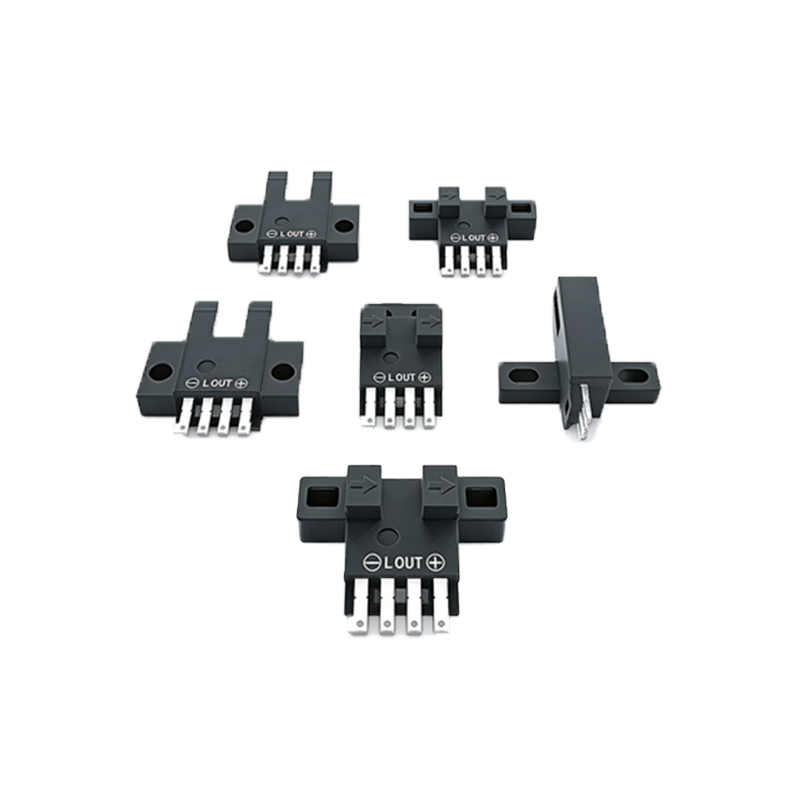
Highlight photoelectric sensor types: through-beam, retro-reflective, and diffuse. Through-beam offers longest range (up to 30m) and highest reliability. Retro-reflective uses reflectors for medium range (up to 10m) with easy alignment. Diffuse sensors are ideal for short-range detection (up to 1m) without reflectors. Emphasize features like background suppression, laser or LED light sources, and IO-Link connectivity for data-driven maintenance.
Target Industry Segments and Application Scenarios
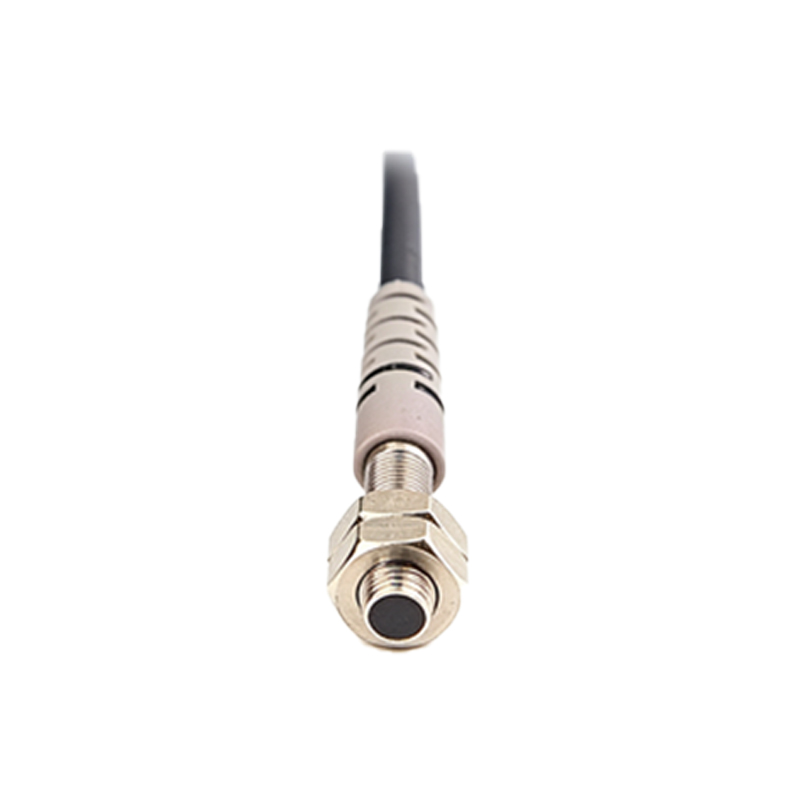
Automotive assembly: Detect car body panels, engine parts. Use rugged metal sensors with high immunity to welding sparks. Packaging: Detect transparent films, labels, or bottles. Use polarizing filters and small housing sensors. Logistics: Detect pallets on conveyors with long-range through-beam sensors. Food industry: Use stainless steel sensors with washdown resistance. Provide case studies showing 20% less downtime.
Pricing Strategy and Value Proposition
Position sensors as cost-saving tools, not just components. Calculate ROI: Reduced false triggers lead to fewer machine stops. Use tiered pricing: basic models for simple applications, premium for harsh environments or high-speed needs. Offer free on-site testing or demo units for large potential clients. Bundle with mounting brackets, cables, and software for complete solutions.
Sales Channel and Technical Support Model
Leverage direct sales for key accounts and distributor network for general market. Train distributors on sensor selection tools and troubleshooting guides. Provide 24/7 technical hotline and online configurator for quick specification. Create technical whitepapers and video tutorials showing installation tips. Follow-up with customers after 3 months to ensure satisfaction and upsell accessories.
Competitive Analysis and Positioning
Compare against competitors like SICK, Omron, and Banner. Emphasize faster delivery times (within 48 hours), longer warranty (5 years vs 2 years), and superior noise immunity. Use side-by-side test results in sales collateral. Target gaps in competitor’s product lines, such as ultra-compact sensors for collaborative robots.
Conclusion: Driving Long-Term Customer Relationships
Finalize sales process with a technical review of installation environment, provide detailed datasheets, and offer custom calibration services. Use customer testimonials from similar industries. Focus on building trust through reliability metrics and after-sales support. This approach ensures repeat business and referrals in the competitive industrial sensor market.