Introduction to In Vivo Photoelectric Sensors
In vivo photoelectric sensors are critical components in biomedical and electrical engineering, designed to detect light signals within living organisms. These sensors convert optical energy into electrical signals, enabling real-time monitoring of physiological parameters. Their high sensitivity and miniaturization make them ideal for implantable devices, such as glucose monitors and neural interfaces. As an electrical engineer, understanding their integration with circuits and power management is essential for reliable performance.
Key Operating Principles and Circuit Design
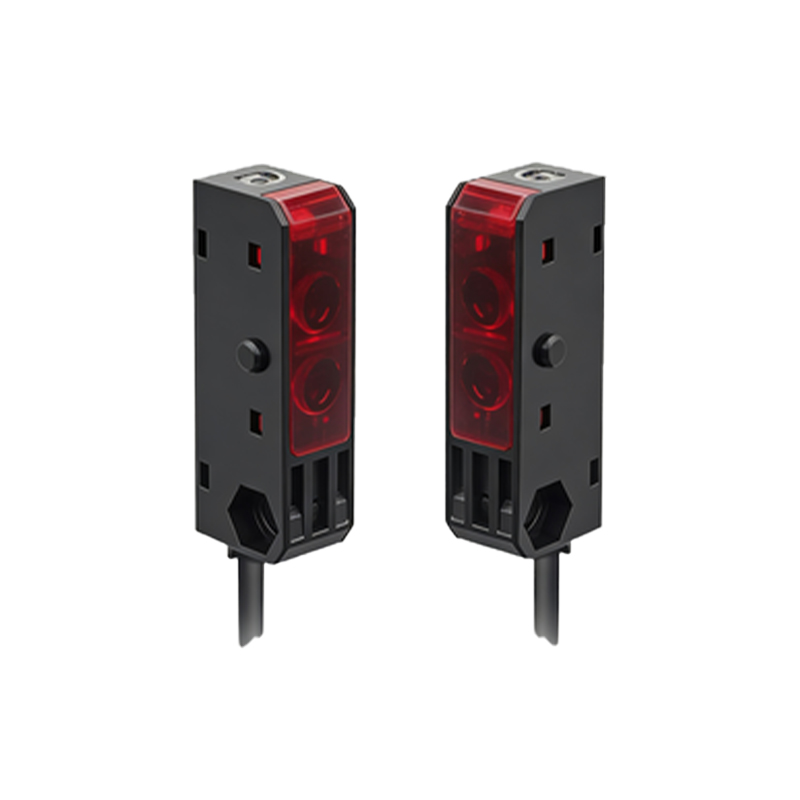
These sensors typically rely on photodiodes or phototransistors to capture light from biological tissues. The photocurrent generated is proportional to the light intensity, which is then amplified and filtered by custom analog circuits. Engineers must design low-noise amplifiers and analog-to-digital converters to ensure signal fidelity in noisy biological environments. Additionally, power consumption must be minimized to extend battery life in implantable applications, often utilizing duty-cycling techniques.
Applications in Continuous Glucose Monitoring
One of the most impactful uses is in continuous glucose monitoring (CGM) systems, where near-infrared light is transmitted through skin to measure glucose levels. The sensor detects changes in light absorption caused by glucose molecules. Electrical engineers focus on calibrating the sensor's output to compensate for tissue scattering and temperature variations. This application demands robust error-correction algorithms and wireless data transmission modules.
Neural Signal Detection and Brain-Computer Interfaces
In neural engineering, optogenetic probes integrate photoelectric sensors to detect light-induced neural activity. These sensors capture fluorescence from genetically modified neurons, converting it into electrical signals for analysis. The challenge lies in designing biocompatible encapsulation and high-speed data acquisition systems. Engineers often employ field-programmable gate arrays (FPGAs) to process multiple channels simultaneously, enabling real-time brain-computer interface feedback.
Challenges in Tissue Interference and Calibration
Biological tissues introduce significant optical scattering and absorption, which degrade sensor accuracy. Engineers must implement adaptive calibration algorithms, such as machine learning models, to correct for tissue heterogeneity. Additionally, long-term implantation requires hermetic sealing and anti-fouling coatings to prevent signal drift. Regular re-calibration via external reference signals is a standard practice in clinical systems.
Future Trends and Emerging Technologies
The next generation of in vivo photoelectric sensors is moving toward flexible, organic materials that conform to tissue surfaces. These devices will integrate energy harvesting from body heat or motion, eliminating the need for batteries. Advances in photonic integrated circuits will also enable multiplexed sensing of multiple biomarkers simultaneously. For electrical engineers, mastering these interdisciplinary technologies is key to driving innovation in personalized healthcare.