Introduction to U-Slot 4-Wire Photoelectric Sensors
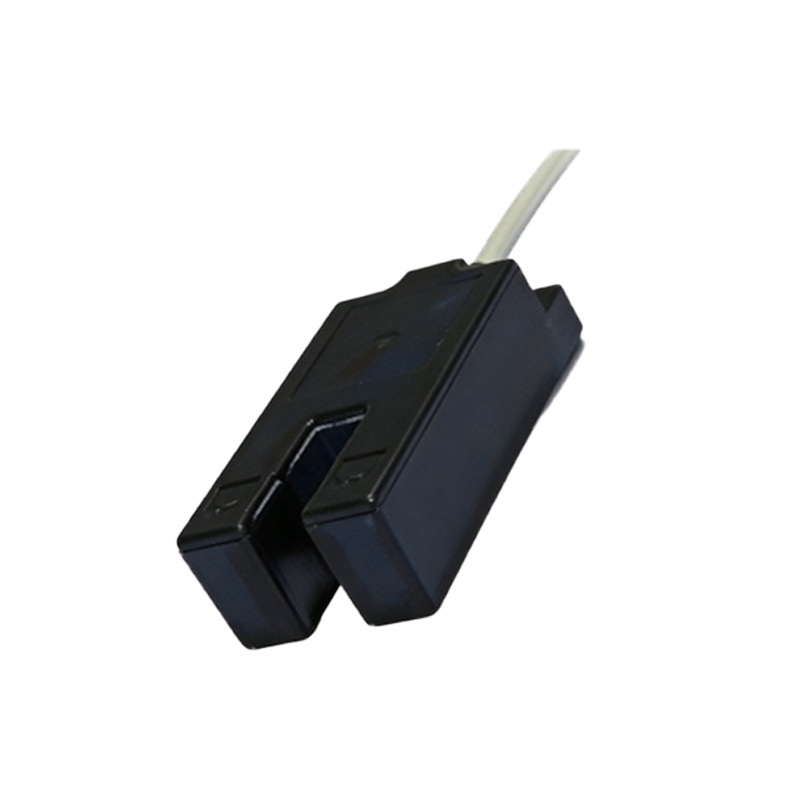
As an experienced electrical engineer in the automation field, I have seen firsthand how critical precise sensing is for manufacturing processes. The U-slot 4-wire photoelectric sensor is a specialized device designed for high-accuracy detection in tight spaces. Unlike traditional through-beam sensors, the U-slot design integrates the emitter and receiver into a single housing with a U-shaped opening. The 4-wire configuration typically includes two wires for power (VCC and GND) and two wires for output (NO and NC), providing flexibility for both normally open and normally closed logic in control systems. This makes them ideal for applications like position verification, object counting, and end-of-travel detection in automated machinery.
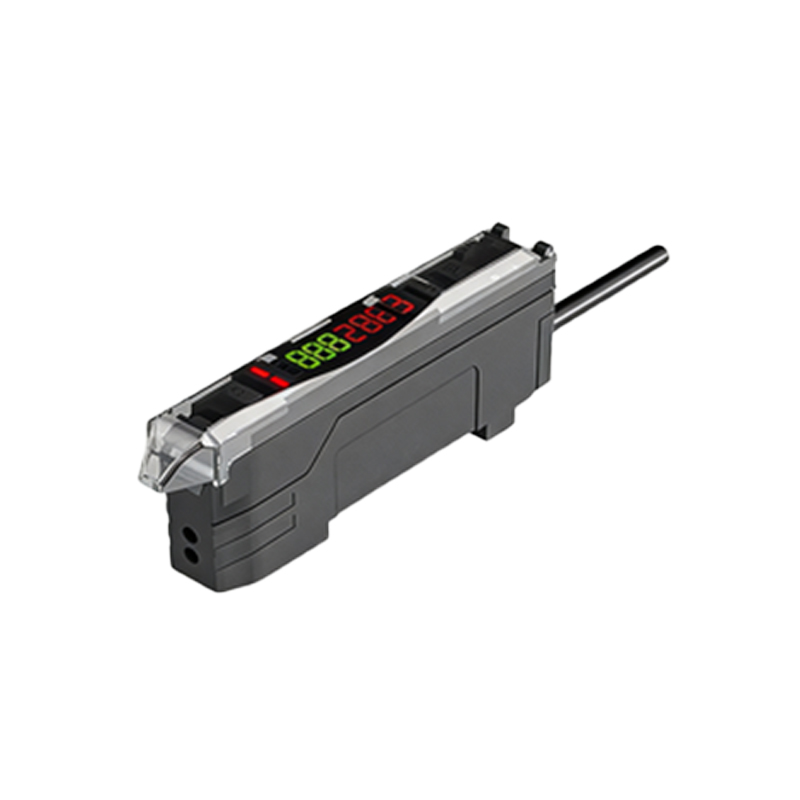
Working Principle and Technical Specifications
The sensor operates on an optical principle where an infrared or visible light beam is emitted from one side of the U-slot and received by a photodetector on the opposite side. When an object passes through the slot, it interrupts the beam, triggering a change in the output signal. Key technical specifications to consider include slot width (typically from 5mm to 30mm), response time (often under 1ms), and sensing distance (matching the slot gap). The 4-wire configuration allows for dual output capabilities, which is particularly useful in safety circuits or where both detection and confirmation signals are needed. I always recommend checking the ambient light immunity and the IP rating (e.g., IP67 for harsh environments) when selecting a sensor for a specific application.
Advantages Over Traditional Sensor Types
In my daily work, I prefer U-slot 4-wire sensors over standard 2-wire or 3-wire models for several reasons. First, the integrated design eliminates alignment issues common with separate emitter-receiver pairs. Second, the 4-wire output provides both sinking and sourcing capabilities, simplifying integration with PLCs and relays. Third, the U-slot geometry allows for reliable detection of small, transparent, or reflective objects that might confuse diffuse sensors. For instance, in a packaging line, a U-slot sensor can accurately detect clear plastic bottles without false triggers. Additionally, the compact footprint saves valuable space on conveyor belts and robotic arms.
Common Applications in Industrial Environments
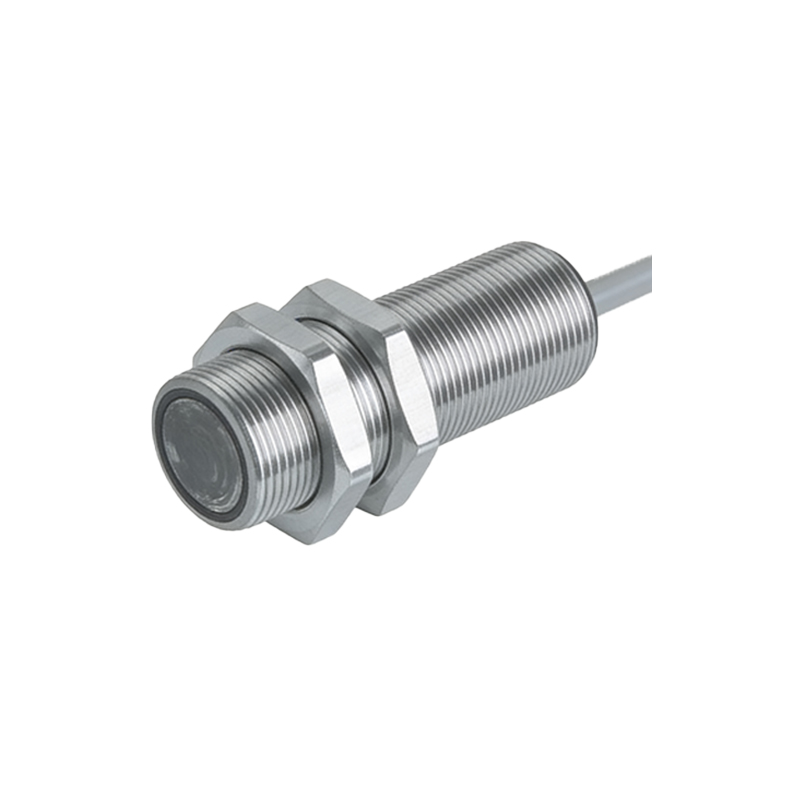
I have deployed these sensors in numerous settings: part presence detection in assembly stations, label verification in printing presses, and door position monitoring in automated guided vehicles. In a recent project at a semiconductor facility, we used U-slot 4-wire sensors to verify the alignment of wafer carriers. The high repeatability (less than 0.01mm) ensured zero defects. Another typical use is in elevator doors, where the sensor detects obstacles between the doors. The 4-wire output allows both a safety interlock and a status indicator to the control system simultaneously.
Installation and Wiring Best Practices
Proper installation is key to long-term reliability. Always mount the sensor with the slot aligned perpendicular to the object’s path. Use shielded twisted-pair cables for the 4-wire connections to minimize electrical noise, especially in inverter-driven environments. I recommend connecting the normally open (NO) output to the PLC input and the normally closed (NC) output to a safety relay for fail-safe operation. Power supply should be within 10-30 VDC, with proper overcurrent protection. Also, ensure the sensor’s sensing surface is kept clean using compressed air or a soft cloth, as dust accumulation can degrade performance.
Troubleshooting and Maintenance Tips
From experience, the most common issue is false triggering due to reflective surfaces or vibration. To solve this, adjust the sensitivity pot (if available) or use a sensor with a narrower beam angle. Another frequent problem is cable breakage at the bending point; use strain relief fittings and flexible conduit. When the output remains continuously on or off, check the 4-wire connections for shorts or opens. I suggest a routine where you test the sensor with a standard test piece monthly. For critical applications, consider redundant sensors with a voting logic in the PLC.
Future Trends and Conclusion
The evolution of U-slot 4-wire sensors now includes IO-Link communication, enabling predictive maintenance and remote diagnostics. As a professional, I see these sensors becoming even more compact with higher switching frequencies (up to 10 kHz) for high-speed packaging lines. In conclusion, the U-slot 4-wire photoelectric sensor is a robust, flexible solution for precise detection in industrial automation. By understanding its principles and following installation best practices, you can significantly enhance machine reliability and productivity.