Introduction to White-Layer Photoelectric Sensors
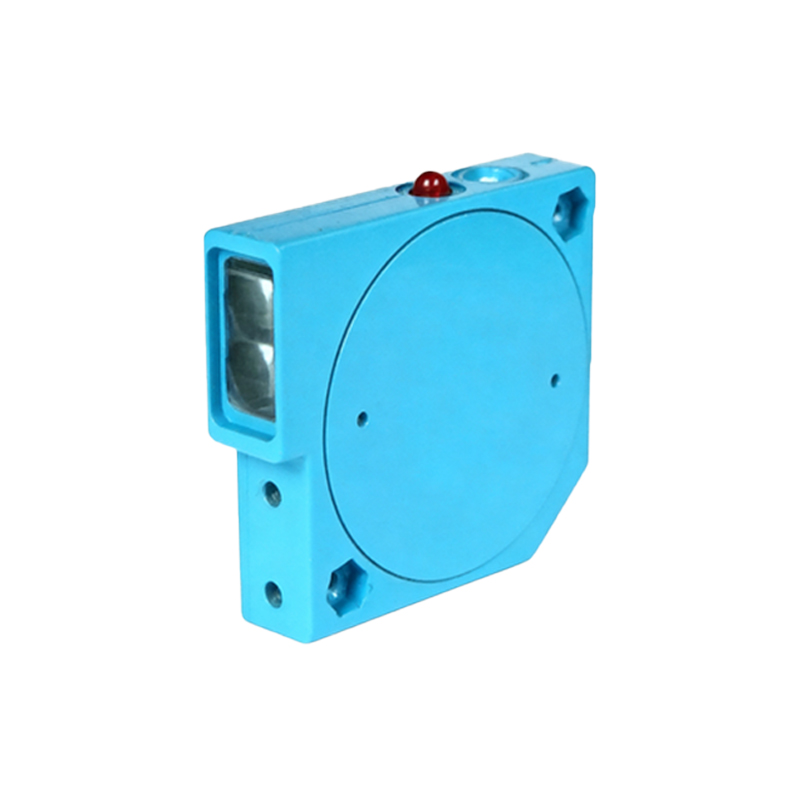
White-layer photoelectric sensors, also known as background suppression sensors, are critical components in modern industrial automation systems. Unlike standard photoelectric sensors that rely on simple light reflection, these sensors utilize a unique optical design to detect objects regardless of their color, reflectivity, or surface finish. They emit a focused beam of light, typically from an LED, and analyze the reflected light to determine the presence or absence of an object within a predefined sensing range. This technology ensures reliable detection even in challenging environments where target objects vary in brightness or contrast.
Core Principle: Triangulation-Based Detection
The fundamental working principle of a white-layer photoelectric sensor is based on the triangulation method. The sensor consists of a light emitter, typically a laser or an infrared LED, and a dual-element photodetector. When the emitted light strikes an object, it reflects back to the sensor. The angle of the reflected light depends on the distance between the sensor and the object. The photodetector is positioned in such a way that the reflected light from objects within the specified sensing range hits a specific area of the detector. If the object is too close or too far, the reflected light falls outside this area, triggering a switch in the output signal. This triangulation mechanism allows the sensor to discriminate between the target object and the background, effectively ignoring the background even if it is highly reflective.
Role of the White Light LED
The term white-layer refers to the use of a white light LED as the emitter. Unlike monochromatic LEDs (e.g., red or infrared), white light contains a broad spectrum of wavelengths. This characteristic is crucial for detecting objects of different colors with consistent accuracy. For example, a black object absorbs most wavelengths of light, while a white object reflects them. A standard red light sensor may struggle with black targets because of low reflectivity. However, a white light LED emits multiple wavelengths, ensuring that even dark or colored objects reflect enough light for reliable detection. This makes white-layer sensors ideal for applications involving mixed-color products, such as packaging lines or sorting systems.
Signal Processing and Output Logic
Once the reflected light is captured by the dual-element photodetector, the sensor’s internal electronics process the signal. The sensor compares the position of the reflected light spot on the detector against a pre-configured threshold. If the spot falls within the active zone (the sensing range), the output switches to a high state (or low, depending on configuration). If the spot moves outside this zone due to a background object or no object, the output switches to the opposite state. Advanced sensors also include a sensitivity adjustment mechanism, often a potentiometer or digital interface, allowing engineers to fine-tune the detection range for specific applications. This processing ensures fast response times, typically in the microsecond range, making them suitable for high-speed automation lines.
Advantages Over Standard Photoelectric Sensors
Compared to standard through-beam or retro-reflective sensors, white-layer photoelectric sensors offer several key advantages. They are immune to background interference, meaning they can detect objects in close proximity to reflective surfaces like metal or glass. They also eliminate the need for separate reflectors or precise alignment, simplifying installation. Additionally, their ability to handle varying object colors and textures reduces false triggers and maintenance requirements. In industries such as food processing, pharmaceuticals, and electronics manufacturing, these sensors enhance operational efficiency by providing consistent detection without recalibration.
Practical Applications in Industry
In real-world industrial settings, white-layer photoelectric sensors are deployed in various tasks. For instance, in a bottling plant, they detect clear or colored bottles on a conveyor belt regardless of label reflectivity. In automated warehouse systems, they verify the presence of boxes on pallets without being confused by shiny floors. They are also used in robotics for end-effector positioning, where precise distance measurement is critical. Their robust design, often IP67-rated, allows operation in dusty or wet conditions. When selecting a sensor, engineers must consider factors like sensing range (typically 10-500 mm), response time, and ambient light immunity.
Conclusion and Best Practices
White-layer photoelectric sensors represent a mature yet evolving technology in industrial automation. Understanding their triangulation-based principle and white light emission helps engineers optimize system designs. For reliable performance, ensure proper mounting to avoid angular misalignment and regularly clean the lens to prevent dust accumulation. When troubleshooting unexpected triggers, check for reflective backgrounds or changes in ambient lighting. By leveraging the unique capabilities of these sensors, automation systems achieve higher accuracy and reduced downtime.