Introduction to Bridge-Type Photoelectric Sensors
Bridge-type photoelectric sensors are essential components in modern industrial automation, designed to detect objects, measure distances, and monitor presence without physical contact. These sensors operate by emitting a light beam, typically infrared or visible, and analyzing the reflected or interrupted signal. Unlike standard photoelectric sensors, the bridge configuration enhances accuracy by using a differential measurement principle, compensating for environmental variations such as dust, vibration, or ambient light. This makes them ideal for high-precision applications in manufacturing, packaging, and material handling systems.
Working Principle and Design
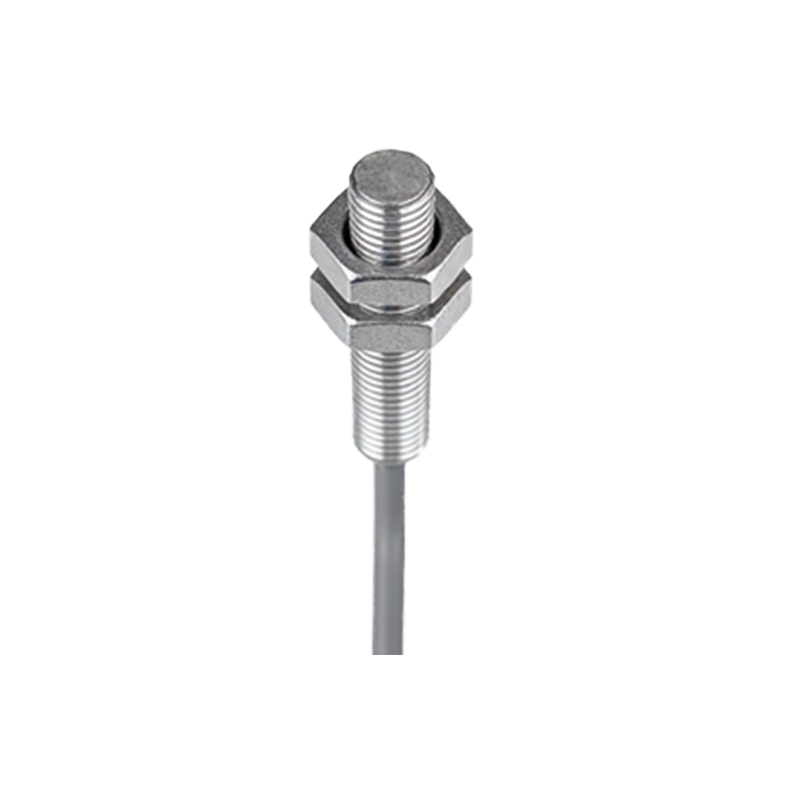
The core of a bridge-type photoelectric sensor involves a light source, a receiver, and a comparison circuit arranged in a bridge-like network. The emitter sends two light paths: one directed at the target and the other as a reference. The receiver measures the intensity of both, and the microcontroller compares the signals to determine target characteristics. This differential method reduces errors from power fluctuations or component aging. For example, in a through-beam configuration, the target breaks the main beam, while the reference beam maintains stability. Sensors often include adjustable sensitivity and output types like NPN, PNP, analog, or IO-Link for seamless integration with PLCs.
Key Applications in Industry
Bridge-type photoelectric sensors excel in environments requiring reliable detection under challenging conditions. In automotive assembly lines, they verify part presence and alignment with sub-millimeter precision. In food and beverage packaging, they detect transparent or shiny objects, such as glass bottles or plastic films, where standard sensors fail. They are also used in logistics for conveyor belt monitoring, ensuring smooth item flow. Their robustness against electrical noise and temperature drift makes them suitable for steel mills and chemical plants. Additionally, these sensors support predictive maintenance by providing real-time feedback on system performance.
Installation and Calibration Best Practices
Proper installation is critical for optimal sensor performance. Mount the sensor on a stable surface, ensuring the emitter and receiver are aligned within a tolerance of 1-2 degrees. Use shielded cables to minimize electromagnetic interference, especially in high-power environments. Calibration involves setting the threshold level based on the target's reflectivity and background. For bridge-type sensors, perform a zero-point adjustment under no-target conditions to balance the reference and measurement paths. Regular cleaning of optical surfaces with lint-free cloths and alcohol prevents signal degradation. Document calibration parameters for repeatable setups.
Advantages Over Standard Photoelectric Sensors
Compared to conventional photoelectric sensors, bridge-type variants offer superior accuracy and stability. Standard sensors may drift due to temperature changes or dust accumulation, while the differential design cancels these effects. They also handle multi-target detection with higher resolution, reducing false triggers. Another advantage is extended sensing range—up to 50 meters for through-beam modes—without sacrificing precision. Maintenance costs are lower because the self-calibrating feature extends the sensor's lifespan. For engineers, this translates to fewer downtime events and improved production yield.
Emerging Trends and Future Developments
The evolution of bridge-type photoelectric sensors is driven by Industry 4.0 demands. New models integrate IoT connectivity, allowing data transmission to cloud platforms for analytics. Smart sensors now support adaptive algorithms that automatically adjust to changing conditions, such as varying target colors or surface finishes. Miniaturization is another trend, enabling placement in tight spaces like robotic grippers. Furthermore, multi-spectral light sources improve detection of low-contrast objects. As automation advances, these sensors will play a pivotal role in achieving zero-defect manufacturing and autonomous logistics.