Introduction to Slot-Type Photoelectric Sensors
Slot-type photoelectric sensors, also known as fork sensors or U-shaped sensors, are essential components in modern industrial automation systems. These sensors feature a built-in emitter and receiver within a single housing, creating a reliable detection zone for objects passing through the slot. Their design eliminates the need for separate mounting brackets and complex alignment procedures, making them ideal for high-speed counting, position detection, and edge sensing in conveyor systems, packaging lines, and assembly machinery. Adherence to international standards ensures operational safety, interoperability, and performance consistency across different manufacturers.
Key International Standards Governing Slot-Type Sensors
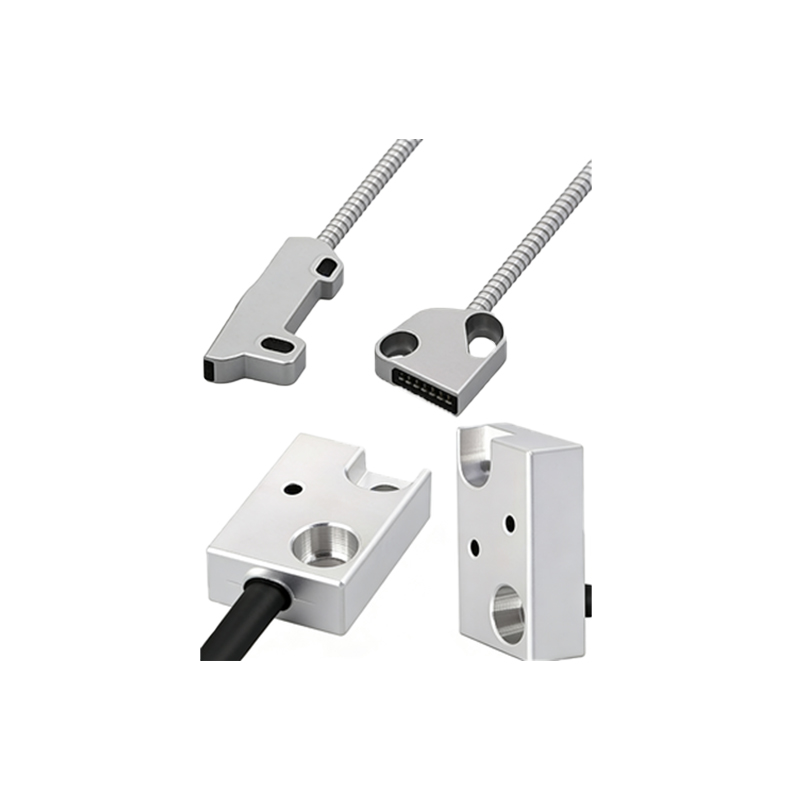
The primary standard governing slot-type photoelectric sensors is IEC 60947-5-2, published by the International Electrotechnical Commission. This standard specifies requirements for proximity sensors, including photoelectric types, used in industrial control circuits. It covers aspects such as rated operational voltage (typically 10-30 VDC), output types (NPN/PNP, NO/NC), and response time (often below 1 ms). Additionally, ISO 13849-1 and IEC 62061 address functional safety requirements for sensors integrated into safety-related control systems. For specific application environments, such as food processing or chemical plants, IP67 or IP69K ingress protection ratings are mandated to resist dust and high-pressure washdown.
Performance Parameters Defined by the Standards
According to IEC 60947-5-2, slot-type sensors must meet defined performance parameters under specified test conditions. Key metrics include sensing distance (e.g., 30 mm for standard slots), hysteresis (typically 10-15% of sensing distance), and repeatability accuracy (within 0.01 mm). The standard also prescribes operating temperature ranges, usually -25°C to +55°C, and protection against electrical transients. For optical characteristics, the standard requires consistent detection of opaque objects with defined minimum dimensions, ensuring reliable operation even with translucent materials. Furthermore, the standard mandates immunity to ambient light interference up to 20,000 lux.
Electrical and Mechanical Design Requirements
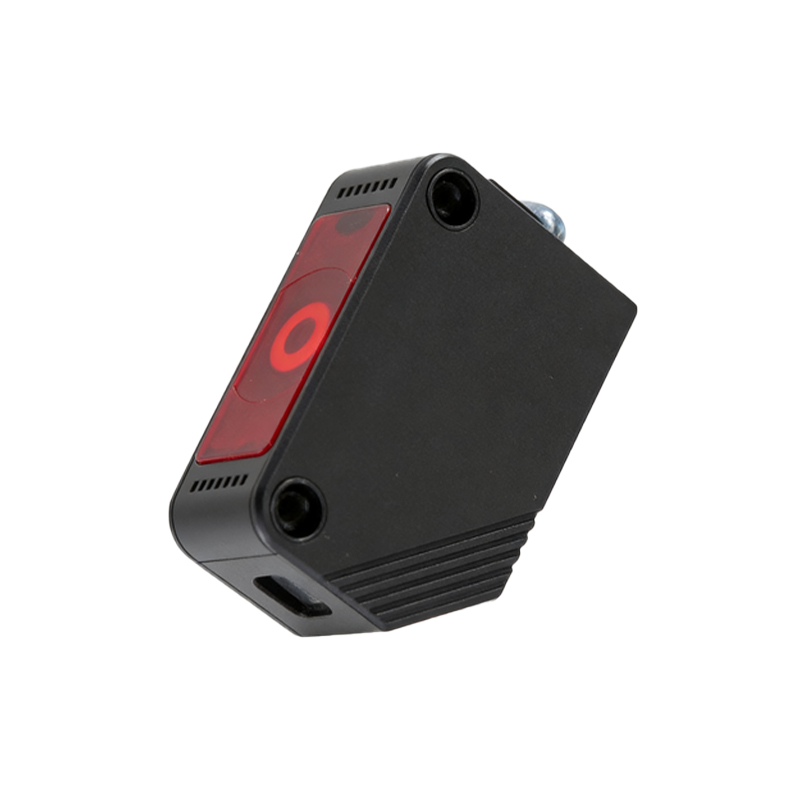
The standards specify strict electrical and mechanical design criteria. Electrical requirements include reverse polarity protection, short-circuit protection, and load capacitance tolerance. Output circuits must comply with EN 61131-2 for compatibility with PLC inputs. Mechanically, the slot width and depth dimensions are standardized at common sizes such as 5 mm, 10 mm, and 30 mm to fit standard mounting rails. Material specifications often require housings made of PBT or ABS plastics with UV stabilization, while sensing windows must be scratch-resistant. The standard also mandates minimum creepage and clearance distances for insulation coordination.
Environmental and EMC Compliance
To ensure reliable operation in harsh industrial environments, slot-type sensors must comply with IEC 60068-2 for environmental testing, including vibration (2 g at 10-500 Hz) and shock resistance (30 g). For electromagnetic compatibility (EMC), sensors must meet IEC 61000-4-2 for electrostatic discharge, IEC 61000-4-3 for radiated RF fields, and IEC 61000-4-4 for electrical fast transients. These tests guarantee that sensors function correctly in the presence of motors, inverters, and welding equipment. The standard also requires immunity to conducted disturbances per IEC 61000-4-6.
Marking, Certification, and Documentation
Compliant slot-type sensors must carry clear markings indicating the standard reference (IEC 60947-5-2), rated voltage, output type, and IP rating. CE marking is mandatory for European markets, while UL and CSA certifications are required for North America. Documentation must include installation instructions, wiring diagrams, and detailed specifications for sensing range, response time, and ambient conditions. The standard also mandates that manufacturers provide technical data sheets specifying the sensor's performance under worst-case conditions, such as maximum ambient light and temperature extremes.
Conclusion and Application Recommendations
Adherence to IEC 60947-5-2 and related standards is critical for ensuring the reliability and safety of slot-type photoelectric sensors in industrial applications. Engineers should verify that sensors meet these standards when selecting components for high-speed sorting, label detection, or conveyor gate control. For safety-critical applications, additional certification to SIL2 or SIL3 per IEC 62061 is recommended. Regular calibration and periodic testing according to the manufacturer's guidelines will maintain sensor performance over extended service life, reducing downtime and improving overall equipment effectiveness.